
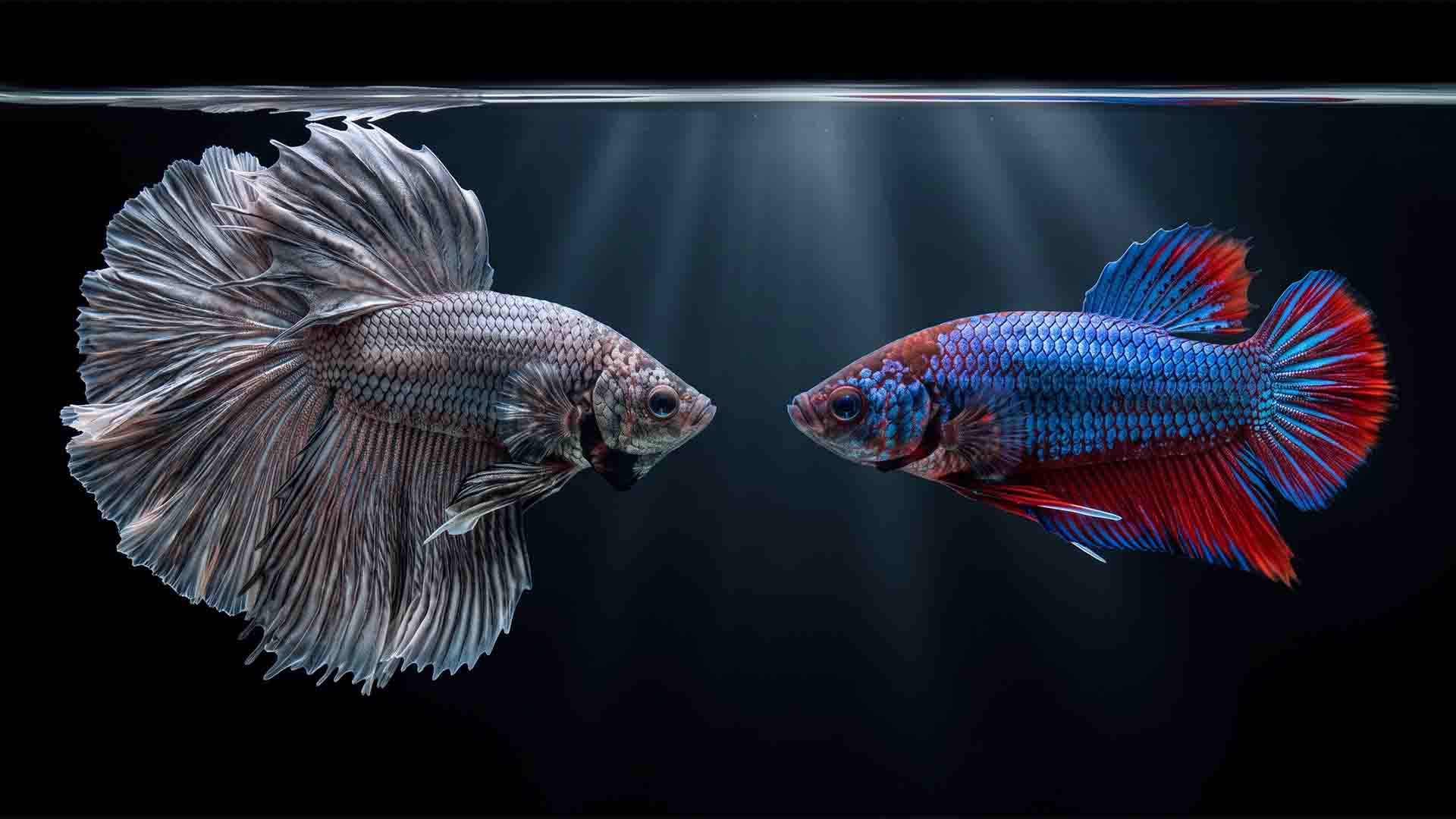
Most freshwater community tanks do not collapse from poor maintenance—they fail because stores sell overrated freshwater fish engineered with severe genetic liabilities and hidden pathogens. When you walk through the aisles of a commercial pet store, bright display lights showcase species bred for extreme visual gimmicks: trailing oversized fins, deformed spine arches, and artificially inflated colors. Beginners buy these fish under the promise that they are hardy “starter pets,” only to watch them waste away in clean, fully cycled water within 30 to 60 days. This is not user error; it is a systemic biological failure engineered before you ever swiped your card.
In this guide, we break down the retail traps, hydrodynamic bottlenecks, and untreatable viral infections behind the six most overrated aquarium fish in the hobby. More importantly, we provide indestructible, biologically sound community swaps that deliver breathtaking color and natural vigor without turning your glass box into an exhausting hospital ward.
The Retail Genetic Trap: Why Clean Water Still Kills Popular Fish
The most dangerous illusion in modern fishkeeping is the belief that zero ammonia, zero nitrite, and low nitrates guarantee fish survival. Standard liquid test kits measure dissolved inorganic chemistry; they cannot detect genetic inbreeding depression, viral pathogenicity, or chronic hydrodynamic exhaustion. Commercial aquaculture facilities produce millions of ornamental fish in massive, heavily treated outdoor raceways where water is turned over continuously and dosed with prophylactic antibiotics. By the time these fish reach retail holding sumps, industrial ultraviolet (UV) sterilizers artificially suppress free-floating pathogens, creating a temporary bubble of health.
The moment you bag that fish and introduce it to a home aquarium, the artificial life-support system vanishes. A home aquarium is a living microbial ecosystem containing naturally occurring opportunistic bacteria like Flavobacterium columnare and ambient water fungi. Wild-type fish with intact immune barriers handle these microorganisms effortlessly. However, hyper-mutated fish with compromised genetics, compressed visceral cavities, or dragging fin weight suffer rapid immune collapse under the slightest osmotic transition. You did not fail the nitrogen cycle—you were handed an anatomical ticking time bomb.
The 6 Most Overrated Freshwater Fish (And Their Biological Flaws)
#6 Longfin Betta Care Traps ➔ Plakat Betta Swaps
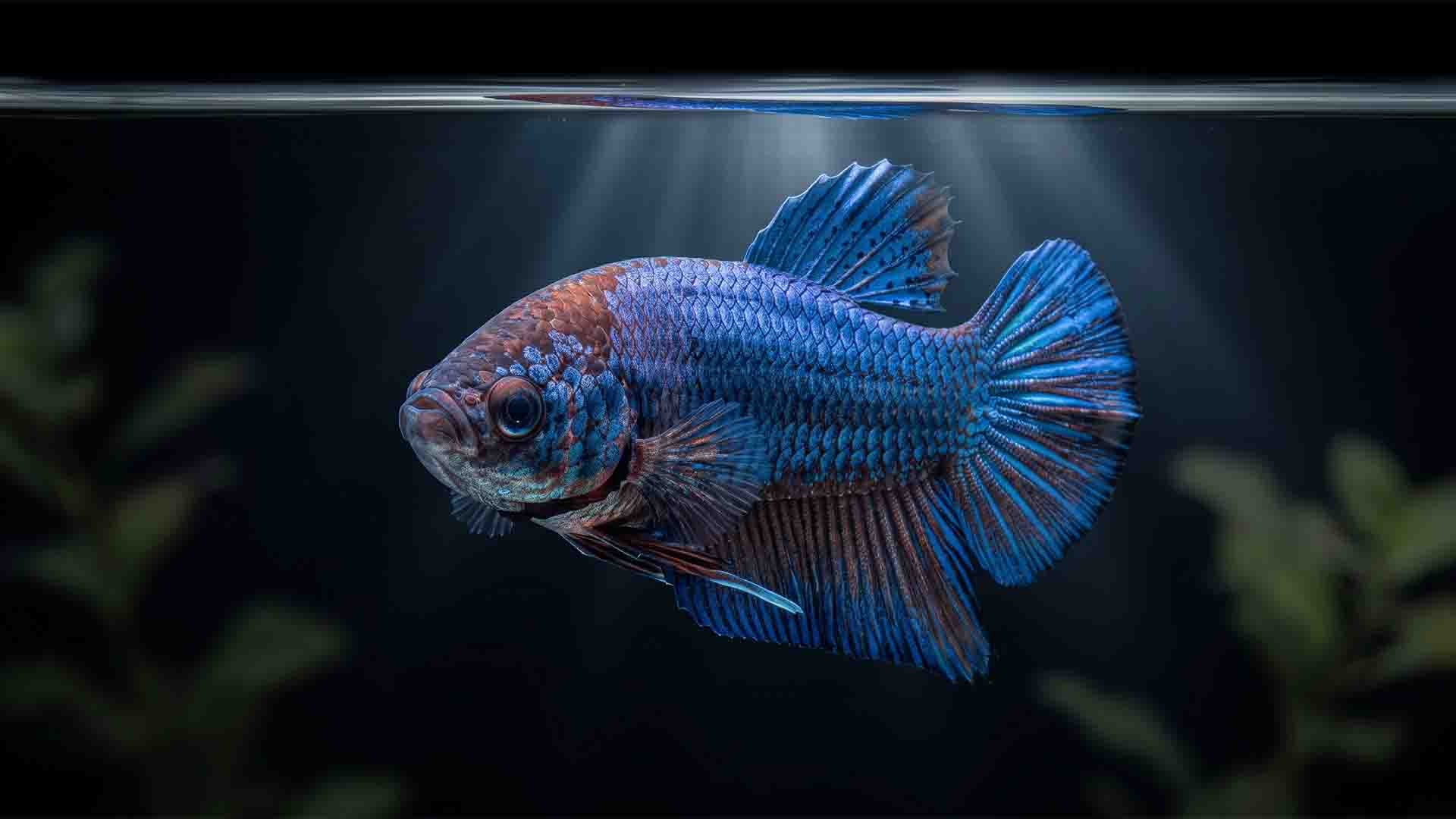
The longfin Betta (Betta splendens)—including Halfmoons, Rosetails, and Superdeltas—is marketed as the quintessential low-maintenance centerpiece for nano tanks. In reality, breeding a fish to carry four times its natural fin surface area creates an inescapable hydrodynamic nightmare. In fluid dynamics, water creates drag proportional to surface area and swimming velocity ($F_d = \frac{1}{2} \rho v^2 C_d A$). A wild Betta possesses short, compact fins designed to cut through dense vegetation with minimal resistance. A Rosetail Betta, by contrast, must haul massive, folded sheets of epithelial tissue through standard filter currents.
This excess drag forces the axial musculature to work in a state of permanent exertion. Within weeks, the fish’s metabolic energy is entirely consumed by the physical struggle to reach the surface for atmospheric oxygen via its labyrinth organ. The resulting lactic acid buildup leads to chronic physical fatigue, spinal curvature, and behavioral depression. Out of sheer survival desperation, exhausted longfin Bettas frequently turn around and chew off their own caudal fins—a self-mutilation behavior known as “tail-biting”—simply to reduce hydrodynamic drag. Those ragged fin margins are not fin rot; they are physical bite wounds that quickly become infected with ambient bacteria.
The FTM Safe Swap: The Plakat Betta. Plakats retain the wild-type, short-finned body geometry of ancestral Betta splendens. They navigate standard filter currents with razor-sharp agility, expend almost zero metabolic energy resting or surface-breathing, and possess active predatory hunting behaviors that bring continuous life to a planted nano setup.
#5 Balloon Molly Spine Deformity ➔ Standard Platies & Rams
The Balloon Molly is manufactured through selective breeding for severe skeletal lordosis and scoliosis—an intentional shortening and twisting of the vertebral column to produce a rounded, golf-ball-shaped body. While retail stores market this spherical shape as “cute,” the internal biological cost is catastrophic. Compressing a standard four-inch livebearer frame into a two-inch sphere reduces visceral cavity volume by more than 50% without reducing the physical volume of internal organs.
Inside the Balloon Molly, the gastrointestinal tract, liver, and dual-chambered swim bladder are crushed against each other in permanent anatomical conflict. When the fish consumes commercial dry flakes or dense micro-pellets, the food absorbs water and expands inside the foregut. This hydro-expansion instantly compresses the adjacent swim bladder, pinching the pneumatic duct and preventing proper gas regulation. The fish loses horizontal trim, bobs helplessly at the surface, or flips upside down in chronic distress. Furthermore, female Balloon Mollies frequently suffer fatal internal hemorrhaging or egg-binding during gestation because there is insufficient physical space for developing embryos.
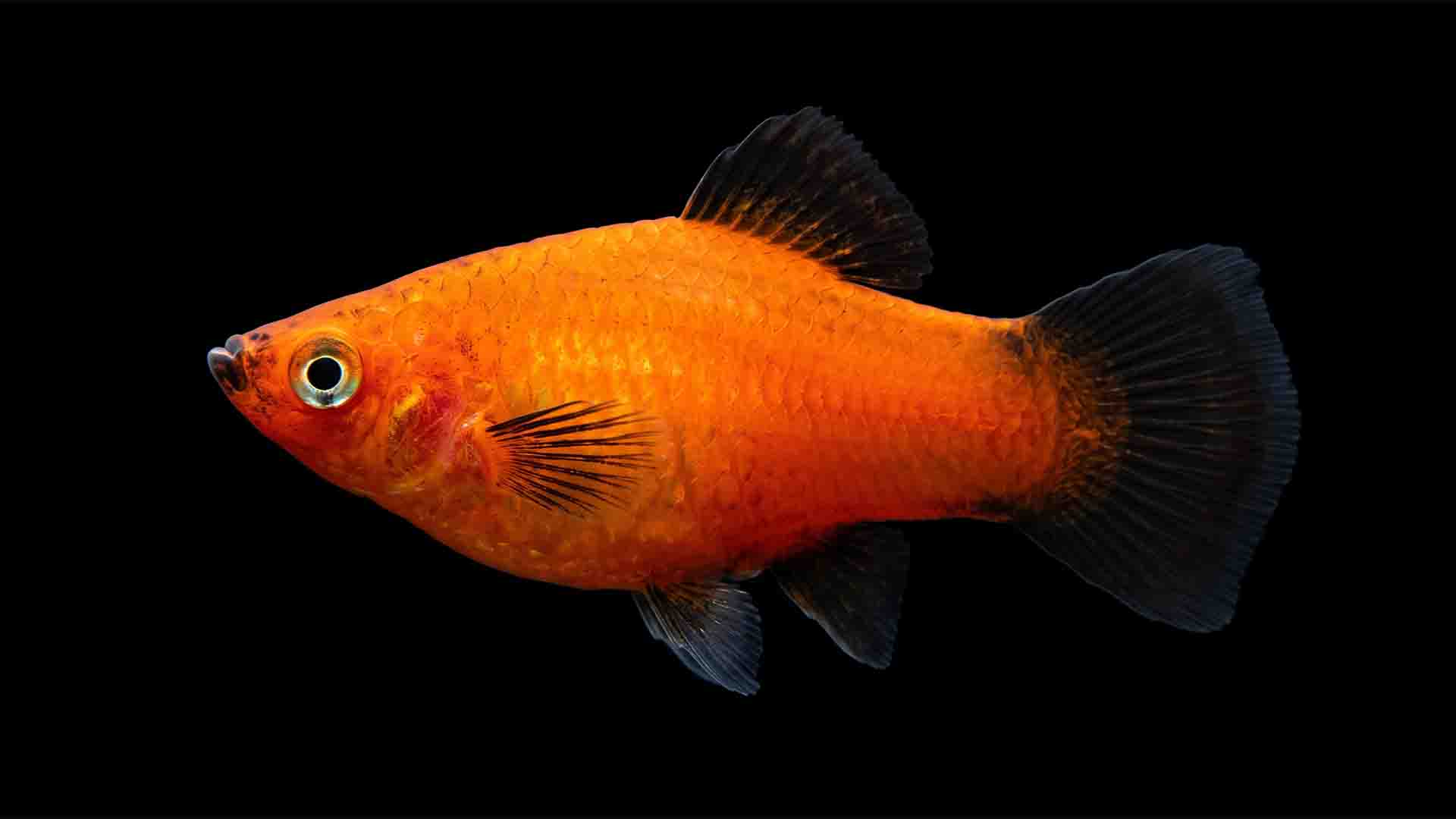
The FTM Safe Swap: Standard Platies (Xiphophorus maculatus) or Bolivian Rams (Mikrogeophagus altispinosus). Standard Platies deliver the same radiant red, orange, and metallic coloration with a straight, uncompromised spine and healthy organ spacing. If you want a peaceful, intelligent dwarf centerpiece that glides effortlessly along the bottom and mid-layers, the Bolivian Ram provides dwarf cichlid personality with zero anatomical compression.
#4 Mass-Bred Fancy Guppies Dying in Clean Water ➔ Endlers & Harlequins
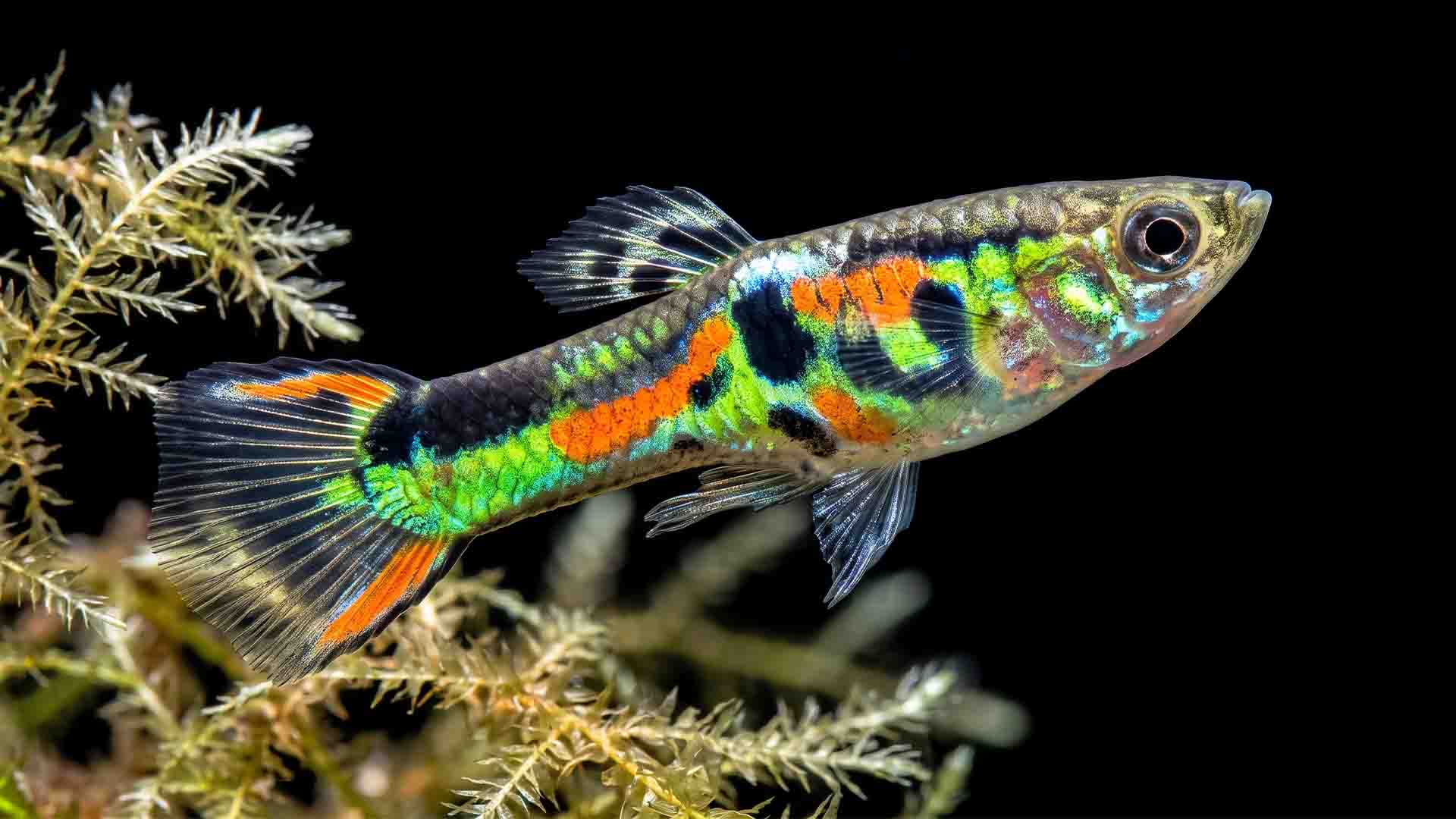
Forty years ago, the common guppy (Poecilia reticulata) was virtually indestructible. Today, commercial mass-production lines have turned fancy guppies into fragile genetic glass. To lock in extreme color morphs (like Albino Full Reds or Dumbo Mosaics) and massive delta tails, commercial breeding farms rely on relentless sibling-to-sibling line-breeding. This intensive inbreeding causes severe genetic bottlenecking, purging genetic diversity and destroying the Major Histocompatibility Complex (MHC) responsible for immune recognition.
Furthermore, these fish are raised in brackish outdoor ponds heavily fortified with salts and prophylactic treatments. When imported and dropped into standard municipal freshwater aquariums, their exhausted osmoregulatory systems collapse. The fish cannot regulate internal cellular salinity, their mucosal slime coat thins out, and naturally occurring water-borne bacteria like Columnaris consume their caudal peduncles within 72 hours. You can maintain zero ammonia, pristine temperature, and heavy aeration, but without genetic immune architecture, a line-bred fancy guppy melts away regardless.
The FTM Safe Swap: Endler Hybrid Livebearers (Poecilia wingei x reticulata) or Harlequin Rasboras (Trigonostigma heteromorpha). Endler hybrids introduce wild genetic vigor (heterosis), restoring the biological armor stripped away by commercial farming. They ignore filter turbulence, resist common bacterial shifts, and dart actively through planted layouts. For peaceful mid-water schooling, Harlequin Rasboras form tight, synchronized schools that downshift peacefully into any established home aquarium.
#3 Powder Blue & Neon Dwarf Gourami Traps ➔ Pearl & Honey Gouramis
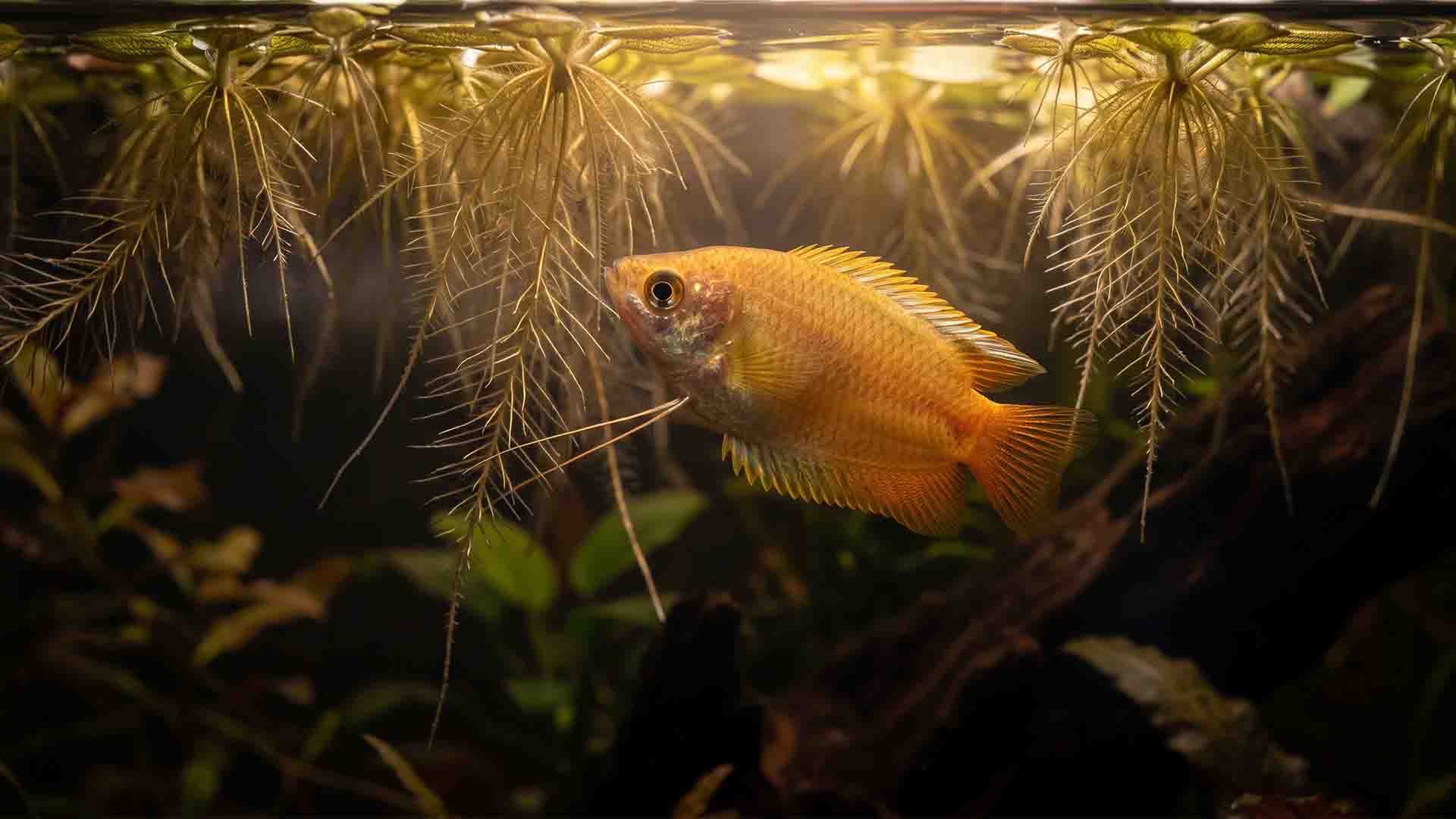
The Powder Blue and Neon Dwarf Gourami (Trichogaster lalius) are among the most frequently purchased centerpiece fish in chain pet stores. Unfortunately, commercial stocks carry one of the most devastating biological curses in modern aquaculture: Dwarf Gourami Iridovirus (DGIV), also classified as a species of Megalocytivirus. Scientific testing reveals that over 20% to 30% of commercially exported Dwarf Gouramis from Southeast Asian breeding facilities carry latent or active DGIV infections.
DGIV is a DNA virus that targets spleen, kidney, and liver tissues, causing cellular necrosis and systemic organ failure. It is 100% untreatable, highly contagious among Trichogaster lalius, and completely resistant to standard aquarium medications, salt baths, or antibiotics. A newly purchased Dwarf Gourami will appear vibrant for three weeks; then, without warning, it develops abdominal dropsy, pale body lesions, loss of balance, and wastes away. Beyond viral susceptibility, male Dwarf Gouramis harbor hyper-territorial surface dominance, relentlessly attacking other labyrinth fish and schooling species that enter the top third of the water column.
The FTM Safe Swap: Honey Gouramis (Trichogaster chuna) or Pearl Gouramis (Trichopodus leerii). Honey Gouramis are a completely distinct biological species that is genetically immune to DGIV. They possess a peaceful, inquisitive disposition, weave gently through live stem plants, and exhibit zero surface bullying. For larger setups (30 gallons and up), the Pearl Gourami offers unmatched grace, intricate pearlescent patterning, and absolute community stability.
#2 Kissing Gourami Slime Coat Aggression ➔ Honey Gourami
The Kissing Gourami (Helostoma temminckii) is sold on retail shelves as a charming, novelty fish due to its habit of locking protruding, fleshy lips with tankmates. Pet store employees regularly market this behavior as playful or romantic. In fish ethology, however, lip-locking is an aggressive dominance ritual designed to establish territorial hierarchy and exhaust rival specimens.
Even worse is the structural anatomy of the Kissing Gourami’s mouth. In nature, Helostoma temminckii uses its specialized, toothed lips to scrape algae, detritus, and periphyton off submerged logs. In a home community tank, as these fish mature past their three-inch juvenile stage, their nutritional instinct shifts. They realize that broad-bodied, slow-moving tankmates—such as Angelfish, Discus, and Fancy Goldfish—are coated in a thick, nutrient-dense epidermal mucus barrier. The Kissing Gourami begins stalking these fish, physically latching onto their flanks and rasping away their protective slime coat. Stripped of their primary immune shield, the victimized fish develop raw open ulcers, systemic fungal infections, and sudden mortality.
The FTM Safe Swap: Sunset Honey Gourami (Trichogaster chuna). You achieve the warm pastel coloration and unique labyrinth exploration behavior without the predatory rasping mouthparts or massive 12-inch adult growth potential of the Kissing Gourami.
#1 Bala Shark Tank Size Myth & Jumping Hazards ➔ White Cloud Mountain Minnows
The Bala Shark (Balantiocheilos melanopterus) is the ultimate victim of the “juvenile masking” phenomenon. Sold at two inches long with gleaming silver scales, sleek torpedo geometry, and striking black-edged fins, beginners routinely buy three of them for standard 20 or 29-gallon setups believing they have acquired a peaceful “mini shark.”
The biological reality is that Bala Sharks are pelagic, open-water river cyprinids native to major river basins in Southeast Asia that grow to 14 inches (35 cm) in length and must be kept in schools of five or more. More critically, their swimming mechanics rely on high-velocity bursts. In a standard four-foot glass box, a startled adult Bala Shark can reach full swimming velocity in less than 0.2 seconds, running out of linear swimming “runway” almost instantly. Lacking the physical braking distance of deep-bodied fish, they smash their snouts directly into glass panels at high speed, causing fatal cranial trauma, dislocated jaws, and broken spinal columns. When panicked by sudden room lights, they launch themselves violently upward, smashing through standard glass lids or leaping through tiny equipment gaps onto the floor.
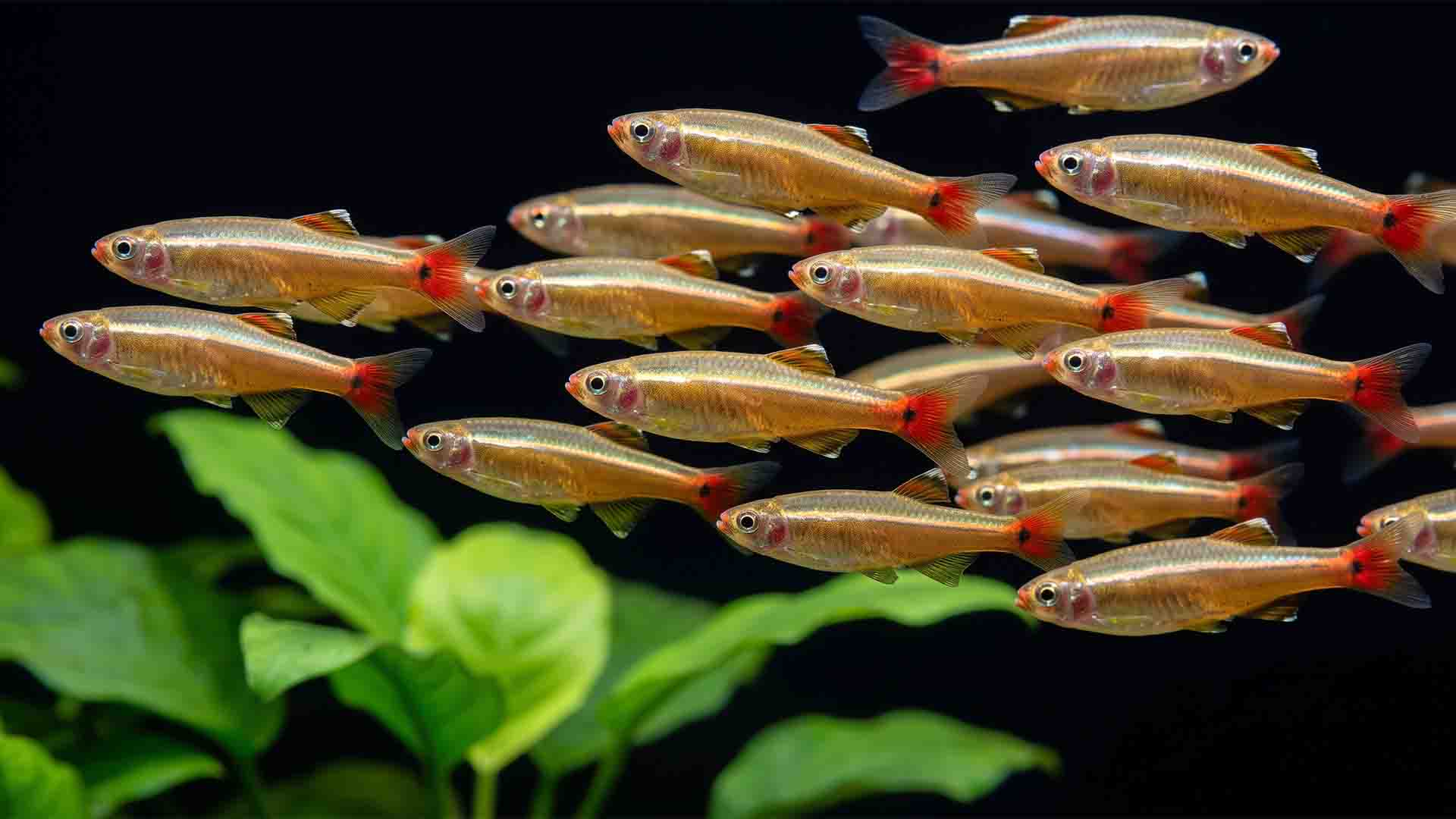
The FTM Safe Swap: White Cloud Mountain Minnows (Tanichthys albonubes). If you crave active, torpedo-shaped schooling fish with striking metallic silver, gold, and vibrant red fin highlights, White Clouds deliver pure perfection. They are coldwater champions that thrive without an aquarium heater, stay at a manageable 1.5 inches, school tightly in groups of 8 to 12, and possess zero skittish panic reflexes.
Watch the complete breakdown above from the FishTank Mastery channel to see real-world swimming kinematics, internal organ compressions, and behavioral aggression triggers demonstrated across living community setups.
Data-Driven Comparison: Fragile Mutations vs. Indestructible Swaps
When evaluating ornamental freshwater species, relying on pet store marketing tags like “hardy” or “beginner-friendly” is a guaranteed path to system instability. To make informed stocking decisions, you must evaluate a species through structural biomechanics, metabolic efficiency, and captive disease resistance. The matrix below breaks down the precise biological bottlenecks of the six most overrated fish alongside their biologically stable FishTank Mastery (FTM) alternatives.
| Overrated Species | Biological Bottleneck / Genetic Flaw | Primary Failure Mechanism | FTM Safe Swap | Long-Term System Advantage |
|---|---|---|---|---|
| Longfin Betta (Betta splendens) | Extreme fin surface area; excessive hydrodynamic drag coefficient ($C_d$). | Lactic acid exhaustion, surface suffocation, self-induced tail-biting lesions. | Plakat Betta | Wild-type agility, effortless labyrinth breathing, natural predator vigor. |
| Balloon Molly (Poecilia sphenops var.) | Severe skeletal lordosis; >50% visceral cavity space compression. | Digestive compaction against swim bladder; fatal swim bladder disorders. | Standard Platy / Bolivian Ram | Straight vertebral alignment, uninhibited digestive transit, stable neutral buoyancy. |
| Mass-Bred Fancy Guppy (Poecilia reticulata) | Severe inbreeding depression; collapsed Major Histocompatibility Complex (MHC). | Osmotic shock in freshwater; zero immunity to ambient Columnaris strains. | Endler Hybrid / Harlequin Rasbora | Hybrid vigor (heterosis), intact mucosal immune barrier, multi-year lifespan. |
| Dwarf Gourami (Trichogaster lalius) | Latent Megalocytivirus infection; untreatable Dwarf Gourami Iridovirus (DGIV). | Systemic organ necrosis, sudden dropsy, hyper-aggressive surface dominance. | Honey Gourami / Pearl Gourami | 100% DGIV genetic immunity, peaceful social schooling, zero surface bullying. |
| Kissing Gourami (Helostoma temminckii) | Denticulated, rasping lip morphology; 12-inch adult biomass growth. | Epidermal slime coat predation on broad-bodied community tankmates. | Sunset Honey Gourami | Gentle omnivorous grazing, compact 2-inch adult footprint, zero slime predation. |
| Bala Shark (Balantiocheilos melanopterus) | Pelagic sprint kinematics; high-velocity burst swimming without braking capacity. | Cranial glass-collision trauma, jumping escapes, open-water panic cycles. | White Cloud Mountain Minnow | Heater-free coldwater resilience, tight synchronized shoaling, zero panic reflex. |
The 90-Day Delayed Genetic Collapse Timeline
The reason beginners consistently blame themselves for fish mortalities is the delayed feedback loop of commercial aquaculture. Retail holding systems brute-force fish survival through continuous chemical treatments, industrial salt additions, and commercial UV sterilization. The breakdown occurs in distinct chronological stages as these artificial safety nets wear off inside a natural home ecosystem.
| Timeline Phase | Visual Appearance | Internal Biological Reality | System Diagnostic Warning |
|---|---|---|---|
| Day 1 to Day 3 (The False Stability) | Active swimming, vibrant retail colors, aggressive feeding on flakes. | Adrenaline surge masking transition shock; commercial UV sterilizer protection abruptly removed. | Do not confuse flight-or-fight surface activity with true ecological adaptation. |
| Day 7 to Day 14 (The Osmotic Drain) | Slight fin clamping, lingering near the heater or filter intake, mild color fading. | Depleted glycogen reserves; kidney stress from osmoregulatory collapse in unmedicated freshwater. | Water tests read zero ammonia/nitrite, yet baseline cortisol levels are spiking. |
| Day 21 to Day 45 (Pathogen Emergence) | Torn fin margins, swollen abdomen, tail-biting, sluggish surface swimming. | Latent DGIV virus replicating in spleen/kidney; dry food hydro-expansion crushing swim bladder. | Beginner dumps broad-spectrum antibiotics into tank, further crashing filter biology. |
| Day 60 to Day 90 (Systemic Collapse) | Dropsy, pineconing scales, total loss of equilibrium, sudden mortality. | Irreversible visceral organ failure and secondary bacterial sepsis through eroded mucosal barriers. | The genetic time bomb finishes its sequence. The aquarist assumes they “did something wrong.” |
What to Avoid: 4 Retail Habits That Destroy Community Tanks
If you want to maintain a thriving, zero-medication community aquarium, you must eliminate the common retail-driven maintenance habits that accelerate genetic collapse.
- Habit 1: Feeding Dry, Un-Soaked Commercial Flakes and Pellets. Standard commercial dry foods contain high concentrations of starch and grain binders. When ingested dry, these foods absorb water inside the fish’s stomach, expanding up to 300% in volume within ten minutes. In anatomically compressed fish like Balloon Mollies or deep-bodied fancy species, this hydro-expansion places direct mechanical pressure on the swim bladder pneumatic duct, triggering acute swim bladder disorder and intestinal impaction. Always pre-soak dry foods in aquarium water for two minutes or transition to high-moisture frozen foods.
- Habit 2: Blasting High-Output Flow to “Clear Dead Spots.” Beginners frequently install oversized wavemakers or run high-flow power filters under the false belief that heavy current equals clean water. For longfin Bettas and fancy livebearers, excessive water velocity forces continuous axial muscle strain, elevating lactic acid production and driving fish to chew off their own caudal fins to reduce drag. High current must be baffled using sponge pre-filters or spray bars directed against the back glass.
- Habit 3: Introducing Pet Store Bag Water into the Display Tank. Retail holding systems are centralized networks sharing hundreds of gallons of recycled water. While commercial UV sterilizers suppress free-swimming parasites in the sump, the transport bag water is heavily concentrated with ammonia, concentrated stress hormones, and shed viral particles (such as DGIV). Pouring this water into your home aquarium introduces latent pathogens directly into your pristine ecosystem. Always net the fish out of the transport container and discard retail water down the drain.
- Habit 4: Trusting Liquid Test Strips Over Fish Kinematics. A liquid test kit reading 0 ppm ammonia, 0 ppm nitrite, and 10 ppm nitrate only confirms that your autotrophic biofilter is functioning. It does not measure dissolved organic carbon (DOC), bacterial pathotypes, or osmotic stress. When a fish clamps its dorsal fin, lists horizontally, or hides behind equipment, it is reporting environmental or genetic distress long before chemical parameters register a spike. Never ignore behavioral warnings simply because your test tube turned yellow.
Do This Instead: The FTM Biological Landing & Biosecurity Protocol
To break the cycle of delayed mortality and build an indestructible community aquarium, execute the following four-step biosecurity framework whenever selecting and landing new livestock.
Step 1: Prioritize Wild-Type Body Morphology Over Cosmetic Gimmicks
When selecting fish at retail or local breeders, inspect the lateral profile of the spine and the fin-to-body surface area ratio. Choose species that exhibit ancestral hydrodynamic geometry: straight vertebral columns, short muscular fin rays, and torpedo-shaped profiles. Swapping a fragile Longfin Rosetail Betta for an alert Plakat Betta, or replacing deformed Balloon Mollies with standard Red Wag Platies, instantly eliminates 90% of captive swim bladder and exhaustion failures before the fish ever leaves the store.
Step 2: Execute the 30-Day “Dark Landing” Quarantine Protocol
Never drop newly purchased fish directly into an established community display. House new arrivals in a bare-bottom, mature 10-gallon quarantine tank with low ambient lighting and dense floating plants (such as Ceratophyllum demersum or Amazon Frogbit). Keep water flow gentle using an air-driven sponge filter. Maintaining total darkness for the first 24 hours suppresses cortisol production and allows osmoregulatory kidney functions to stabilize without competition from resident display fish.
Step 3: Reset Dietary Momentum with High-Moisture, Gut-Clearing Nutrition
Commercial holding systems subject fish to erratic feeding schedules and nutrient-poor dry fillers. During the first two weeks of quarantine, rebuild gastrointestinal integrity by feeding moisture-rich foods: live or frozen baby brine shrimp (Artemia), frozen bloodworms, and frozen Daphnia. Daphnia acts as a natural aquatic roughage, gently clearing out intestinal blockages and re-establishing natural gut peristalsis without causing swim bladder compaction.
Step 4: Establish Distinct Hydrodynamic Swimming Zones
Design your display aquarium with deliberate visual breaks and flow refuges. Use tall background driftwood, dense stands of Vallisneria, and surface floating plants to break uninterrupted lines of sight. This allows peaceful species like Honey Gouramis and Harlequin Rasboras to establish calm territorial zones while preventing active schooling fish from turning the open water column into an inescapable stress arena.
Scientific Truths: Hydrodynamics, Viral Pathogenicity & Skeletal Lordosis
To successfully troubleshoot unexplained aquarium mortalities, hobbyists must look past basic chemical test tubes and understand the biomechanical, virological, and genetic mechanisms governing captive teleost health. The chronic failure of commercial ornamental varieties is rooted in verifiable biological trade-offs that have been extensively documented across ichthyological and veterinary research.
1. Hydrodynamic Drag and Metabolic Oxygen Debt in Extreme Fin Phenotypes. In fluid mechanics, the drag force exerted on a submerged body is governed by the drag equation:
$$\ F_d = \frac{1}{2} \rho v^2 C_d A \$$
where $\rho$ represents water density, $v$ is velocity, $C_d$ is the drag coefficient, and $A$ is frontal surface area. Wild Betta splendens possess compact, streamlined fins with a minimal drag coefficient, allowing rapid acceleration bursts with negligible metabolic output. Conversely, longfin and rosetail variants carry excessive epithelial tissue mass that exponentially increases surface friction and parasitic drag. Comparative swimming trials published in the Journal of Experimental Biology demonstrate that sustained swimming against even low laminar currents forces longfin specimens to operate in continuous anaerobic glycolysis. This chronic exertion leads to severe lactic acid accumulation, sustained cortisol elevation, and eventual self-mutilation (caudal fin biting) as a desperate behavioral adaptation to reduce axial drag.
2. Megalocytivirus Pathogenicity and Incurable DGIV Transmission in Anabantoids. Dwarf Gourami Iridovirus (DGIV) is a double-stranded DNA virus belonging to the genus Megalocytivirus (family Iridoviridae). Epidemiological research documented across Aquaculture reveals that intensive commercial propagation systems in Southeast Asia maintain systemic endemic infection rates between 20% and 35% in exported Trichogaster lalius. The virus exhibits tissue tropism for the renal glomeruli, splenic parenchyma, and vascular endothelium, inducing widespread hypertrophied basophilic inclusion bodies and systemic organ necrosis. Because Megalocytivirus replicates intracellularly within the reticuloendothelial system, chemical baths, antibiotics, and osmotic dips are 100% ineffective. The disease remains clinically silent until secondary transport or water changes trigger immune collapse.
3. Skeletal Lordosis and Visceral Cavity Compression in Morphological Mutations. The spherical morphology of the Balloon Molly is not an innocent aesthetic variation; it is severe pathological lordosis—an acute dorsoventral curvature of the vertebral column. Ichthyological anatomical studies published via Environmental Biology of Fishes reveal that shortening the axial skeleton reduces the coelomic cavity volume by 45% to 60%. As a consequence, the cranial and caudal chambers of the physoclistous swim bladder are compressed directly against the anterior intestines and hepatopancreas. When fed dry commercial feeds containing hydrophilic starches, post-prandial expansion of the digestive tract physically obstructs the pneumatic capillary plexus (oval window), destroying the fish’s ability to reabsorb gases and triggering fatal, irreversible swim bladder ataxia.
4. Inbreeding Depression and Loss of Major Histocompatibility Complex (MHC) Diversity. Decades of commercial line-breeding for extreme coloration morphs (e.g., Delta Fancy Guppies) rely on strict brother-sister matings. Genetic evaluations in the Journal of Heredity confirm that continuous inbreeding drastically reduces allelic polymorphism within the Major Histocompatibility Complex (MHC) Class I and II genes. Because MHC molecules are essential for antigen recognition and adaptive immune activation, mass-bred fancy guppies exhibit severe immunodeficiency. Ambient opportunistic bacterial strains such as Flavobacterium columnare and Aeromonas hydrophila—which are easily neutralized by wild-type livebearers—rapidly overwhelm inbred strains, causing widespread systemic mortality in pristine water chemistry.
People Also Ask (Google Search Intent)
Why do my fancy guppies keep dying even when water tests read perfect?
Mass-bred commercial fancy guppies suffer from severe inbreeding depression and collapsed immune diversity (MHC alleles). Additionally, they are raised in brackish, medicated holding farms. When placed into unmedicated home freshwater, their exhausted osmoregulatory systems fail, allowing ubiquitous ambient bacteria like Columnaris to cause fatal infections despite zero ammonia and nitrite readings.
Can you cure Dwarf Gourami Iridovirus (DGIV)?
No. Dwarf Gourami Iridovirus (DGIV) is an incurable intracellular DNA virus belonging to the Megalocytivirus genus. It induces irreversible organ necrosis in the spleen and kidneys. No antibiotic, antiparasitic, or salt treatment can eliminate the virus. Prevention requires bypassing Trichogaster lalius in favor of DGIV-immune alternatives like Honey Gouramis (Trichogaster chuna).
Why is my longfin betta biting and chewing its own tail?
Longfin bettas chew their own caudal fins to relieve severe hydrodynamic drag. Massive fins force the fish to expend excessive metabolic energy just to reach the surface to breathe air. When muscle exhaustion and lactic acid build up, the betta engages in caudal autotomy (tail-biting) to reduce drag and restore swimming efficiency.
Are Balloon Mollies in pain or experiencing health problems?
Yes. Balloon Mollies suffer from selectively bred spinal lordosis and scoliosis. Their compressed spinal frame crushes their internal organs into half the natural space, causing chronic gastrointestinal impaction, impaired swim bladder gas exchange, swimming difficulties, and severe complications during livebearing birth cycles.
Why do Bala Sharks jump out of aquariums or smash into the glass?
Bala Sharks are open-water pelagic river cyprinids built for high-velocity burst swimming. In captive tanks under 150 gallons, they lack adequate linear braking distance. When startled by shadows or sudden lighting shifts, their panic reflex launches them forward at maximum velocity, resulting in fatal cranial trauma against glass panels or jumping through lid gaps.
What is the hardiest freshwater centerpiece fish for beginner aquariums?
The Honey Gourami (Trichogaster chuna) and the Pearl Gourami (Trichopodus leerii) are the most reliable, peaceful centerpieces. They are genetically immune to DGIV, display gentle social interactions, lack territorial surface aggression, and tolerate a wide range of municipal water conditions.
Frequently Asked Questions (FAQ)
How long does it take for genetically fragile retail fish to collapse at home?
The delayed genetic collapse typically follows a 21 to 60-day timeline. In commercial retail facilities, continuous chemical dosing, salt baths, and high-output UV sterilizers artificially suppress environmental pathogens. Once transferred to a home aquarium, the fish gradually exhausts its internal glycogen reserves and cortisol buffers, leading to immune failure and organ collapse weeks after purchase.
Can I safely keep a Longfin Betta in a community tank if I lower the flow?
While baffling filter flow helps reduce swimming strain, longfin bettas remain highly vulnerable in community tanks. Their oversized, sluggish fins trigger predatory nipping instincts in semi-active tetras and barbs. Furthermore, fast-swimming tankmates routinely outcompete longfin bettas for surface food, causing chronic malnutrition and hidden stress.
Why do commercial pet stores continue selling fragile fish as beginner pets?
Commercial chain stores operate on fast inventory turnover and visual marketing. Heavily finned bettas, spherical balloon morphs, and brightly colored dwarf gouramis generate high impulse sales based entirely on juvenile aesthetics. Because delayed mortality occurs weeks later in home aquariums, the industry historically deflects systemic biological failures onto beginner maintenance errors.
What should I do if my Kissing Gourami starts attacking community tankmates?
Immediately separate or rehome the Kissing Gourami. Once Helostoma temminckii develops the habit of rasping protective epidermal mucus (slime coat) from broad-bodied fish like Angelfish or Discus, the behavior cannot be trained out. The victimized fish must be treated with clean water and botanical tannins (e.g., Indian Almond leaves) to regenerate their primary mucosal barrier.
Are wild-type hybrids like Endlers completely immune to common diseases?
No fish is invincible, but Endler hybrid livebearers (Poecilia wingei x reticulata) possess significant hybrid vigor (heterosis). Their intact genetic diversity provides robust immune response against opportunistic pathogens, while their ancestral body geometry ensures healthy organ development, active swimming kinetics, and superior metabolic resilience.
Hub & Spoke: Building a Crash-Proof Community Ecosystem
Replacing fragile genetic liabilities with robust wild-type alternatives is the critical first step toward maintaining an effortless aquarium, but true long-term stability requires system-wide balance. If you are establishing a new setup or recovering from sudden livestock losses, you must understand how biological hardware, parameter stability, and species temperaments intersect.
Before purchasing new livestock, review our comprehensive analysis on the top 5 aquarium fish beginners regret buying to ensure you avoid oversized bioload polluters and predatory impostors. If your goal is selecting species that forgive water chemistry shifts while your biological filter establishes itself, explore our tested ranking of the top 3 beginner fish nearly impossible to kill alongside our master guide to 10 beginner aquarium fish you will not regret buying.
System crashes rarely stem from a single variable. Inexperienced aquarists frequently misinterpret delayed biological feedback, overcorrecting with aggressive chemical treatments or unnecessary deep cleanings. To safeguard your nitrifying bacteria and avoid common pitfalls, study our breakdown of 5 beginner fish tank mistakes and master our operational framework on how to stop doing 7 destructive aquarium habits. For community layouts, pairing compatible schooling dynamics is vital; reference our curated guide to community fish to avoid and peaceful alternatives to ensure total multi-zone harmony.
Scientific References & Biological Data
1. Biomechanical Evaluation of Ornamental Teleost Drag: Research published in the Journal of Experimental Biology examines the energetic cost of elongated fin morphology in captive teleosts. The study proves that excessive caudal fin surface area significantly increases total hydrodynamic drag, accelerating metabolic oxygen consumption and driving chronic muscular exhaustion in low-flow environments. Read the study.
2. Megalocytivirus Pathogenicity in Commercial Anabantoid Aquaculture: A comprehensive virological survey published in Aquaculture evaluates systemic Dwarf Gourami Iridovirus (DGIV) prevalence across commercial export facilities. The findings document widespread renal and splenic inclusion body necrosis across Trichogaster lalius stocks, confirming the untreatable nature of intracellular Megalocytivirus infections. Read the study.
3. Morphological Lordosis and Organ Displacement in Selective Breeding: Anatomical investigations available through Environmental Biology of Fishes analyze the physiological consequences of skeletal shortening and vertebral column deformation in ornamental poeciliids. The study highlights significant swim bladder displacement and intestinal compaction in lordotic balloon strains. Read the study.
4. Genetic Bottlenecks and MHC Allele Depletion in Mass-Bred Livebearers: Evolutionary and immunogenetic evaluations published in the Journal of Heredity demonstrate the devastating impact of continuous sibling-line breeding on the Major Histocompatibility Complex (MHC) in ornamental Poecilia reticulata, directly linking genetic homogeneity to acute bacterial susceptibility. Read the study.
Watch Next: Recommended FTM Video Chain
Extend your aquatic education and eliminate hidden system traps by exploring these core video breakdowns directly from the FishTank Mastery archive:
- Worst to Best Guppy Fish (PetSmart vs Local): Discover why imported fancy guppies collapse in home aquariums and learn how to identify robust, locally bred livebearer strains. Watch on YouTube.
- Stop Buying Cleanup Crew Fish: The Truth About Algae Eaters: Uncover the metabolic shift that turns helpful juvenile cleaners into aggressive slime-coat predators and heavy bioload traps. Watch on YouTube.
- 10 Aquarium MONSTER Fish That DESTROY Tankmates: Learn how juvenile masking hides massive adult growth rates, territorial aggression, and equipment-breaking habits. Watch on YouTube.
- 7 Freshwater Fish That ACTUALLY Thrive Together: Master the multi-layer stocking framework to create an active, stress-free community aquarium with zero territorial friction. Watch on YouTube.
- 7 Pet Store Lies That CRASH New Fish Tanks: Expose the commercial retail myths that lead to premature stocking, filter crashes, and delayed livestock loss. Watch on YouTube.
Fishkeeping mastery is built on biological understanding, not retail marketing. Stop decorating glass with genetic time bombs—engineer a balanced, self-sustaining ecosystem built on wild-type vigor and anatomical stability.