
If you feel like draining your tank and throwing away your siphon, it is rarely because you lack care—it is usually because you bought one of the worst aquarium fish marketed as “easy beginner pets.” Before you give up on fishkeeping or assume you lack a green thumb underwater, you need to understand how pet stores sell biological ticking time bombs. This comprehensive guide breaks down the hidden metabolic shifts, osmoregulatory traps, and delayed aggression triggers that turn peaceful home aquariums into stress-filled battlefields.
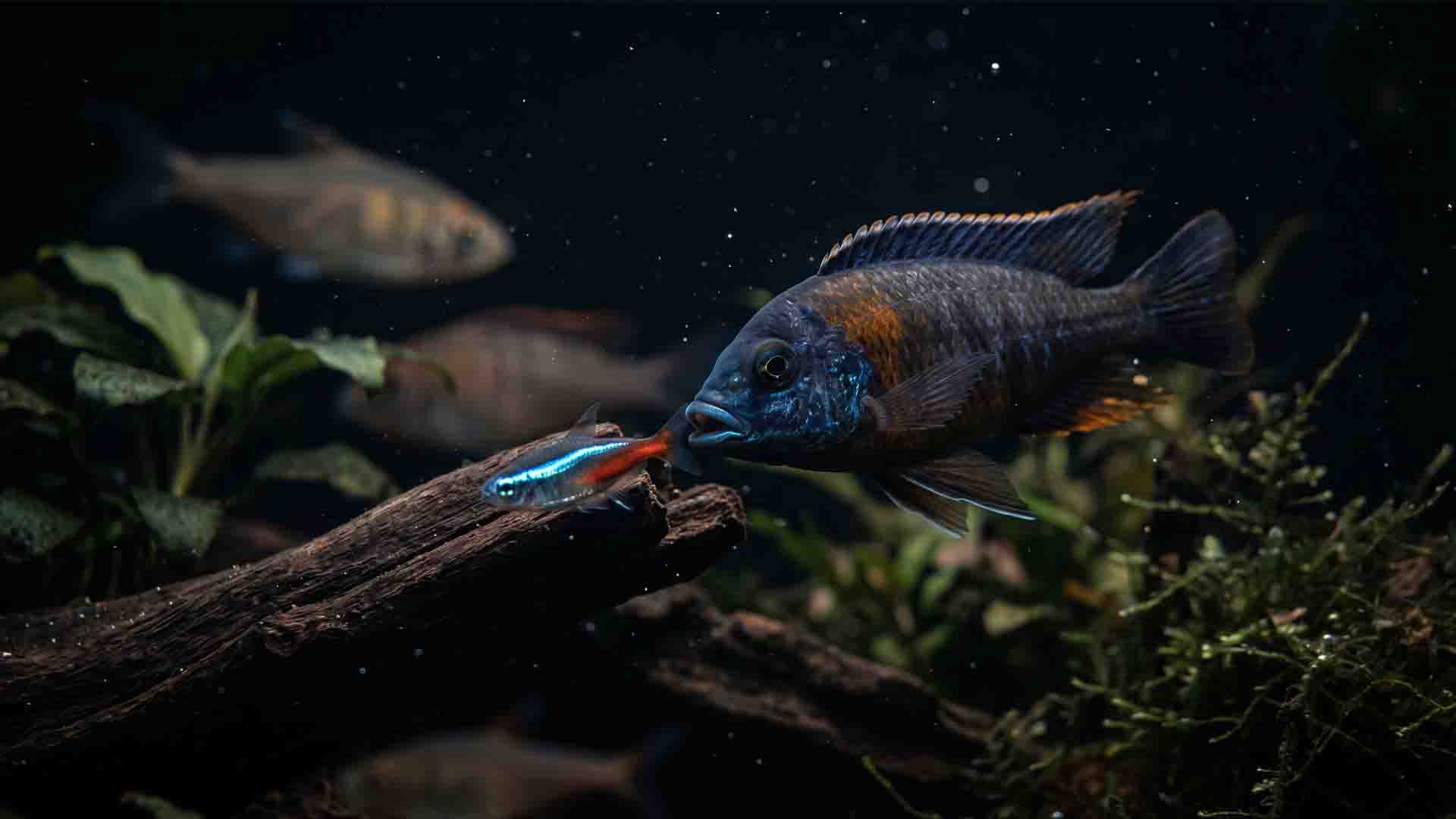
The Pet Store Illusion: Why “Beginner-Friendly” Fish Trigger Delayed Tank Collapse
Most beginner aquarium failures do not happen on Day 1. You buy a small, active fish from a glowing chain store display, bring it home, and for two weeks, your glass box looks like a serene living aquatic masterpiece. Then, without warning, your plants melt into brown sludge, your peaceful community fish vanish overnight, or an invisible disease sweeps through your setup despite your water parameters reading “perfect” on paper. This delayed failure is the core reason thousands of beginners quit the hobby every year.
Why does this happen? Big-chain pet retail stores operate on massive, centralized filtration systems equipped with commercial-grade UV sterilizers, constant water turnover, and high-density juvenile stocking. In these artificial holding vats, fish aggression is suppressed by extreme crowding, and water-borne pathogens are artificially kept at bay. The store setup is not an ecosystem—it is a sterile waiting room.
When you transfer a species from this artificial safety net into a young, developing home aquarium, the biological translation fails. What looked like a harmless juvenile suddenly undergoes an adult metabolic shift, hits a territory threshold, or encounters a water chemistry gap it cannot survive. To build a sustainable ecosystem, you must stop shopping by colorful labels and start stocking based on system biology. For a deeper breakdown on retail marketing traps, explore our guide on Pet Store Lies That Kill Beginner Fish Tanks.
The 10 Worst Aquarium Fish & Their Hidden Biological Traps
The following ten species represent the most common impulse purchases in the freshwater hobby. Each one carries a specific biological trap that pet stores refuse to mention on their price tags.
1. Silver Dollars (Metynnis argenteus) – The Plant Shredder & Scape Bulldozer
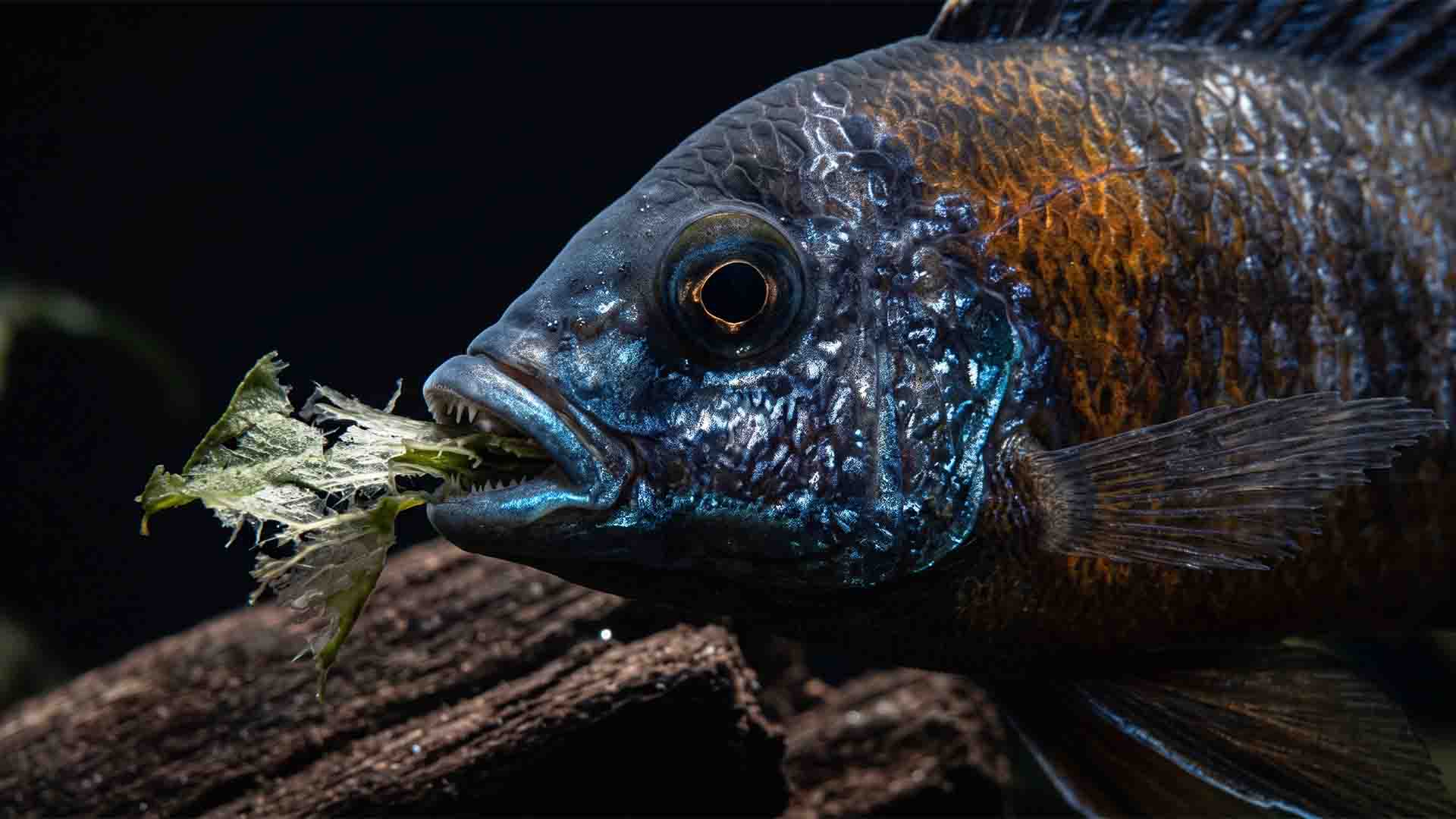
Silver Dollars are frequently marketed as peaceful, shimmering schooling fish suitable for large community aquariums. Beginners buy a group of five quarter-sized juveniles, place them into a carefully aquascaped planted tank, and expect a serene underwater display. Within 48 hours, their expensive Amazon Swords, Anubias, and Vallisneria are reduced to floating stems.
The Biological Trap: Silver Dollars are close specialized relatives of the piranha, but their dietary adaptation is strictly herbivorous and frugivorous. Their jaw structure and digestive tract are built to process tough plant cellulose. They do not nibble on plants out of boredom; live aquatic flora is their primary biological food source. Adding Silver Dollars to a planted aquarium is the ecological equivalent of putting a swimming lawnmower inside a greenhouse. Furthermore, as open-water sprinters that reach 6 inches in diameter, panic flights in confined tanks cause them to slam into glass walls, uprooting hardscape and triggering chronic physical trauma.
System Impact: Total destruction of aquascapes, sudden nitrate spikes from decaying shredded plant tissue, and extreme stress induced in smaller tankmates by their frantic swimming behavior.
2. Mollies (Poecilia sphenops) – The Soft Water Osmotic Trap
Mollies are ubiquitous in the tropical fish aisle, celebrated for their bold colors, constant activity, and livebearing breeding habits. They are universally labeled as the ultimate “hardy beginner fish.” Yet, beginners constantly report their Mollies developing white skin patches, swimming in place with clamped fins (a condition known as “the shimmies”), and dying within three weeks of purchase.
The Biological Trap: The term “freshwater fish” is a biological oversimplification for Mollies. In nature, Poecilia sphenops inhabits hard, mineral-rich coastal waters, river estuaries, and even full brackish environments with high general hardness (gH) and carbonate hardness (kH). When placed in soft, acidic tap water (low mineral content), their osmoregulation system collapses. Their bodies are forced to burn excessive metabolic energy simply trying to maintain internal salt-water balance. This constant osmotic stress degrades their mucosal slime coat, rendering them defenseless against opportunistic fungal and bacterial pathogens.
System Impact: Chronic disease outbreaks, high mortality rates in soft water regions, and misleading water tests where ammonia/nitrite read zero while the fish suffer from severe mineral deficiency. If you are struggling with unexplained livestock losses, check our comprehensive breakdown on Why Your Fish Keep Dying & How to Fix It.
3. Otocinclus Catfish (Otocinclus vestitus) – The Spotless Tank Starvation Line
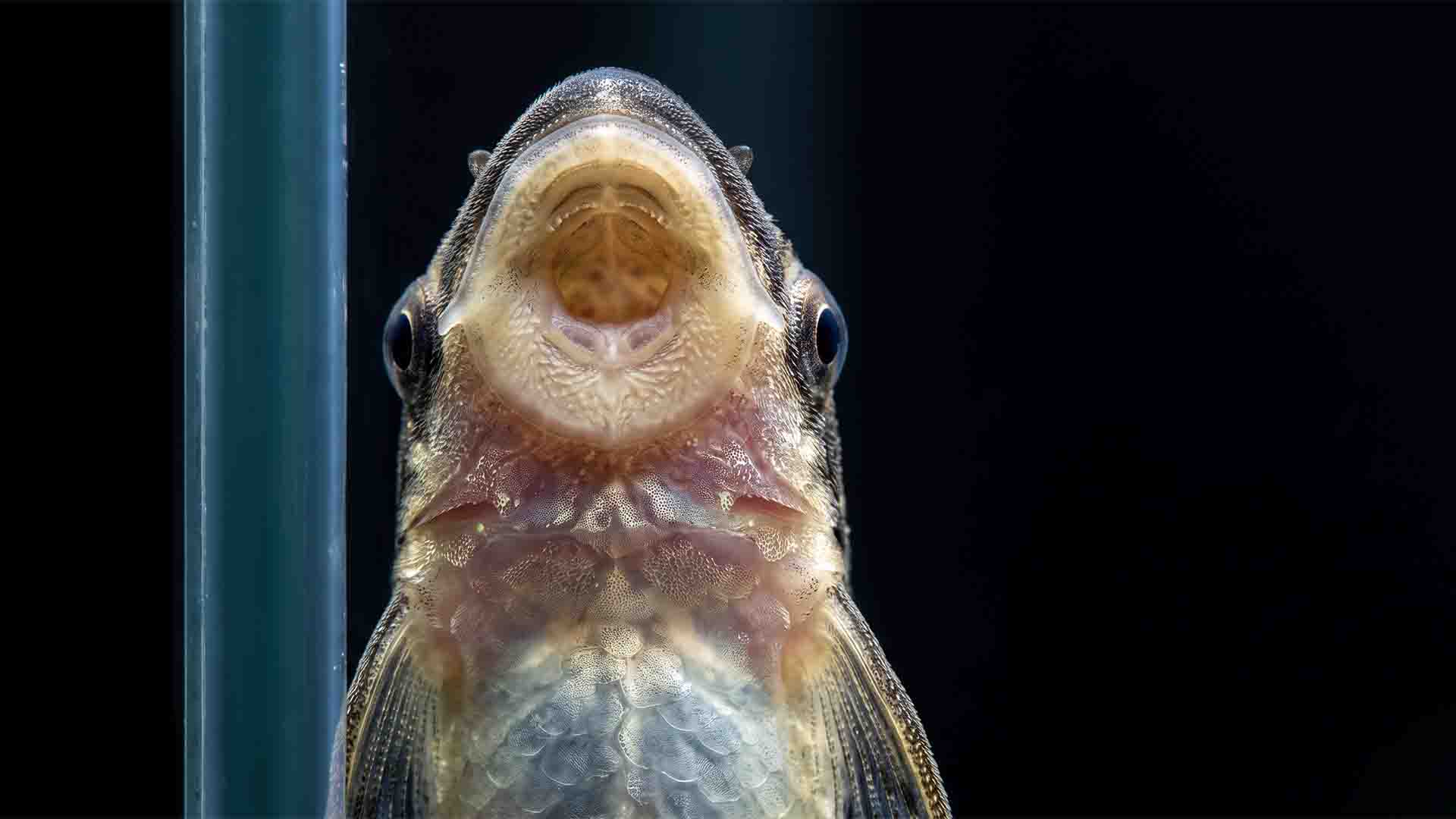
When new aquarists spot the first dusting of brown algae or diatoms on their glass, pet stores immediately recommend a group of Otocinclus catfish as the ultimate “clean-up crew.” Beginners bring them home to a brand-new, sterile 10-gallon tank, only to watch the tiny catfish perish one by one over a 14-day period.
The Biological Trap: Otocinclus are specialized biofilm and diatom grazers. Their specialized gut microbiome relies almost entirely on the active ingestion of organic micro-flora and soft algae. Nearly all commercial Otocinclus are wild-caught, arriving at retail stores starved and with depleted intestinal flora from weeks of transport. When dropped into a new, spotless aquarium that lacks mature, established biofilm layers, they cross an invisible starvation line. Because they rarely accept commercial dry flakes or processed wafers immediately, they starve to death on clean glass while the owner assumes the water chemistry was at fault.
System Impact: Silent, non-symptomatic mortalities in tanks under six months old. To build a functional maintenance crew without biological casualties, read our guide on the Best Freshwater Aquarium Clean-Up Crew Ranked by Real Results.
4. Neon Tetras (Paracheirodon innesi) – Mass-Breeding Genetic Immunity Collapse
For decades, the Neon Tetra was the gold standard for peaceful community tanks. Their brilliant electric blue and neon red stripes make them the most purchased schooling fish on Earth. However, modern aquarists frequently experience total school crashes within 72 hours of introduction, despite immaculate water parameters.
The Biological Trap: Decades of commercial mass-breeding in massive commercial fish farms have severely narrowed the genetic pool of modern Neon Tetras. Inbred for maximum color output at minimum cost, their innate immune systems have experienced a structural collapse. Furthermore, they are highly susceptible to Pleistophora hyphessobryconis (Neon Tetra Disease), an untreatable microsporidian parasite that destroys muscle tissue. The physiological stress of netting, bagging, and osmotic shifts during transport causes a rapid cortisol surge that completely suppresses their weakened immune defenses, triggering sudden systemic organ failure.
System Impact: High financial loss, sudden mass mortality events, and potential parasite transmission to other peaceful community species.
5. Tiger Barbs (Puntius tetrazona) – The Fin-Nipping Hierarchy Mafia
With their striking orange bodies and bold black vertical stripes, Tiger Barbs are an irresistible addition to retail display tanks. Store labels often categorize them as “active community fish.” Beginners buy three or four individuals, put them in a tank with long-finned Angelfish, Guppies, or Gouramis, and awaken to find their display fish shredded and dying in corners.
The Biological Trap: Tiger Barbs possess a strict social hierarchy governed by relentless dominance sparring within the school. In nature, they form massive shoals of 20 to 50+ individuals where territorial energy and nipping instincts are contained strictly within their own species hierarchy. When kept in small “impulse groups” of 3 to 5, their social dynamic collapses. Lacking enough conspecifics to establish a stable internal hierarchy, their pent-up dominance aggression spills outward toward slow-moving or long-finned tankmates, converting the aquarium into an relentless pursuit zone.
System Impact: Severe physical injury to tankmates, chronic secondary bacterial fin rot caused by mechanical bite wounds, and persistent nighttime chasing that exhausts the ecosystem.
6. Red-Tail Shark (Epalzeorhynchos bicolor) – The Bottom-Dwelling Territorial Dictator
With its jet-black body and vibrant crimson tail, the Red-Tail Shark is a striking centerpiece fish. Local fish stores frequently market them as active bottom-scavengers for general community tanks. When purchased as a two-inch juvenile, the Red-Tail Shark appears timid, spending most of its time hovering near caves or driftwood.
The Biological Trap: Epalzeorhynchos bicolor is a strictly solitary, highly territorial cyprinid. In the wild, individual sharks claim extensive stretches of riverbed, aggressively defending benthic foraging grounds from any fish with a similar body shape or feeding niche. As the shark matures past four inches, its territorial boundary expands to encompass the entire lower footprint of tanks under 55 gallons. It does not merely defend a cave; it treats all bottom-dwelling species—such as Corydoras catfish, Loaches, and Otocinclus—as invasive threats to its survival.
System Impact: Relentless nighttime chasing, torn pectoral fins, chronic physical exhaustion of tankmates, and sudden mortalities caused by stress-induced immune suppression. If you are noticing unpredictable territorial behavior among your livestock, read our guide on Community Fish to Avoid and Peaceful Alternatives.
7. Convict Cichlid (Amatitlania nigrofasciata) – The Breeding War Zone & Fry Apocalypse
Convict Cichlids are famous for their bold zebra stripes, incredible hardiness, and dirt-cheap price tags. Pet stores often sell them to beginners looking for a durable, interactive fish that can survive basic water parameters. Beginners buy a male and female pair, put them in a 20-gallon tank, and marvel at how quickly they adapt.
The Biological Trap: Convict Cichlids possess one of the most aggressive parental defense mechanisms in freshwater biology. The moment a pair forms a bond—which happens almost guaranteed in any mixed-sex setup—their biological breeding switch flips. A spawning pair claims up to 80% of the aquarium footprint, violently attacking any tankmate that swims within their line of sight. Furthermore, a single pair can produce hundreds of free-swimming fry every three to four weeks. Because few hobbyists or local stores want excess Convict fry, the tank quickly transforms into an overcrowded, hyper-aggressive bio-load nightmare.
System Impact: Systematic destruction or pinning of all other tankmates into top corners, extreme mechanical injury from territorial bites, and severe nitrogen cycle spikes caused by unmanageable fry populations.
8. Chinese Algae Eater (Gyrinocheilus aymonieri) – The Metabolic Shift & Slime-Coat Vampire
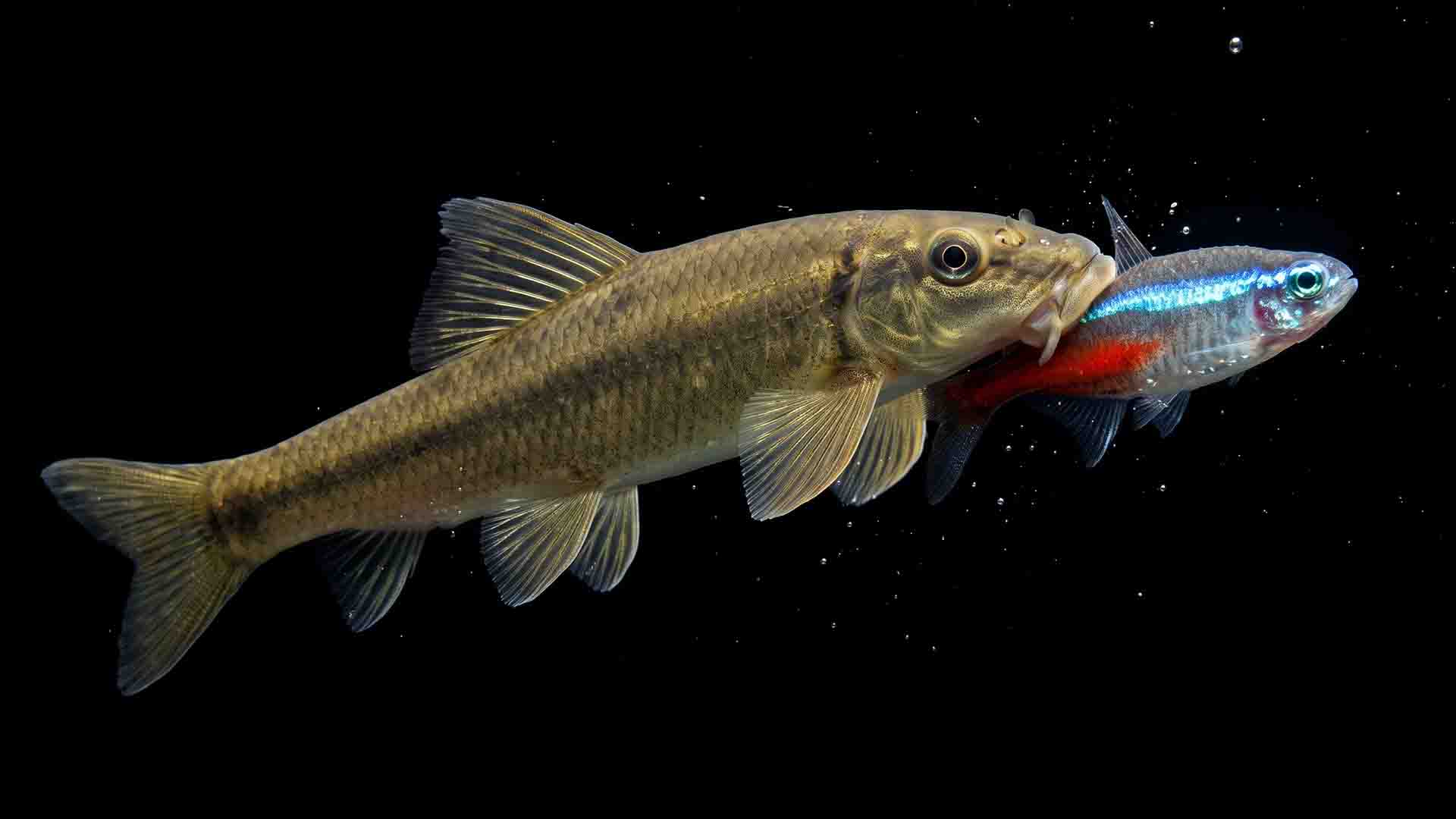
When brown diatom algae covers a new tank, pet store employees regularly hand over a juvenile Chinese Algae Eater (CAE) as a quick-fix solution. At one inch long, these slender fish work tirelessly, scraping glass and rock surfaces clean within days.
The Biological Trap: The Chinese Algae Eater undergoes one of the most dangerous ontogenetic dietary shifts in the aquarium hobby. As juveniles, their suctorial mouthparts are adapted for scraping soft micro-algae. However, as Gyrinocheilus aymonieri matures past four inches, its metabolic requirement for protein increases significantly, while its appetite for algae completely disappears. Realizing that the protective mucosal slime coat of broad-bodied tankmates (such as Angelfish, Discus, and Goldfish) is rich in protein and carbohydrates, the adult CAE attaches itself to the sides of sleeping fish at night, rasping away their skin and slime layer.
System Impact: Open, bloody epidermal lesions on display fish, severe secondary fungal infections, chronic stress, and sudden nighttime fatalities. To explore safer micro-algae grazers, consult our ranking of the Best Algae Eaters That Really Work.
9. Oscar Cichlid (Astronotus ocellatus) – The Wet Bulldozer & Bioload Ticking Bomb
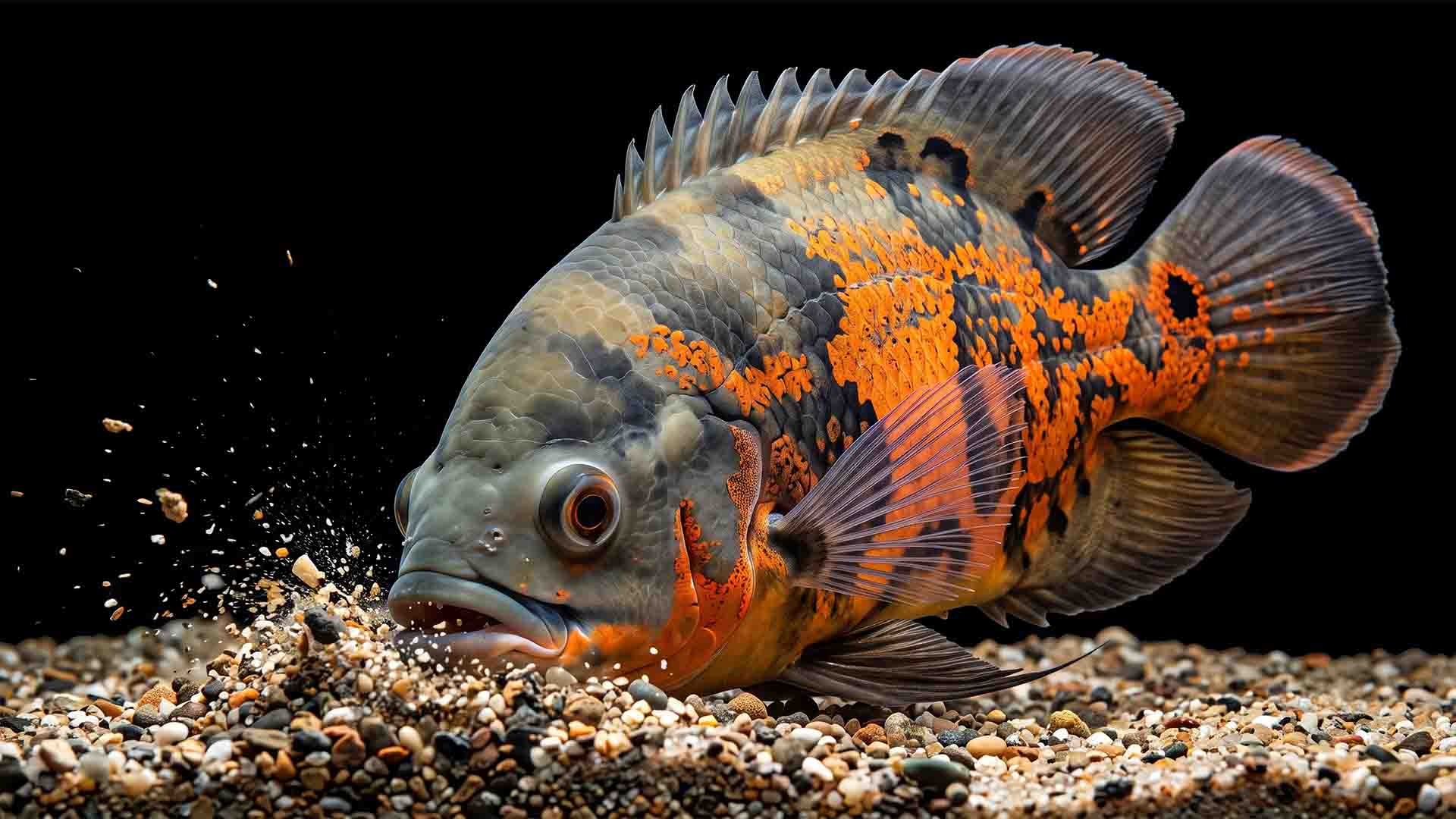
Oscars are often called the “dogs of the aquatic world” due to their immense intelligence, eye contact, and begging behaviors. Cutesy two-inch juveniles are displayed in almost every major chain store, luring beginners into placing them in standard 20 or 30-gallon community setups.
The Biological Trap: The biological trap of the Oscar is its exponential metabolic scaling. An Oscar can grow from two inches to over ten inches in less than twelve months when fed a standard pellet diet. As massive, heavy-bodied predators, their digestive efficiency is low, meaning they expel immense quantities of solid waste and dissolved organic compounds. Furthermore, Oscars are natural substrate excavators. They uproot live plants, smash internal glass heaters, toss decorative hardscape, and consume any tankmate small enough to fit inside their expansive jaws.
System Impact: Massive nitrate spikes exceeding 80 ppm within days, filter clogging, physical destruction of aquascapes, and predation on peaceful community species. Before impulse-buying large predators, review our guide on Monster Fish That Destroy Aquariums.
10. Iridescent Shark (Pangasianodon hypophthalmus) – The 4-Foot Tankbuster Mistake
Sold as cute, shimmering “miniature sharks” with sleek silver bodies and energetic swimming habits, Iridescent Sharks are one of the most unethical sales in the commercial pet trade. Beginners buy a school of three juveniles for a standard home aquarium, assuming they will adapt their size to the glass enclosure.
The Biological Trap: The belief that fish “grow to the size of their tank” is a lethal biological myth. Pangasianodon hypophthalmus is not a shark; it is a pelagic river catfish native to the Mekong basin that naturally grows to four feet (130 cm) in length and weighs over 90 pounds. In a home aquarium, their muscular growth continues internally while their outer skeletal frame becomes stunted, causing severe organ compression. Additionally, as open-water pelagic swimmers with poor eyesight, minor vibrations cause them to panic and sprint blindly at full speed into glass panels, causing spinal fractures and broken snouts.
System Impact: Catastrophic bioload overload, physical damage to glass and equipment, severe livestock trauma, and guaranteed system failure. Learn more about high-risk online purchases in our breakdown on Deadliest Monster Fish Sold Online.
Data Breakdown: High-Risk Species, Biological Triggers & FTM-Approved Alternatives
The table below summarizes the core biological failure points of these ten high-risk species alongside stable, beginner-safe alternatives approved by FishTank Mastery.
| Species Name | Primary Biological Trigger | Delayed System Impact | FTM-Approved Alternative |
|---|---|---|---|
| Silver Dollar | Obligate herbivorous jaw mechanics | Total aquascape destruction & plant melt | Pristella Tetra or Diamond Tetra |
| Molly | High mineral / osmoregulation requirement | Osmotic shock, “shimmies”, fungal outbreaks | Platy or Endler’s Livebearer |
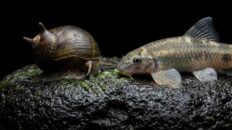
| Otocinclus | Obligate biofilm/diatom digestive gut flora | Silent starvation in clean/new tanks | Amano Shrimp or Neritina Snail |
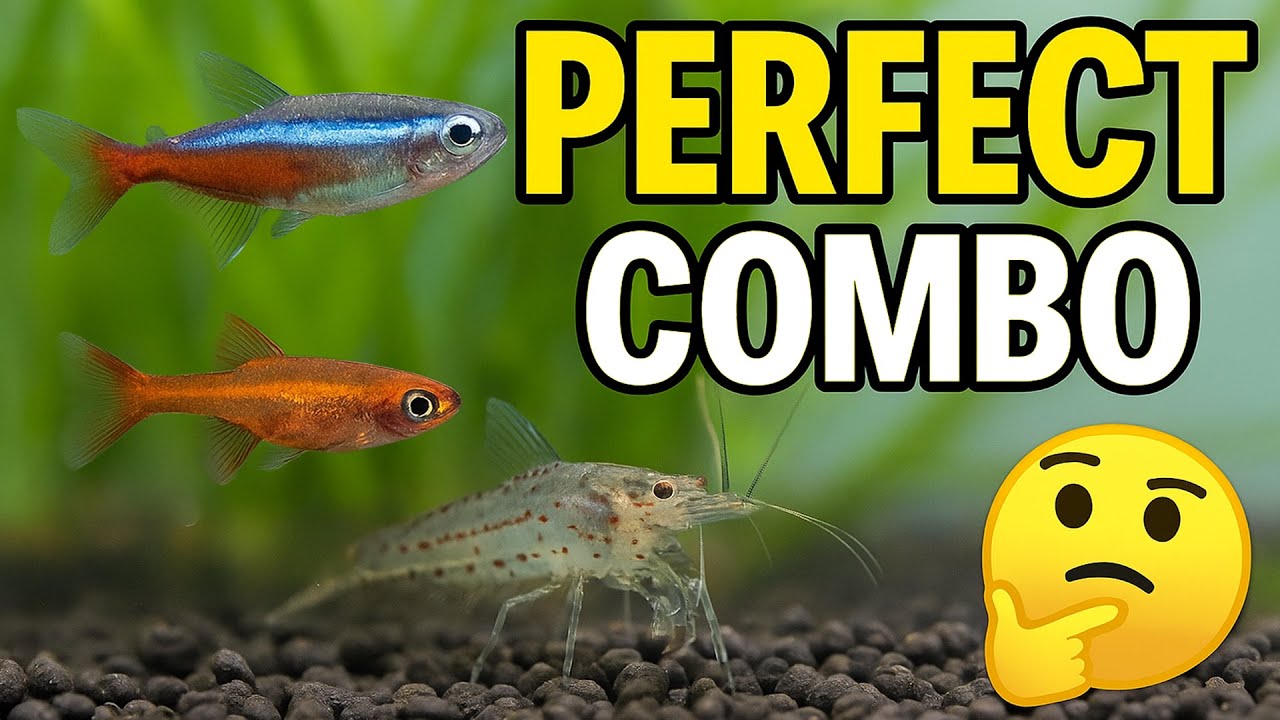
| Neon Tetra | Inbred genetic immunity collapse | Sudden mass mortality & parasite loss | Cardinal Tetra or Rummy-Nose Tetra |
| Tiger Barb | Hierarchy dynamic collapse in small shoals | Relentless fin-nipping & chasing stress | Cherry Barb or Pentazona Barb |
| Red-Tail Shark | Solitary benthic territorial defense | Substrate warfare & nighttime chasing | Bristlenose Pleco (Ancistrus) |
| Convict Cichlid | Hyper-aggressive parental reproduction | Total tank takeover & unmanageable fry | Bolivian Ram or Keyhole Cichlid |
| Chinese Algae Eater | Adult metabolic shift to parasitism | Slime-coat feeding & deep tissue wounds | Siamese Algae Eater (True SAE) |
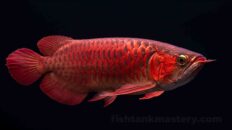
| Oscar Cichlid | Exponential growth & massive bioload | Nitrate surges & physical destruction | Severeum or Blue Acara (Electric Blue) |
| Iridescent Shark | Pelagic river giant (grows to 4 feet) | Impact trauma, stunting & system crash | Columbian Tetra (for shark-like swimming) |
What to Avoid: The 4 Habit Loops That Quietly Kill Your Aquarium
Avoiding high-risk fish is only half the battle. To maintain long-term biological stability, you must eliminate the four behavioral habit loops that drive aquarists to buy biological ticking time bombs in the first place.
- Shopping by Juvenile Appearance: Never buy a fish based on its size in a retail display tank. Always cross-reference the adult size, metabolic scaling rate, and adult dietary requirements on independent databases like FishBase before making a purchase. For more species to skip, read our analysis on 7 Overrated Aquarium Fish Beginners Regret Buying.
- Using Animals as Primary Maintenance: Adding livestock to solve a system maintenance problem (such as algae or uneaten food) always increases overall bioload. Correct light schedules, feeding routines, and mechanical filtration first before adding clean-up livestock.
- Chasing Short-Term Visual Clarity over Water Hardness: Assuming that crystal-clear water equals healthy water causes aquarists to ignore fundamental water chemistry parameters like general hardness (gH) and carbonate hardness (kH), leading to osmoregulatory collapse in species like Mollies.
- Stocking Social Species in Inadequate Group Sizes: Buying shoaling fish like Tiger Barbs or Neon Tetral in small groups of 2 to 4 breaks their natural social dynamic, turning contained internal hierarchy behavior into outward aggression toward peaceful tankmates.
Do This Instead: A 5-Step Ecosystem Restoration System
If your aquarium currently contains one of these high-risk species or feels like a stress-filled battlefield, follow this five-step restoration system to re-establish biological equilibrium.
- Step 1: Perform a Livestock Behavioral Audit: Observe your tank for 15 minutes after lights-out using ambient room light. Identify which species are chasing, nipping, or showing clamped fins during nighttime hours.
- Step 2: Rehome or Isolate Biological Mismatches: Rehome species that outgrow your tank’s footprint or actively attack tankmates. Local independent fish stores or hobbyist groups will often accept surrendered livestock.
- Step 3: Align Water Parameters with Species Physiology: Adjust your tap water mineral content using remineralizers or soft water buffering to match the osmoregulatory needs of your remaining community.
- Step 4: Establish Visual Barriers and Territorial Footprints: Break up direct lines of sight across the aquarium using natural driftwood, tall stem plants, and rock structures to allow subordinate fish to escape pursuit.
- Step 5: Re-Stock Slowly with FTM-Approved Alternatives: Add stable, peaceful species in proper schooling numbers (6+ individuals) at two-week intervals, allowing your biofilter time to adapt to incremental waste loads.
Scientific Truths Behind Aquarium Fish Failures
Aquarium failures are rarely random accidents. Behind every sudden outbreak of disease, mysterious overnight loss, or unexpected territorial battle lies a documented physiological or ecological mechanism. Understanding the peer-reviewed science behind fish stress physiology and system dynamics is the key to transitioning from an anxious pet owner to a confident ecosystem manager.
1. Osmoregulatory Stress & Ionic Imbalance in Hard-Water Species: Euryhaline species like Mollies (Poecilia sphenops) possess highly active ionocytes in their gills designed to pump essential minerals like calcium, magnesium, and sodium into their bloodstream against osmotic gradients. When forced into soft, mineral-deficient water, their osmoregulatory organs must consume up to 30% of their total daily metabolic energy budget simply to prevent cellular fluid loss. This energetic exhaustion causes severe tissue dehydration, mucosal slime-coat degradation, and the characteristic muscle spasms known as “the shimmies.” Read the study
2. Inbreeding Depression, Cortisol Surge & Immunosuppression: Modern mass-bred Neon Tetras (Paracheirodon innesi) suffer from extreme genetic bottlenecking. Studies on teleost fish stress physiology reveal that transport stress triggers a rapid release of cortisol from the interrenal tissue. In genetically weakened populations, high systemic cortisol levels instantly suppress lymphocyte production, allowing opportunistic microsporidian parasites like Pleistophora hyphessobryconis to bypass the primary immune barrier and consume skeletal muscle tissue within 48 to 72 hours. Read the study
3. Ontogenetic Trophic Shifts in Benthic Algae Eaters: The shift in diet observed in mature Chinese Algae Eaters (Gyrinocheilus aymonieri) is an evolutionary adaptation known as an ontogenetic trophic shift. As their body length exceeds 10 centimeters, their metabolic requirement for protein and lipids outpaces the energy density provided by benthic micro-algae. Their suctorial mouthparts, originally evolved for scraping diatoms from rocks in fast-flowing Asian rivers, are repurposed to rasp the nutrient-rich epidermal mucus layer of large, slow-moving teleost fish. Read the study
4. Allometric Waste Scaling and Nitrogenous Loading: Metabolic waste output in heavy-bodied fish like the Oscar Cichlid (Astronotus ocellatus) does not scale linearly with body length; it scales allometrically with body mass ($Mass \propto Length^3$). A single 10-inch Oscar produces approximately 100 times the nitrogenous waste (ammonia and organic solids) of ten 1-inch fish. Without massive biological filtration surface area and high turnover rates, this bioload rapidly overwhelms nitrifying bacteria, causing lethal unionized ammonia ($NH_3$) spikes. Read the study
Google People Also Ask (PAA)
What is the #1 worst fish for beginners to buy?
The Iridescent Shark (Pangasianodon hypophthalmus) is widely considered the worst fish for beginners. Despite being sold as cute 2-inch juveniles, they naturally grow into 4-foot river catfish that outgrow 99% of home aquariums, suffer from severe stunting, and smash into glass panels when startled.
Why do my beginner fish keep dying when water tests are perfect?
Standard liquid test kits only measure dissolved nitrogen compounds (Ammonia, Nitrite, Nitrate) and basic pH. They cannot detect osmoregulatory shock from low water hardness, chronic cortisol stress, internal genetic parasites, or bacterial attacks caused by slime-coat damage.
Are Chinese Algae Eaters aggressive to other fish?
Yes. While juvenile Chinese Algae Eaters consume algae, adults experience a metabolic shift where they require animal protein. Mature CAEs regularly attack flat-bodied tankmates like Angelfish, Goldfish, and Discus at night to suck their protective slime coat, leaving open, infected wounds.
Why are my Mollies shaking and swimming in place?
Shaking or “shimmying” in Mollies is a classic symptom of osmoregulatory shock caused by soft, acidic water. Mollies require hard, mineral-rich water (high gH and kH) or brackish conditions to maintain internal electrolyte balance. In soft water, their mucosal defenses collapse.
How do I stop aggressive fish from nipping fins in a community tank?
Fin-nipping in semi-aggressive species like Tiger Barbs is usually caused by small group sizes. When kept in groups under 6 to 8 individuals, their internal social hierarchy breaks down, causing them to channel dominance aggression toward long-finned tankmates.
Frequently Asked Questions (FAQ)
Can I keep Silver Dollars in a planted aquarium if I feed them vegetables?
No. Silver Dollars (Metynnis argenteus) are specialized herbivores with jaw structures evolved specifically to consume plant tissue. Supplementing their diet with lettuce or zucchini will not stop them from shredding live aquascape plants like Amazon Swords, Anubias, or Vallisneria.
How long does it take for Otocinclus catfish to starve in a new tank?
Otocinclus catfish can cross the starvation line within 7 to 14 days in a new or spotless aquarium. Because they rely almost exclusively on mature biofilm and diatoms, placing them in tanks under six months old without established microbial layers leads to silent mortalities.
Why did my entire school of Neon Tetras die within three days?
Modern Neon Tetras suffer from severe genetic immunity collapse due to commercial mass-breeding. The combined stress of transport, net handling, and water chemistry shifts triggers a massive cortisol surge that destroys their immune barrier, leading to rapid organ failure or acute parasite outbreaks.
Do fish really grow only to the size of their aquarium?
No. That is a dangerous aquarium myth. While a small tank may slow outer skeletal growth due to chronic stress, internal organs continue to develop, leading to severe organ compression, spinal deformities, and early painful death.
What should I do if I already bought one of these high-risk fish?
Assess whether your current setup can support the species’ adult size, water parameter needs, and social requirements. If not, contact a local independent fish store or hobbyist club to rehome or surrender the animal before it triggers a full system collapse.
Hub & Spoke: Internal Knowledge Base
Building a thriving, stress-free aquarium requires looking beyond individual species choices and mastering overall ecosystem dynamics. If you suspect retail marketing influenced your stocking decisions, explore our complete breakdown of Pet Store Lies That Kill Beginner Fish Tanks to spot sales traps before bringing livestock home.
For hobbyists struggling with unexplained losses despite clean test results, our guide on Why Your Fish Keep Dying & How to Fix It explains how to diagnose hidden stress factors and restore environmental stability. If you need to replace aggressive or high-risk species with stable, peaceful tankmates, consult our curated list of Community Fish to Avoid and Peaceful Alternatives.
Finally, if you are looking for efficient biological maintenance without risking the safety of your display fish, review our ranked guide on the Best Freshwater Aquarium Clean-Up Crew Ranked by Real Results. If your curiosity extends to large freshwater predators, expand your knowledge with our breakdown on Monster Fish That Destroy Aquariums.
Scientific References & Literature Review
1. U.S. Environmental Protection Agency (EPA) – Aquatic Life Criteria for Ammonia: Ammonia toxicity in closed aquatic systems is one of the primary drivers of sudden livestock loss in home aquariums. This landmark EPA document establishes the exact physiological damage caused by un-ionized ammonia ($NH_3$) versus ionized ammonium ($NH_4^+$) across varying temperature and pH levels. The empirical data proves that un-ionized ammonia causes acute gill lamellae degradation, disrupts osmotic balance, and damages central nervous system function in teleost fish. Understanding these critical thresholds provides the biological rationale for why high-bioload species like adult Oscar Cichlids rapidly overwhelm young biofilters and trigger catastrophic system crashes. Read the full study
2. Bartelme et al. – Nitrifying Bacteria and Biofilter Dynamics in Recirculating Systems: Published in PMC / Aquatic Microbial Ecology, this peer-reviewed study analyzes the complex microbial architecture within closed biofiltration systems. The researchers demonstrate that nitrifying biofilms are predominantly composed of highly specialized Nitrospira and Nitrosomonas species that take months to form stable, redundant colonies on porous substrate surfaces. The paper proves that deep-cleaning filter media or replacing biological cartridges strips away these vital microbial communities, causing sudden nitrogenous waste spikes. This research supports the core FishTank Mastery principle that long-term aquarium stability relies on protecting biofilm integrity rather than attempting to sterilize the system. Read the full study
3. Teleost Stress Physiology & Cortisol-Induced Immunosuppression (PubMed): This physiological paper explores the biochemical cascading effects of capture, transport, and osmotic stress in freshwater teleost fish. When sensitive species like mass-bred Neon Tetras endure mechanical netting, spatial confinement, and sudden water chemistry shifts, their interrenal tissue releases massive surges of systemic cortisol. The study demonstrates that elevated cortisol directly suppresses primary lymphocyte production and degrades mucosal antibody defenses. This biochemical collapse explains why weak or overbred fish succumb to opportunistic parasites like Pleistophora hyphessobryconis (Neon Tetra Disease) within 48 to 72 hours of introduction to a new tank. Read the full study
4. Ontogenetic Trophic Shifts in Benthic Cyprinids and Algae Eaters (ScienceDirect): Focusing on the evolutionary feeding adaptations of riverine benthic grazers, this study details how species like the Chinese Algae Eater (Gyrinocheilus aymonieri) undergo dramatic metabolic shifts during maturation. As their body length expands, their digestive physiology adapts to process higher protein densities, leading them to abandon algal grazing in favor of mucophagy—actively rasping the protein-rich slime coat of broad-bodied tankmates. This research provides definitive empirical evidence that juvenile algae-eating behavior cannot be extrapolated to adult community setups. Read the full study
Watch Next: Continue Your Aquarium Mastery
Keep your momentum going! To see these biological triggers broke down visually and learn how to build a zero-conflict, long-term freshwater ecosystem, watch these follow-up guides from the FishTank Mastery YouTube library:
WORST to BEST Ranked Aquarium Fish to Buy at PetSmart & Petco: If you want to avoid expensive mistakes when shopping at major retail chains, this video breaks down the exact species sitting on commercial store shelves. We rank popular freshwater fish based on their real-world survival rates, transition stress tolerance, and long-term community safety so you can make informed decisions before heading to the register. Watch the complete retail stocking breakdown on YouTube
10 Aquarium MONSTER Fish That DESTROY Tankmates: Some popular aquarium fish look completely harmless as two-inch juveniles but transform into aggressive territorial predators as they mature. This video reveals the ten most dangerous species sold in the hobby, detailing their adult aggression triggers, spatial footprint requirements, and bioload impact on community tanks. Watch the monster fish survival guide on YouTube
Best Freshwater Tank Cleaners That Actually WORK: Instead of relying on high-risk species like adult Chinese Algae Eaters or giant Plecos that end up polluting your system, discover which cleanup crew animals actually keep your glass and substrate clean. This guide ranks peaceful snails, dwarf shrimp, and specialized catfish based on their biological efficiency and compatibility with community setups. Watch the clean-up crew ranking guide on YouTube
Why Monster Fish DESTROY Tanks? (The Predator Trap Explained): Curious about the exact physiological and behavioral mechanisms that cause peaceful aquariums to turn into stress-filled battlefields? This deep-dive video breaks down spatial math, line-of-sight aggression, and why housing large predatory species in standard home tanks leads to delayed system failure. Watch the predator trap breakdown on YouTube
At FishTank Mastery, we turn messy fish tanks into balanced, self-sustaining success stories—one science-backed guide at a time. Stop buying retail myths, respect system biology, and build an aquarium that lasts!