
Avoiding common betta fish care mistakes is the absolute difference between keeping a thriving aquatic predator and triggering a slow, silent biological crash. Most aquarists do not kill their Betta fish through outright neglect; they follow outdated pet store myths that force the animal’s biology into a state of chronic, unresolvable environmental stress. When you trap a tropical species in unheated water, blast its delicate vascular fins with heavy filter currents, or house it in unbuffered glass bowls, biology inevitably collects its debt. This comprehensive guide deconstructs the physiological traps behind silent Betta decline and provides the exact biological corrections needed to build a stable, long-term ecosystem.
The Retail Scam vs. Biological Science in Betta Fish Care
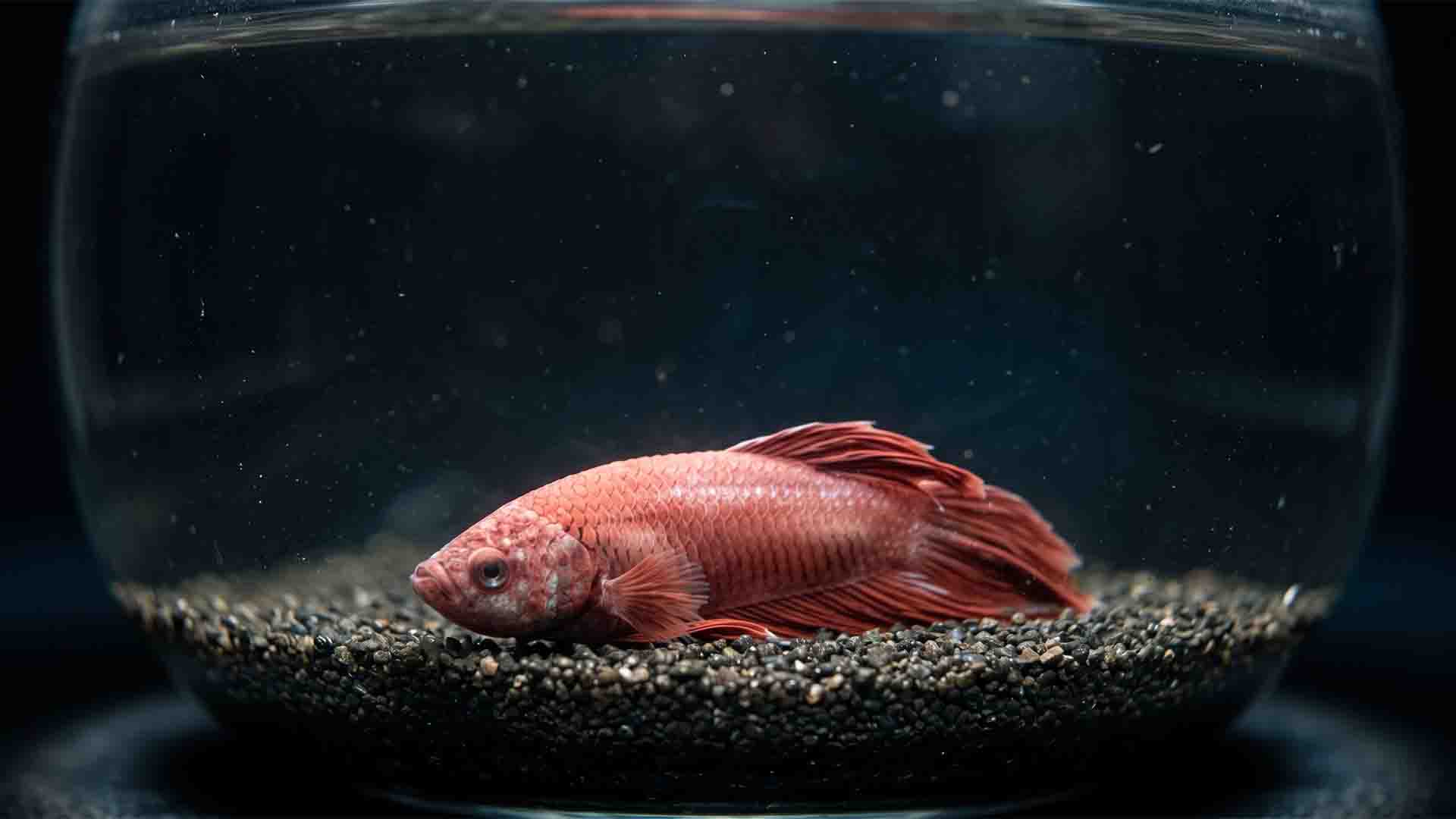
The global ornamental fish trade has long marketed Betta splendens as low-maintenance living room decorations. Retail displays showcase these fish in plastic cups holding less than 250 milliliters of stagnant water. This marketing narrative relies on a fundamental misinterpretation of wild Betta habitats in Southeast Asia. While wild Bettas inhabit shallow agricultural rice paddies, floodplains, and slow-moving streams during dry seasons, these natural water bodies span miles. They are continuously refreshed by massive volume shifts, natural rainfall, living vegetation, and dense subterranean substrate beds that instantly process nitrogenous waste.
Trapping a domesticated, long-finned Betta in a small, closed, unbuffered container creates a toxic biological pressure cooker. The absence of a cycled biological filter means metabolic waste accumulates rapidly, overwhelming the water’s chemical buffering capacity and subjecting the fish to constant environmental trauma.
The Labyrinth Organ Trap: Why Stagnant Water Drives Micro-Infections
Bettas belong to the suborder Anabantoidei, meaning they possess a specialized suprabranchial respiratory structure known as the labyrinth organ. This vascularized bone tissue allows Bettas to gulp atmospheric air from the water’s surface and extract oxygen when dissolved oxygen levels in water drop to zero. While this evolutionary adaptation is a brilliant survival mechanism for dry season droughts, retail marketing distorts it into a justification for filterless bowls.
When a Betta is confined to stagnant water, organic waste, unconsumed food, and lipids rise to the surface, forming a dense micro-scum or bacterial biofilm layer. Every time the fish breaks the surface tension to inhale atmospheric oxygen, it draws this concentrated bacterial film directly across its delicate labyrinth tissue. Instead of relying on clean branchial respiration through its gills, the fish inhales airborne and surface-bound pathogens, driving micro-infections straight into its respiratory tract and vascular tissue.
The Metabolic Cold-Lock: Enzymatic Starvation at 68°F
As ectothermic organisms, Bettas rely entirely on ambient environmental temperatures to regulate their metabolic kinetics, enzymatic activity, and core physiological functions. Native to tropical Southeast Asian waters hovering consistently between 78°F and 82°F (25.5°C to 28°C), their endocrine systems and digestive enzymes are biologically hardwired for warm water.
When kept in an unheated room-temperature aquarium at 68°F (20°C), the Betta enters a biological state known as the metabolic cold-lock. At this reduced thermal threshold, digestive enzymes such as pepsin and trypsin slow down dramatically. Food swallowed by the fish cannot be broken down efficiently; instead, commercial dry food sits in the digestive tract, undergoing internal bacterial fermentation and gut stagnation. The fish does not sink to the substrate because it is “resting”—it sits motionless because its metabolic engine has dropped into first gear, causing systemic lethargy, organ starvation, and complete suppression of the immune barrier.
10 Deadly Betta Fish Mistakes Quietly Destroying Your Setup
Understanding the physiological mechanics behind silent tank failures requires analyzing the specific environmental triggers that hobbyists introduce into their setups daily. Below are the first five critical mistakes that quietly destabilize Betta health.
Mistake 10: The 1-Gallon Bowl Trap (Ammonia Soup & Biological Collapse)
The 1-gallon glass bowl remains the oldest retail myth in the aquarium hobby. From a chemical perspective, a 1-gallon volume lacks the physical water mass required to dilute metabolic waste. A single adult Betta produces metabolic waste continuously through branchial excretion and solid waste. In a 1-gallon enclosure, total ammonia concentration can spike to lethal thresholds within 48 hours.
Ammonia attacks the lipid membranes of the gill lamellae, causing cellular necrosis, fusion of the gill filaments, and catastrophic reduction in oxygen-binding efficiency. Because the water lacks surface area for nitrifying autotrophic bacteria (such as Nitrosomonas and Nitrospira) to colonize, the nitrogen cycle never establishes. The fish is forced to swim in its own dissolved waste, leading to systemic internal organ liquefaction long before physical symptoms appear on the exterior body.
Mistake 9: The Unheated Cold-Lock State (Enzymatic Slowdown & Stomach Rot)
Running a Betta aquarium without a dedicated thermostatically controlled heater subjects the animal to chronic thermal depression. Ambient room air temperatures fluctuate constantly between day and night, creating rapid water temperature drops. These continuous thermal swings shock the fish’s endocrine system, halting the synthesis of white blood cells (leukocytes) and leaving the tissue completely vulnerable to opportunistic saprophytic pathogens.
When thermal depression persists, internal digestive motility ceases. Carbohydrate fillers and proteins inside low-grade fish foods rot within the intestinal tract, swelling the foregut and causing severe internal bacterial bloat. Beginners misinterpret this motionless, substrate-dwelling behavior as calm behavior, unaware that the animal’s cellular repair mechanisms have completely stalled due to cold-water metabolic paralysis. A reliable 50-watt submersible heater set to a stable 78°F–80°F is a non-negotiable biological requirement.
Mistake 8: The Hurricane Filter Current (Lactic Acid Exhaustion & Self-Mutilation Tail-Biting)
Correcting the bowl trap often leads beginners to another extreme: installing high-output power filters or powerheads designed for heavy-bodied community species. Domesticated Betta variants—particularly long-finned varieties like Halfmoons, Rosetails, and Feathertails—drag heavy, broad vascular fin tissue that acts like a underwater sail.
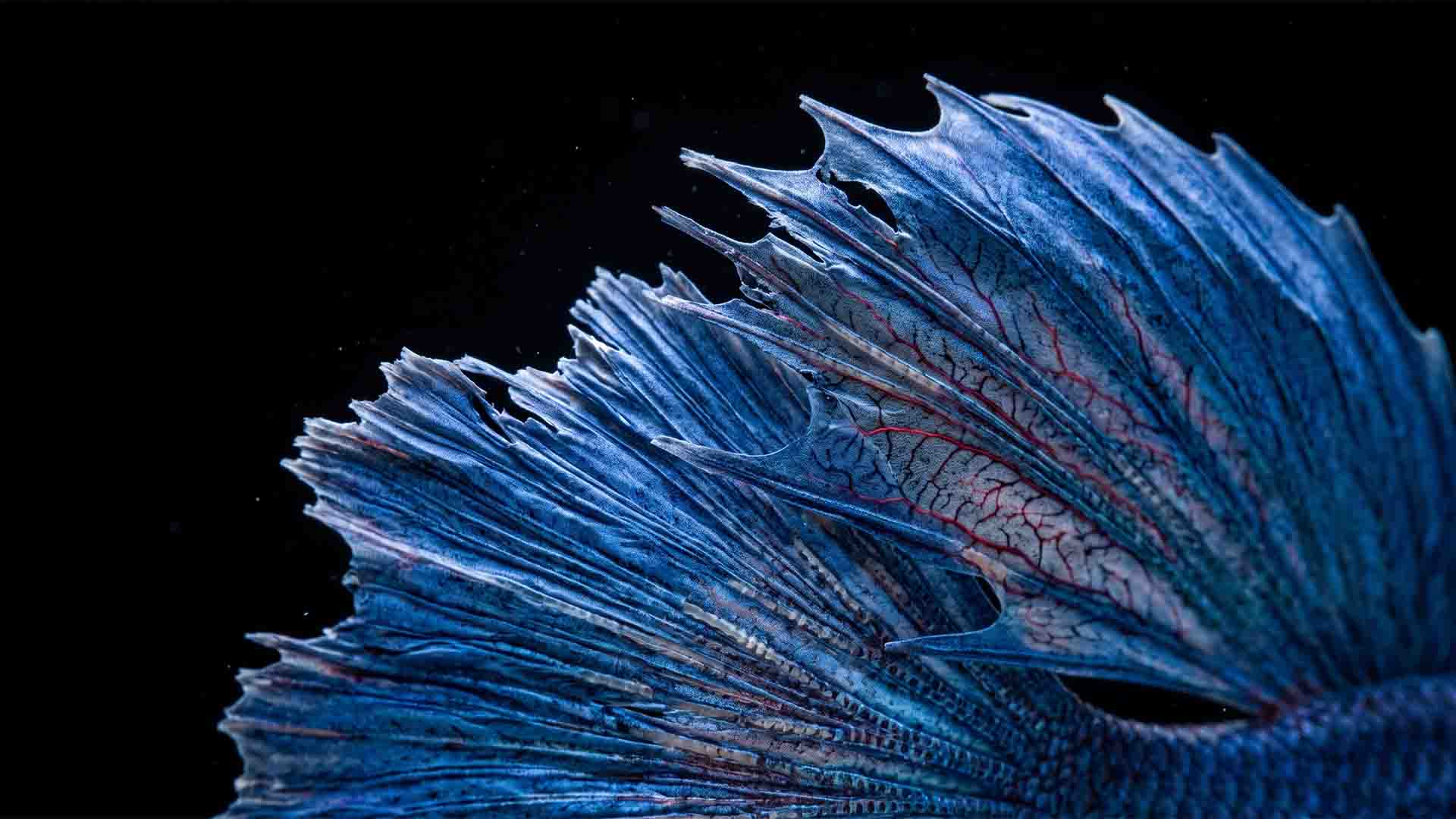
Forcing a long-finned Betta to swim against strong hydro-dynamic currents is the physical equivalent of running a continuous marathon in wet velvet clothing. Muscle tissue rapidly accumulates lactic acid, inducing chronic anaerobic exhaustion. In sheer desperation to shed physical drag and escape the current, exhausted Bettas will turn around and physically chew off their own caudal fins. Aquarists routinely misdiagnose these ragged, shredded tail edges as bacterial fin rot, treating the tank with unnecessary medications while the true culprit—excessive water velocity—continues to exhaust the fish to death. Flow must be baffled using pre-filter sponges or replaced entirely with a gentle air-driven sponge filter.
Mistake 7: 24/7 War Footing (Cortisol Toxicity & Cardiovascular Collapse)
Placing mirror toys inside the aquarium indefinitely or positioning two male Betta tanks side-by-side without visual barriers keeps the animal in a perpetual state of agonistic flaring. While controlled flaring for two minutes a week can serve as mild muscular enrichment, prolonged visual exposure to a rival triggers severe neuroendocrine stress.
Upon perceiving a competitor, the Betta’s hypothalamus signals the interrenal gland to flood the cardiovascular system with elevated levels of cortisol and adrenaline. Chronic cortisol elevation causes systemic physiological damage: it degrades the mucosal immune barrier on the skin, impairs renal function, suppresses antibody production, and accelerates vascular fatigue. Beneath the vibrant, aggressive flaring display lies an endocrine system undergoing catastrophic burnout, making the fish highly susceptible to latent systemic diseases.
Mistake 6: The Betta Sorority Illusion (Silent Territorial Warfare)
The widespread internet concept of the “peaceful female Betta sorority” is one of the most expensive and biologically unsound fairy tales in freshwater fishkeeping. While female Bettas do not display the immediate, explosive physical aggression of males, they are highly territorial, predatory solitary labyrinth fish equipped with identical territorial instincts.
Introducing multiple female Bettas into a standard glass aquarium does not create a cooperative social hierarchy; it establishes a high-stress captive containment environment. Dominance is continuously asserted through subtle agonistic signals, micro-expressions, lateral line displays, fin clamping, and pheromonal dominance signaling. Even if physical shredding is not immediately visible during feeding times, the subordinate females live under perpetual physiological stress. The moment one individual’s immune system collapses from chronic cortisol suppression, the diplomatic truce disintegrates, frequently resulting in a rapid, lethal tank-wide fight.
Mistake 5: Plastic Razor Blades (Fin Lacerations & Columnaris Gateway)
Decorating a Betta aquarium with rigid, injection-molded plastic plants is a direct physical hazard to the fish. Domesticated Betta fins consist of ultra-thin epithelial tissue stretched over fragile, ray-like cartilaginous structures. When a long-finned Betta glides against a sharp plastic leaf edge, microscopic lacerations form along the epidermal layer. These micro-tears are virtually invisible to the naked eye on day one.
However, these physical wounds break the primary mucosal skin barrier, opening a direct vascular gateway for opportunistic aquatic pathogens. Bacteria such as Flavobacterium columnare (Columnaris) and saprophytic fungi colonize these open tissue lesions rapidly. Aquarists frequently treat the resulting fin rot with aggressive chemical medications, completely unaware that the physical decor in their tank is continually slicing the fish’s fins and re-infecting the bloodstream.
Mistake 4: Sterile Substrate & Biofilter Destruction (Washing Filter Sponges in Tap Water)
One of the most destructive beginner habits is the impulse to scrub filter media until it is visually spotless. When an inexperienced aquarist opens a filter box and sees brown biological sludge coating the sponge, they often wash it directly under hot, chlorinated tap water. From a municipal water perspective, chlorine ($Cl_2$) and chloramines are added specifically to sterilize biological life—and they execute that function with absolute efficiency inside your filter.
That brown sludge is not dirt or detritus; it is a dense, highly organized matrix of autotrophic nitrifying bacteria (primarily Nitrosomonas and Nitrospira) bound within a protective extracellular polymeric substance (EPS). Exposing this biological matrix to chlorinated tap water causes osmotic shock and instant cellular lysis, effectively exterminating your biological filtration within seconds. Reinstalling a sterilized sponge into a stocked aquarium guarantees a catastrophic ammonia spike within 24 to 48 hours, forcing the Betta to suffer acute branchial toxicity.
Mistake 3: Feeding Dry Balloon Pellets (Hydro-Expansion, Dry Bloat & Swim Bladder Trauma)
Commercial dry pellets are the standard staple for most Betta owners, but feeding them directly out of the container introduces severe digestive trauma. Low-grade commercial pellets are manufactured using compressed starch and grain fillers (such as wheat flour and soybean meal) to maintain structural integrity. When a hungry Betta swallows these dry, un-soaked pellets, the dense morsels absorb moisture directly from the fluids inside the stomach.
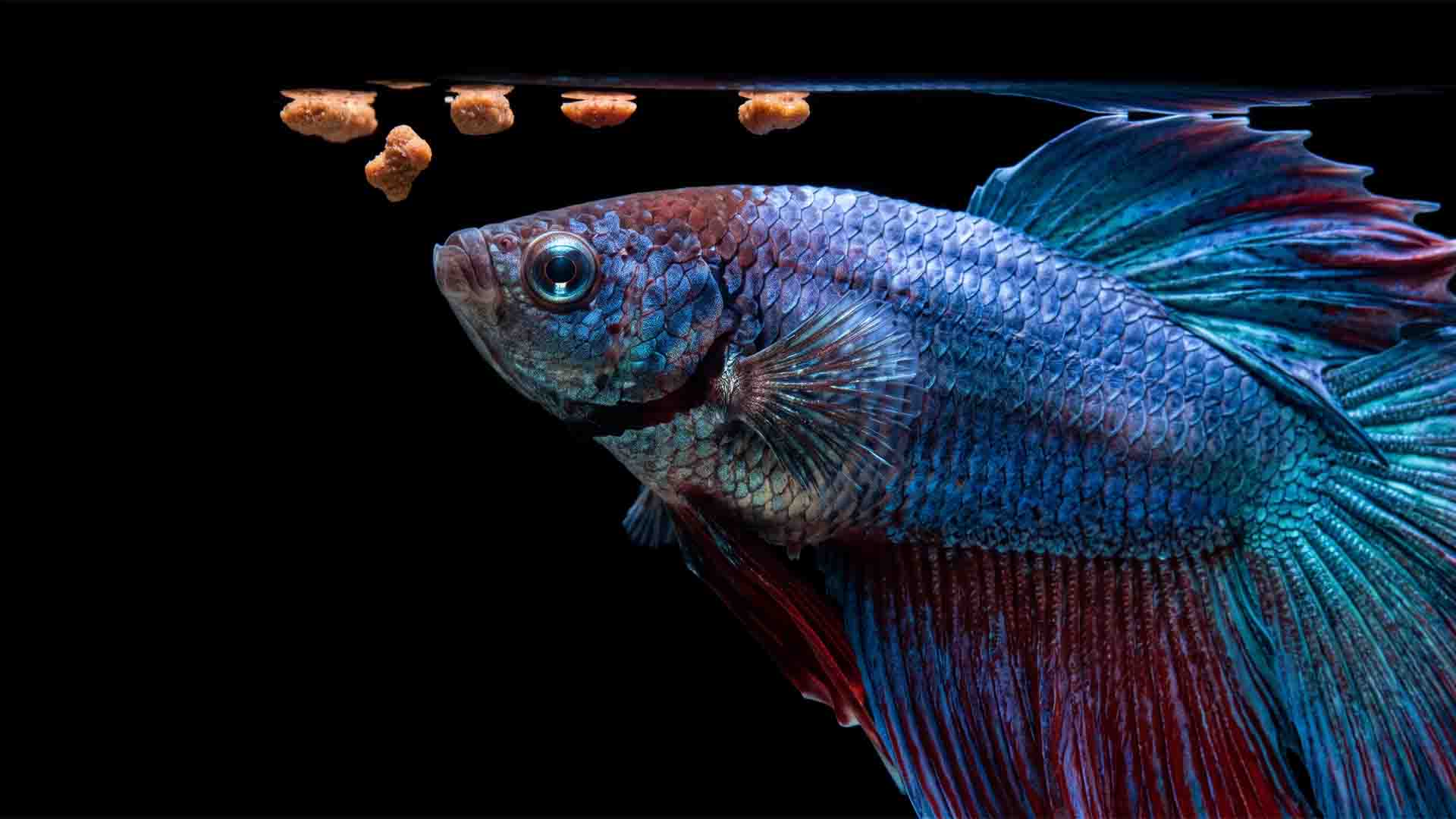
As the pellet hydrates inside the foregut, it expands up to 300% of its original dry volume. This rapid hydro-expansion creates severe internal compaction, compressing the adjacent swim bladder organ—a delicate, hydrostatic gas-filled sac responsible for buoyancy control. The compressed swim bladder loses its ability to regulate internal gas pressure, causing the Betta to tilt, float sideways, or struggle helplessly at the surface like a broken toy. Chronic feeding of dry expanding pellets leads to irreversible gut impaction, intestinal prolapse, and permanent organ displacement. Pellets must always be pre-soaked in aquarium water for two minutes prior to feeding, or replaced with high-protein frozen items like Daphnia and bloodworms.
Mistake 2: The Clear Water Trap (Invisible Gill Burns & Delayed Collapse)
Relying on visual water clarity as an indicator of chemical safety is a lethal mistake. Water clarity simply indicates the absence of suspended particulate matter or free-floating micro-algae; it has zero correlation with dissolved chemical toxicity. Nitrogenous compounds such as free ammonia ($NH_3$) and nitrite ($NO_2^-$), along with dissolved heavy metals, are completely colorless, odorless, and invisible in solution.
An aquarium can maintain crystal-clear aesthetic water while running a lethal ammonia concentration of 2.0 ppm. Ammonia molecules readily cross the branchial membranes of the gills, causing internal cellular burning, hemorrhaging of the lamellae, and destruction of the red blood cells’ oxygen-carrying capacity. Because the water appears visually spotless, the keeper assumes the environment is healthy, ignoring early physiological distress signals until the fish suffers irreversible internal organ failure. Liquid chemical test kits for pH, ammonia, nitrite, and nitrate are mandatory biological diagnostics.
Mistake 1: Buying Fancy Fin Genetic Mutants (Rosetails vs. The Plakat Advantage)
The single most expensive and irreversible mistake in Betta keeping occurs before the fish even enters the water: selecting hyper-mutated show variants bred for extreme fin mass rather than biological longevity. Mass-production breeding facilities selectively line-breed Bettas for extreme fin surface area (Rosetails, Feathertails) and intense metallic guanine scale deposits (Dragonscales), totally disregarding internal vascular support and spinal anatomy.
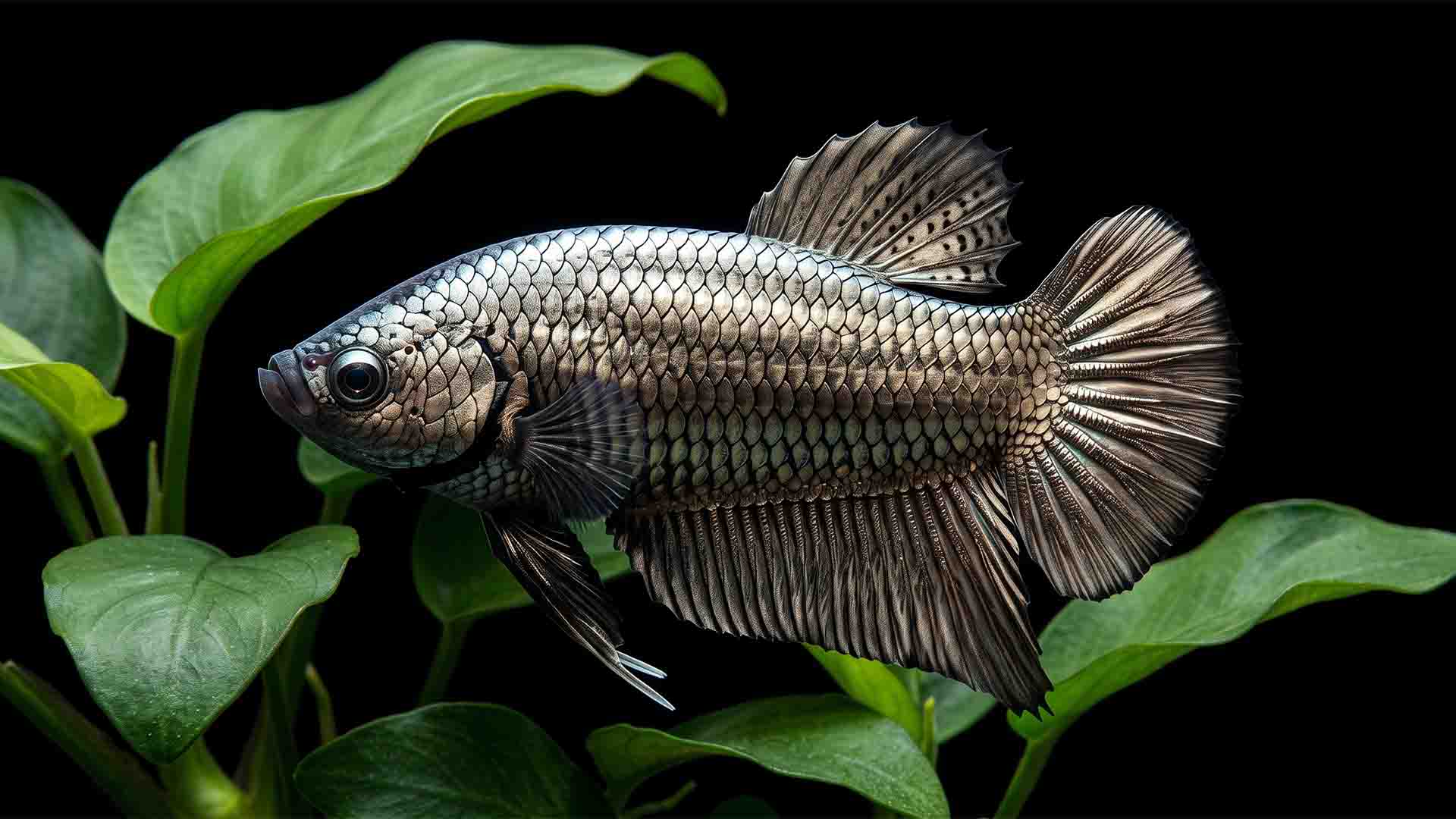
Rosetail and Feathertail Bettas carry fin structures so excessively heavy that their axial skeleton cannot support the weight, leading to progressive spinal deformities and chronic muscular exhaustion. These fish live in a state of permanent physical fatigue, expending immense metabolic energy just to swim to the surface for air. Dragonscale Bettas carry a genetic mutation where metallic guanine scales continuously overgrow, eventually covering the cornea of the eyes and blinding the fish completely within 12 months. Choosing a Plakat Betta—a short-finned variant retaining wild-type body geometry—provides a hydrodynamic, genetically robust predator capable of effortless swimming, strong disease resistance, and a natural lifespan.
Cause vs. Symptom vs. Biological Fix (The Delayed Failure Timeline)
Aquarium failures do not occur overnight; they follow a predictable, cumulative timeline of environmental stress. The table below outlines how common setup mistakes manifest over a 90-day period and provides the exact biological corrections required to re-establish system equilibrium.
| Timeline Phase | Visual Cue (What You See) | Biological Reality (Under the Hood) | Systemic Impact | Biological Fix |
|---|---|---|---|---|
| Day 1 – 3 (Shock Phase) | Fish sits motionless at the substrate or gasps near the surface; water is crystal clear. | Unheated water (68°F) freezes metabolic enzymes; uncycled bowl accumulates unbuffered $NH_3$. | Branchial membrane inflammation, acute enzymatic cold-lock, zero immune cell synthesis. | Install a 50W submersible heater (78°F–80°F); transfer to a 5–10 gallon cycled system. |
| Day 4 – 14 (Illusion Phase) | Water becomes slightly cloudy/milky; fish eats dry pellets greedily but floats sideways post-feeding. | Heterotrophic bacterial bloom in water column; dry pellets expand 300% inside the foregut. | Internal swim bladder organ compression, intestinal impaction, fluctuating dissolved oxygen levels. | Pre-soak dry pellets in tank water for 2 minutes; cease over-cleaning; let autotrophic biofilter establish. |
| Day 15 – 30 (Accumulation Window) | Fins appear ragged, clamped, or shortened; fish flares frantically at side glass or mirror toys. | High filter flow forces lactic acid exhaustion; Betta chews caudal fin; chronic cortisol elevation destroys kidneys. | Self-mutilation (tail-biting), immunosuppression, high vulnerability to Columnaris bacteria. | Baffle filter output or switch to a gentle sponge filter; remove mirrors and break visual lines of sight. |
| Day 30 – 90 (Systemic Collapse) | White cottony patches form on body; eyes cloud over; severe abdominal bloat; eventual loss of life. | Micro-lacerations from plastic plants allow bacterial entry; chronic cold-lock causes total organ failure. | Systemic bacterial septicemia, permanent renal failure, irreversible spinal curvature in Rosetails. | Replace plastic plants with live Anubias/Java Fern; switch to Plakat genetics for future setups. |
What to Avoid in Betta Keeping (Behavioral Pitfalls)
Achieving long-term stability requires eliminating specific management habits that feel beneficial to the aquarist but introduce severe physiological stress to the fish. Avoid these four high-risk operational traps:
- Over-Cleaning During Bacterial Blooms: When a new tank turns milky white, beginners often perform massive 90% water changes or scrub the glass clean. This reaction removes establishing beneficial colonies and resets the nitrogen cycle back to day one. Instead, leave the water alone, reduce lighting, and allow heterotrophic bacteria to settle naturally on substrate surfaces.
- Relying on Bottled “Quick-Fix” Chemicals: Adding chemical water clarifyers, artificial fin-repair tonics, or “instant cycle” drops without monitoring actual water chemistry creates a false sense of security. Chemicals do not replace physical water volume, biological surface area, or proper thermal management.
- Positioning Tanks for Constant Line-of-Sight Exposure: Placing a Betta tank directly adjacent to another aquarium or near highly reflective glass forces the fish into perpetual territorial defense. The resulting chronic endocrine stress degrades the mucosal coat faster than poor diet. Always place opaque visual barriers between tanks.
- Feeding Heavy Grain Fillers Exclusively: Flakes and cheap pellets formulated with high wheat and corn content pollute the water and cause severe digestive blockage in carnivorous Bettas. Avoid low-grade commercial foods that list grain products as the primary ingredient.
Do This Instead: Building a Stable Betta Ecosystem
To transition from short-term survival setups to a thriving, self-sustaining aquatic environment, construct your Betta aquarium around these foundational biological principles:
- Standardize Footprint (5 to 10 Gallons Minimum): Provide a minimum of 5 to 10 gallons of horizontal water volume. Horizontal swimming length is critical for surface-breathing labyrinth fish, ensuring adequate territory and waste dilution margin.
- Install Hydrodynamic, Low-Flow Filtration: Utilize an air-driven, low-velocity sponge filter. Sponge filters provide immense surface area for nitrifying autotrophic bacteria while producing zero turbulent current, preserving the muscle energy of long-finned variants.
- Maintain Precise Thermal Stability (78°F – 80°F): Install a quality 50-watt submersible heater equipped with an external thermostat. Ensure water temperatures remain consistently between 78°F and 80°F (25.5°C to 26.5°C) to maintain peak metabolic kinetics and immune function.
- Incorporate Live Vegetation & Natural Botanicals: Plant live, low-light epiphytes such as Anubias barteri, Java Fern (Microsorum pteropus), and floating Salvinia minima. Live plants absorb toxic nitrates, break surface sightlines, and provide resting platforms near the surface. Add Indian Almond Leaves (Catappa) to leach natural tannins, humic acids, and mild antibacterial compounds into the water column.
- Feed a Species-Appropriate Carnivorous Diet: Transition to high-protein, low-filler diets consisting of pre-soaked high-grade pellets, frozen Daphnia, brine shrimp, and bloodworms. Feeding small, nutrient-dense portions twice daily prevents gut impaction while maintaining vibrant coloration and cellular health.
Scientific Truths Behind Betta Stress Biology
Understanding Betta fish care requires examining the physiological and biochemical pathways that govern teleost health. When environmental conditions deviate from a Betta’s biological evolutionary parameters, the resulting stress is not merely psychological—it alters endocrine function, metabolic kinetics, and cellular integrity.
Chronic exposure to environmental stressors—such as unheated water, excessive water velocity, or constant visual confrontation—triggers a neuroendocrine cascade in Betta splendens. The hypothalamus-pituitary-interrenal (HPI) axis releases elevated levels of cortisol and catecholamines directly into the circulatory system. Prolonged systemic cortisol elevation suppresses the proliferation of lymphocytes, impairs renal osmoregulation, and destabilizes the epidermal mucosal barrier, rendering the fish vulnerable to opportunistic bacterial pathogens. Read the study on teleost stress physiology and cortisol regulation.
The labyrinth organ represents an evolutionary adaptation for atmospheric respiration in hypoxic environments, but it functions effectively only when surface conditions remain biologically clean. In stagnant, unfiltered containers, organic lipids, protein waste, and heterotrophic bacteria accumulate at the water-air interface to form a dense surface film. Every atmospheric breath taken by the Betta draws this pathogenic film directly across the vascularized suprabranchial tissue, predisposing the animal to chronic labyrinthitis and internal systemic micro-infections. Read the reference on surface biofilm dynamics in closed aquatic systems.
Furthermore, artificial breeding selection for extreme fin morphology—such as in Rosetail and Feathertail Bettas—creates a severe hydrodynamic handicap. The drag coefficient ($C_d$) generated by massive, non-hydrodynamic caudal fins forces the axial musculature to operate under continuous, high-load exertion even in low-flow environments. This relentless muscular demand causes chronic lactic acid accumulation, muscular atrophy, and axial skeleton deformation, forcing the animal into behavioral lethargy or self-mutilation (tail-biting) to shed physical weight. Read the research on fish biomechanics and fin morphology drag loads.
Google People Also Ask (PAA) Direct Answers
Below are concise, scientifically verified answers to the most frequent queries searched by aquarists regarding Betta health and tank dynamics.
Why is my Betta fish sitting at the bottom of the tank and barely moving?
A Betta fish sitting motionless at the bottom is typically experiencing a thermal metabolic cold-lock or physical exhaustion. Water temperatures below 78°F (25.5°C) suppress digestive enzyme activity, forcing the animal into systemic lethargy. Alternatively, excessive filter current forces long-finned Bettas to collapse on the substrate due to muscular exhaustion and lactic acid build-up.
Can a Betta fish survive in an unheated glass bowl without a filter?
No. While Bettas possess a labyrinth organ that allows them to inhale atmospheric air in stagnant water, they cannot survive long-term in an unheated, unfiltered bowl. Unbuffered 1-gallon water volumes suffer lethal ammonia spikes within 48 hours, while room-temperature water shuts down their immune response and halts digestive function.
Why is my Betta fish biting its own tail fins?
Tail-biting is a stress-induced behavioral response caused by hydrodynamic exhaustion or high flow velocity. Heavy long-finned Bettas (such as Halfmoons and Rosetails) turn around and chew their own caudal fins to reduce physical drag when forced to swim against strong filter currents.
Are female Betta sororities actually peaceful?
Female Betta sororities are not naturally peaceful community setups. Female Bettas are highly territorial, solitary predators. In captive environments, they establish a tense territorial hierarchy maintained through continuous micro-aggression, fin clamping, and dominance displays, which frequently collapses into violent territorial aggression under stress.
Why do Betta fins rot even when the water looks crystal clear?
Water clarity has zero correlation with chemical toxicity or bacterial pressure. Colorless, invisible compounds such as free ammonia and nitrites chemically burn gill tissue and weaken mucosal barriers. Furthermore, micro-lacerations caused by sharp plastic plants provide an immediate entry point for Columnaris bacteria, regardless of visual water clarity.
How do dry food pellets cause swim bladder disease in Bettas?
Cheap commercial dry pellets contain compressed grain fillers that absorb water and expand up to 300% inside the Betta’s foregut. This rapid internal expansion compresses the adjacent swim bladder organ, disrupting hydrostatic gas regulation and causing the fish to float sideways or lose buoyancy control.
Frequently Asked Questions (FAQ)
What is the absolute minimum tank size required for a Betta fish?
The absolute biological minimum for a single Betta fish is a 5-gallon (19-liter) tank, though a 10-gallon system is strongly recommended. Five gallons provides sufficient water mass to dilute nitrogenous waste, maintain stable thermal mass with a 50-watt heater, and accommodate a gentle sponge filter alongside live plants.
How do I reduce my filter flow without turning off biological filtration?
To reduce filter current without losing beneficial nitrifying bacteria, install a pre-filter sponge over the intake tube or attach a baffle to the outflow spray bar. Alternatively, switch to an air-driven sponge filter, which delivers continuous biological filtration and oxygenation with zero turbulent current.
Why are Plakat Bettas biologically hardier than Rosetail or Feathertail Bettas?
Plakat Bettas retain wild-type short fin geometry and natural hydrodynamic body symmetry. They carry significantly less physical weight, expending far less energy to swim. This reduces metabolic fatigue, prevents spinal deformities, and drastically lowers susceptibility to physical lacerations and bacterial fin rot.
How long does it take for a Betta to recover from metabolic cold-lock?
When transitioning a cold-locked Betta to a stable 78°F–80°F environment, digestive motility and swimming activity usually improve within 24 to 48 hours. However, full recovery of immune cell synthesis and mucosal coat integrity requires 7 to 14 days of uninterrupted thermal stability.
Are Indian Almond Leaves (Catappa) effective for preventing Betta diseases?
Yes. Indian Almond Leaves release natural tannins, humic acids, and fulvic acids into the water column. These organic compounds lower water pH slightly, exhibit mild antibacterial and antifungal properties, and mimic the natural blackwater habitats of wild Southeast Asian Bettas, reducing systemic cortisol levels.
Building a Complete Betta Ecosystem: Internal System Guides
Achieving total stability in your aquarium requires connecting individual care habits into a unified ecosystem approach. If you are preparing to set up a new aquarium or want to avoid critical retail pitfalls before bringing a fish home, read our detailed guide on Before You Buy a Betta Fish – What Nobody Tells You. Understanding the hidden physiological requirements beforehand prevents costly mistakes and early fish loss.
If you plan to introduce tank mates into a 10-gallon or 20-gallon Betta setup, selecting species based on behavioral compatibility rather than colorful sales labels is essential. Explore our verified compatibility analysis in 7 Real Betta Tank Mates That ACTUALLY Work to build a zero-aggression community. For aquarists experiencing unexplained lethargy or sudden tank crashes despite acceptable test kit readings, diagnose the underlying biological triggers with Why Your Fish Keep Dying? 5 Hidden Mistakes.
To audit your broader maintenance routine and eliminate silent maintenance errors that disrupt beneficial microbial colonies, consult our core stability framework in STOP Doing These 7 Aquarium Mistakes. Finally, to explore the unique evolutionary traits, labyrinth organ mechanics, and behavioral instincts of this iconic predator, read 7 Surprising Secrets About Betta Fish You Never Knew.
Scientific References
The biological concepts detailed in this guide are supported by established aquatic veterinary literature, teleost stress research, and ecological studies:
1. Teleost Stress Physiology and Cortisol Regulation: Investigates how environmental fluctuations and confinement trigger endocrine stress responses, leading to immunosuppression and renal fatigue in freshwater teleosts. Read the study on PubMed.
2. Biofilm Mechanics and Surface Respiration Dynamics: Details the formation of surface lipid films in closed aquatic systems and their impact on labyrinthic air-breathing teleost species. Read the ScienceDirect overview.
3. Teleost Hydrodynamic Drag and Morphology Exertion: Analyzes the energy expenditure, muscular fatigue, and drag mechanics associated with artificially selected long-fin morphotypes in ornamental fish. Read the Springer research.
4. Nitrifying Microflora and Filter Sterilization Impacts: Demonstrates the susceptibility of autotrophic biofilters to osmotic shock and chlorine-induced cellular destruction during tap water maintenance. Read the study on PMC.
Watch Next — Betta Care Video Chain
To transition these written biological principles into visual, real-tank diagnostic mastery, continue your learning journey with our dedicated YouTube video guides from the FishTank Mastery library:
- Why Your Betta Fish Keeps DYING? (5 Truths): A deep visual dive into the hidden environmental triggers that cause silent Betta loss at home. Watch the video here.
- 7 Betta Tank Mates That Survive: Learn how to select peaceful, non-nipping tank mates that co-exist harmoniously with territorial Betta males. Watch the video here.
- 10 Worst Aquarium Fish That Make You QUIT The Hobby: Exposing the most aggressive, mislabeled, and high-maintenance species sold to beginners. Watch the video here.
- Where Aquarists Save the Most MONEY? Aquarium Setup: Practical strategies for building high-performance 5 to 10-gallon planted ecosystems without wasting funds on retail gimmicks. Watch the video here.
- Fish Ranked: Worst to Best (Survival Rate) Playlist: Binge our complete species survival ranking series to build a predictable, stress-free aquarium setup. Watch the full playlist here.
At FishTank Mastery, we treat aquariums as living biological systems, not disposable tabletop decorations. By respecting thermal stability, hydrodynamic limits, and genetic realities, you build an underwater ecosystem that thrives naturally over time. Until next time, keep your tanks balanced, your glass spotless, and your curiosity flowing.