
Keeping illegal fish to own in the us is not an innocent pet store misunderstanding—it is a direct ticket to armed wildlife confiscations, four-figure state misdemeanor fines, and 250,000 USD federal felony indictments. Commercial retailers and shady online livestock brokers will happily swipe your credit card, slap a generic shipping label on a styrofoam box, and leave you to face game wardens alone when prohibited river monsters touch your doorstep.
In our previous investigation on illegal aquarium fish in the US, we exposed how uninspected imports of Snakeheads and Asian Arowanas trigger federal raids. Today, we pull back the curtain on ten prohibited freshwater predators, high-voltage biohazards, and invasive species that state and federal wildlife agencies actively police across American borders.
Before unpacking the legal codes and predatory strike mechanics below, watch our forensic field breakdown in the companion video. Seeing these apex predators hunt and understanding how easily their biology overwhelms native river drainages will forever change how you stock your closed glass systems.
The Online Vendor Illusion: Why “Shipped to Your Door” Never Equals Legal Possession
The single most dangerous assumption in modern fishkeeping is believing that if an online vendor accepts your payment, the livestock must be legal in your zip code. Digital storefronts operate under legal disclaimers buried deep within their terms of service, shifting 100% of the biosecurity liability onto the buyer. A distributor shipping out of an unregulated overseas breeding pond or a state with lax exotic laws faces minimal friction at checkout. But the moment that package enters regional transit, jurisdictional law clamps down with zero mercy.
The Jurisdictional Split: Federal Lacey Act vs. State Wildlife Codes
Aquatic wildlife law in the United States operates across two distinct enforcement tiers. At the state level, agencies like the Texas Parks and Wildlife Department (TPWD Chapter 57), the Florida Fish and Wildlife Conservation Commission (FWC Rule 68-5), and the California Department of Fish and Wildlife (CDFW Title 14) maintain species-specific prohibited lists. Possessing an unpermitted predator in these states constitutes an immediate criminal misdemeanor, resulting in mandatory animal seizure, license revocation, and thousands of dollars in statutory fines. However, when an individual transports, ships, or buys a restricted species across state lines, the federal government steps in through the Lacey Act (18 U.S.C. 42 and 50 CFR Part 16). Under the Lacey Act, interstate commerce of injurious wildlife escalates the infraction into a Class D felony, exposing the keeper to federal prison sentences and personal fines climbing to 250,000 USD.
Interstate Commerce Traps: How Uninspected Shipments Trigger Raids
State and federal agencies do not randomly knock on hobbyists doors; they follow paper trails and digital manifests. Major logistics hubs, overnight air express terminals, and border inspection facilities utilize specialized wildlife interdiction units and environmental DNA (eDNA) surveillance. When an uninspected package leaking water or bearing inaccurate customs declarations gets intercepted, wildlife conservation officers do not send a polite warning letter. They track the shipping manifest directly to the recipient address. What started as an impulse click at 2:00 AM on a late-night import forum turns into wildlife officers with bolt cutters executing an administrative search warrant in your living room. For a deeper look into the operational chaos of uninspected livestock brokers, review our breakdown on the deadliest monster fish sold online.
10 Illegal US Fish You Can’t Own (Biological & Legal Deconstruction)
1. Payara / Vampire Tetra (Hydrolycus armatus) – Texas TPWD Chapter 57 Blacklist
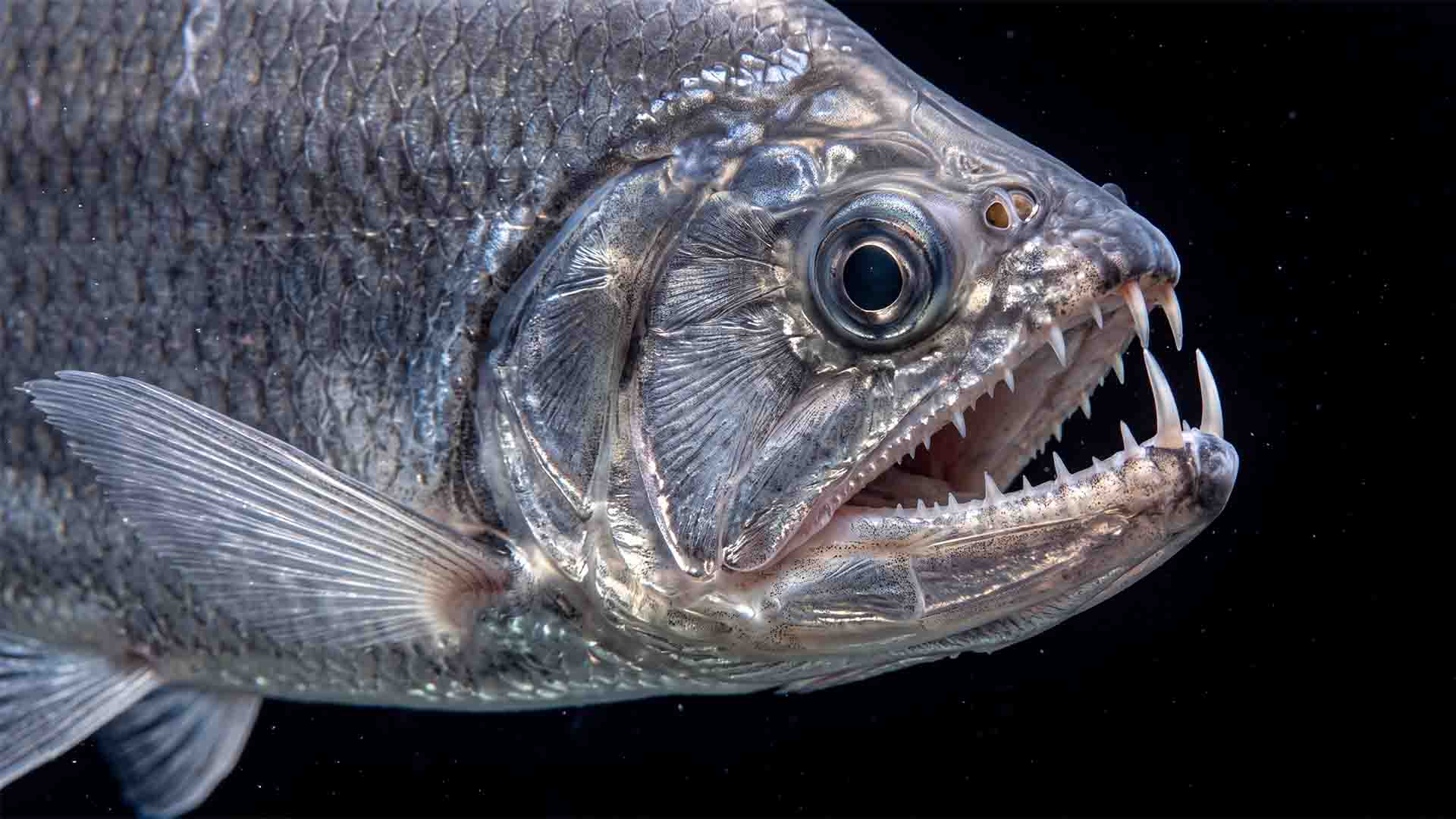
Few freshwater fish look more intimidating than the Payara (Hydrolycus armatus). Equipped with a pair of massive, needle-sharp lower canine fangs that can reach up to six inches in length, this Amazonian predator actually possesses specialized cranial cavities in its upper snout just to house its fangs when the jaw snaps shut. In the fast-moving rapids of South America, the Payara uses lightning burst speeds to impale schooling characins mid-current.
In the state of Texas, however, keeping Hydrolycus armatus is strictly prohibited under TPWD Chapter 57. The legal ban is not about aquarium aggression; it is about thermal hydrology. Southern rivers like the Rio Grande and the Guadalupe maintain warm, oxygenated tailraces below dams throughout the winter. If an overgrown Payara escapes or gets dumped by an overwhelmed keeper, its rheophilic ambush biology allows it to colonize fast-flowing river canyons, where it would ruthlessly decimate native Largemouth Bass and Guadalupe Bass populations.
2. Giant Wolf Fish (Hoplias aimara) – Erythrinidae Banned Family & Benthic Dominance
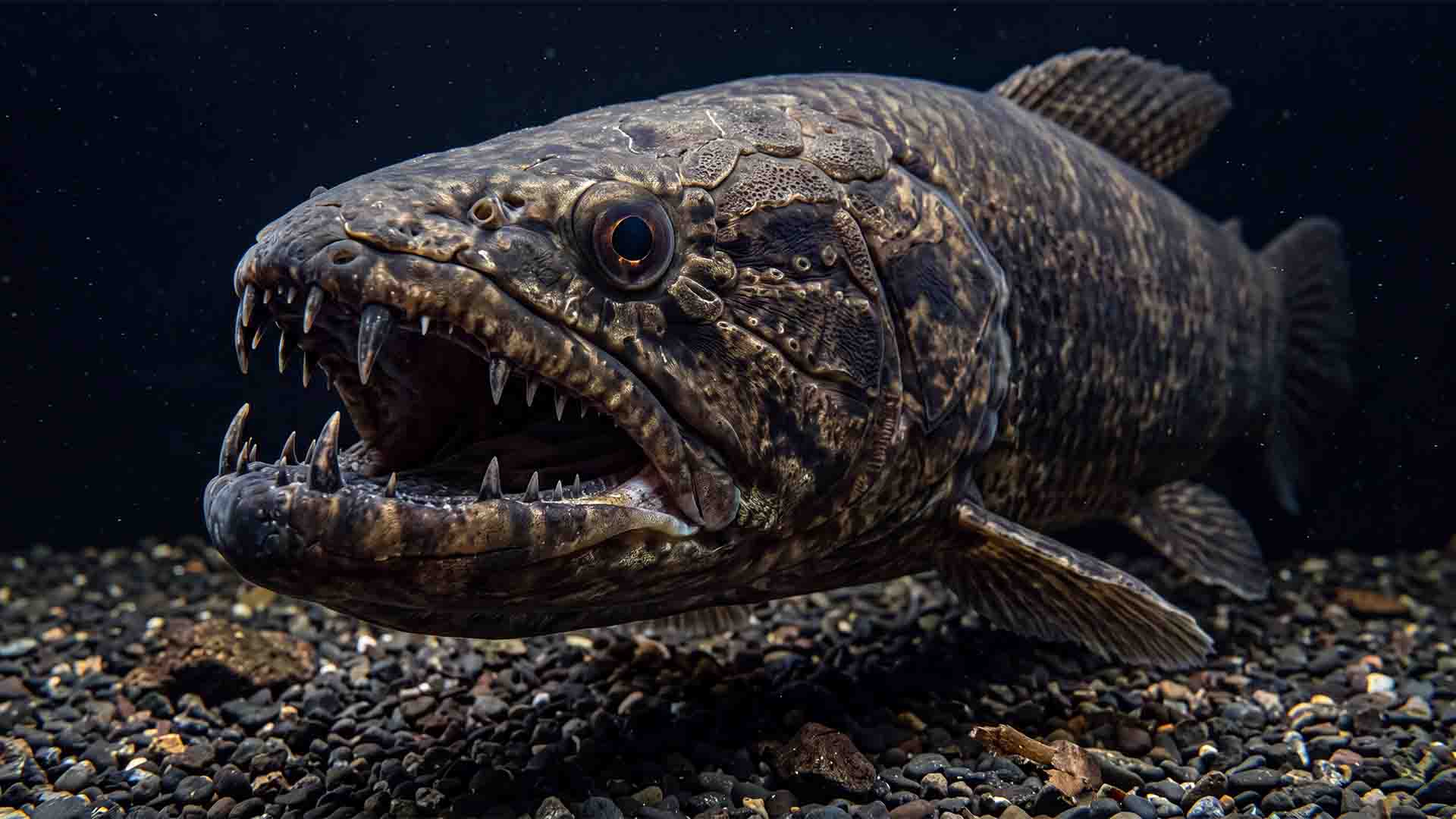
The Giant Wolf Fish (Hoplias aimara) is an evolutionary battering ram. Encased in heavy, ossified cranial armor and armed with thick, interlocking conical teeth, this benthic apex predator does not hunt by pursuit—it stalks by absolute positional dominance. In closed tanks, an adult Aimara will launch itself at siphon tubes, heaters, and aquarium glass, striking with enough blunt kinetic energy to crack standard panels. Keeping one alongside other livestock is impossible, an issue we documented when exploring how monster fish destroy aquariums through unprovoked territorial warfare.
Because of this savage resilience, states like California (CDFW Title 14), Florida, and Texas completely ban the entire Erythrinidae family. Hoplias aimara can tolerate low-oxygen backwaters by gulping air and remains active across broad temperature ranges. If introduced into subtropical drainage ditches or canal systems, an escaped Wolf Fish would establish unbreakable benthic dominance, annihilating native panfish, crawfish, and juvenile sportfish with zero natural competitors.
3. Golden Dorado (Salminus brasiliensis) – Florida FWC Rule 68-5 & River Colonization
Often referred to as the River Tiger of South America, the Golden Dorado (Salminus brasiliensis) is a pelagic open-water characin built like a silver-and-gold torpedo. Unlike ambush predators that strike and rest, the Dorado is a continuous-swimming, high-metabolism pursuit hunter. It relies on massive jaw closing force and dense rows of razor-sharp teeth to crush migratory prey in heavy currents.
In Florida, keeping a Golden Dorado without strict commercial exhibition permits is illegal under FWC Rule 68-5. The Sunshine State features thousands of miles of interconnected limestone spring runs, clear rivers, and drainage canals that perfectly replicate the Paraná River basin. If Golden Dorado establish wild populations in Florida, their fast-twitch predatory drive would permanently alter native food webs, consuming massive biomass volumes of native sunfish and driving endemic darters toward regional extinction.
4. Electric Eel (Electrophorus electricus / voltai) – 860-Volt Biohazard & Exotic Permit Classes
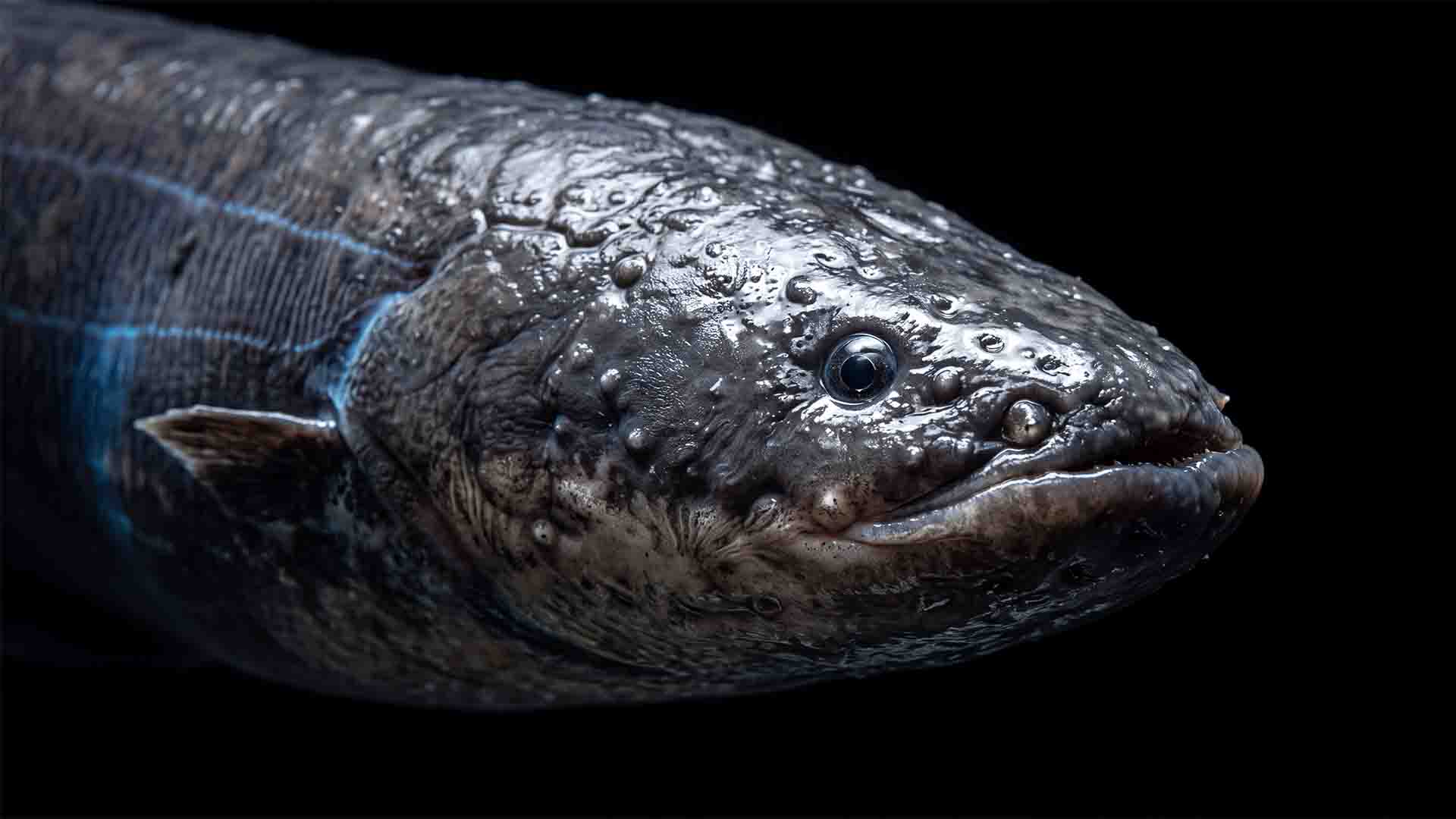
The Electric Eel is not a true eel, but a specialized gymnotiform knifefish capable of generating biological currents that dwarf domestic electrical sockets. Recent taxonomic revisions revealed that Electrophorus voltai can discharge lethal bursts exceeding 860 volts at nearly one ampere of electrical current. It accomplishes this through thousands of specialized myogenic electrocyte cells stacked in series along its body, functioning like a living high-voltage capacitor bank.
Most states classify Electrophorus under Class I or Class II dangerous exotic wildlife codes. Owning one requires specialized containment vaults, professional commercial liability insurance, and veterinary inspection sign-offs. Putting your bare arm into an aquarium containing an adult Electric Eel to adjust a heater can induce involuntary muscle locking, acute cardiac arrhythmia, and immediate drowning. Outside the glass, an accidental release creates catastrophic public safety biohazards for swimmers, pets, and wading wildlife.
5. Climbing Perch (Anabas testudineus) – Overland Spreading & Choking Native Bass
Small, unassuming, and covered in mottled brown scales, the Climbing Perch (Anabas testudineus) looks like a harmless wild baitfish. That plain exterior hides one of the most destructive physiological kits in freshwater biology. Anabas testudineus possesses an auxiliary suprabranchial labyrinth organ that allows it to pull oxygen straight out of the atmosphere. During heavy rains, it uses its rigid, spined pectoral fins and sub-opercular gill plates to literally drag itself across wet turf, roads, and land barriers to reach isolated wetlands.
State wildlife departments across the American South strictly blacklist the Climbing Perch because of its anti-predator defense mechanism. When an apex gamefish like a Largemouth Bass or a predatory bird swallows an Anabas, the Climbing Perch flares its extremely sharp, serrated opercular spines outward at a ninety-degree angle. The spines mechanically wedge into the predator’s throat, choking it to death and suffocating native wildlife from the inside out.
6. Nile Perch (Lates niloticus) – The Lake Victoria Extinction Engine
The Nile Perch (Lates niloticus) represents the absolute extreme of predatory freshwater mass. Reaching lengths over six feet and tipping the scales at more than four hundred pounds, this massive centropomid hunter uses an expansive, vacuum-like mouth gape to swallow adult fish whole. In ecological history, the introduction of the Nile Perch into Africa’s Lake Victoria triggered the single greatest vertebrate extinction event of the twentieth century, systematically wiping out more than two hundred unique cichlid species.
In the United States, possessing or releasing a Nile Perch is heavily criminalized under state environmental codes. There is no domestic home aquarium on earth that can humanely or structurally house a fish that grows into a quarter-ton biological tank. If introduced into massive southern reservoirs like Lake Okeechobee or Lake Mead, the Nile Perch would operate as an unstoppable apex extinction engine, permanently collapsing multi-million dollar sport fishing economies.
7. Zander (Sander lucioperca) – Federal Lacey Act 50 CFR Part 16 & Walleye Hybridization
The Zander (Sander lucioperca) is Europe’s premier freshwater predator, closely related to the North American Walleye (Sander vitreus). Equipped with large, vampire-like anterior canine teeth, incredible swimming speed, and specialized tapetum lucidum eyes that offer forensic vision in pitch-black waters, the Zander is an exceptionally efficient hunter. However, under the federal Lacey Act (50 CFR Part 16), importing, transporting, or acquiring live Zander is a major federal crime.
The federal ban exists to protect native American fisheries from biological and genetic replacement. Unlike tropical predators that perish in winter, the Zander evolved across frozen Eurasian steppes. It can easily overwinter beneath thick ice sheets across the Great Lakes and the northern Mississippi basin. If established, Zander would not only starve out native Walleye and Yellow Perch through aggressive resource competition, but they would also hybridize with native stocks, corrupting indigenous genetic lineages beyond repair.
8. Wels Catfish (Silurus glanis) – Sub-Zero Megafauna Colonization
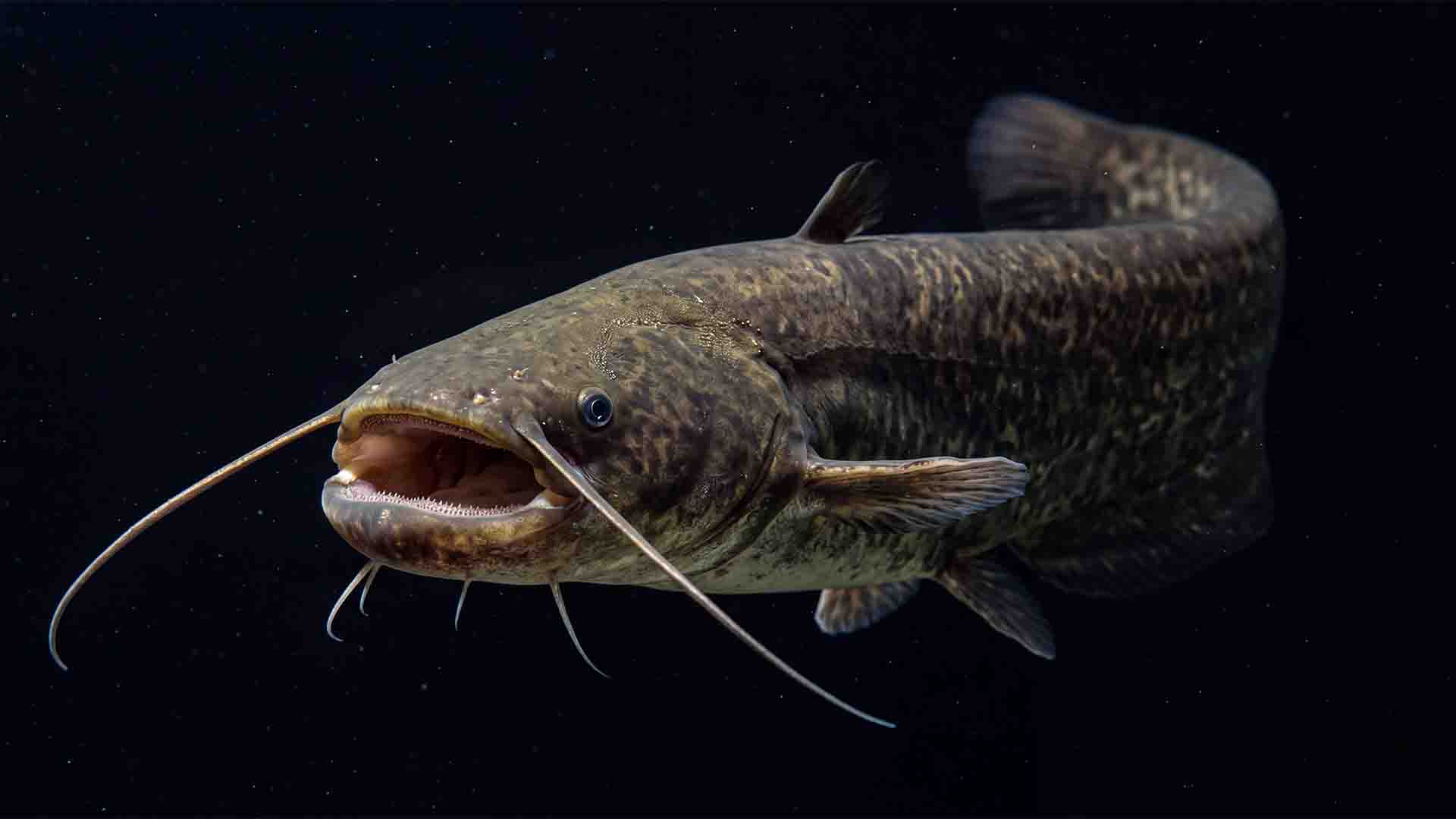
Reaching verified lengths over nine feet and weights surpassing three hundred pounds, the Wels Catfish (Silurus glanis) is the undisputed megafaunal titan of European river basins. Armed with a wide, shovel-shaped skull, flexible sensory barbels, and massive pads of inward-pointing villiform teeth, the Wels Catfish consumes anything that fits into its cavernous maw: fish, amphibians, waterbirds, and small mammals dragged from the water line.
Federal biosecurity laws classify Silurus glanis as a severe ecological threat. Its broad eurythermal tolerance means it could colonize practically any watershed in North America, from the sub-zero river currents of the St. Lawrence to the warm, sluggish canals of the California Delta. Because an adult Wels faces zero natural predators in North America, an established population would fundamentally break native river balances, transforming complex multispecies waterways into near-monoculture catfish habitats.
9. Goliath Tigerfish (Hydrocynus goliath) – Texas Restrictions & Strike Physics
Endemic to the turbulent depths of the Congo River basin, the Goliath Tigerfish (Hydrocynus goliath) is built for raw, high-velocity violence. It features thirty-two massive, razor-edged, exposed dagger teeth that interlock outside its lips like a bear trap. Unlike piranhas that saw off chunks of meat, Hydrocynus goliath attacks open-water prey at blistering sprint speeds, cleanly cleaving adult fish in half with a single hydraulic bite.
In states like Texas, possessing Hydrocynus goliath without specialized scientific permits violates Chapter 57 exotic species statutes. While tropical river monsters often struggle with captive water chemistry, their strike velocity makes them a catastrophic threat to closed glass tanks and native waterways alike. If you are intrigued by large, toothy predatory aesthetics but refuse to risk administrative citations or shattered glass, explore our curated breakdown of realistic monster aquarium fish alternatives built for domestic glass.
10. Asian Carp Complex (Hypophthalmichthys & Mylopharyngodon) – The 250,000 USD Felony
The Asian Carp complex—specifically the Silver Carp (Hypophthalmichthys molitrix), Bighead Carp (Hypophthalmichthys nobilis), and Black Carp (Mylopharyngodon piceus)—represents the single most economically devastating aquatic invasion in United States history. Possessing, importing, or moving these species alive across state lines is an immediate federal felony prosecuted aggressively under 18 U.S.C. 42 of the Lacey Act, backed by statutory penalties reaching 250,000 USD and federal prison sentences.
These fish do not destroy waterways with predatory teeth; they destroy them through microscopic filtration momentum. Silver and Bighead Carp consume astronomical volumes of phytoplankton and zooplankton daily, stripping the primary food chain clean and starving out juvenile native gamefish like Paddlefish, Bass, and Crappie. Capable of growing past sixty pounds and leaping ten feet into the air when startled by boat outboards, they break bones, damage commercial vessels, and turn American waterways into hazardous biological dead zones. When wildlife marshals inspect aquatic facilities, finding a single live specimen on this blacklist brings immediate catastrophic legal consequences.
Data-Driven Biosecurity Matrices: State Wildlife Codes vs. Federal Lacey Act
Aquatic biosecurity law in the United States does not care about your intentions, your filtration investment, or how long you have maintained an aquarium. The legal line separating an unpermitted regional misdemeanor from an armed federal raid comes down to taxonomy, jurisdictional geography, and crossing state boundaries. When game wardens inspect an unpermitted holding facility or intercept an interstate livestock parcel, citations scale according to ecological threat vectors. The following reference matrices break down the exact statutory codes, biological risk mechanisms, and criminal escalation thresholds governing prohibited freshwater species in the United States.
Prohibited US Aquarium Fish: Jurisdictional Matrix & Biological Threat Vectors
Every species blacklisted by state wildlife commissions or the United States Fish and Wildlife Service (USFWS) is banned for a distinct biological mechanism. Tropical predators threaten southern subtropical river basins, while Eurasian teleosts possess coldwater overwintering kinetics capable of permanently colonizing northern lakes.
| Species (Scientific Name) | Primary Legal Jurisdiction | Statutory Code / Regulation | Ecological Threat Vector | State / Federal Penalty Tier |
|---|---|---|---|---|
| Payara (Hydrolycus armatus) | Texas Parks & Wildlife Department (TPWD) | Texas Admin. Code Title 31, Part 2, Ch. 57 | Rheophilic hyper-predation in warm tailraces; decimates native bass stocks. | Class C Misdemeanor; mandatory confiscation and animal forfeiture. |
| Giant Wolf Fish (Hoplias aimara) | California (CDFW), Florida (FWC), Texas (TPWD) | CA Title 14 § 671 / FL Rule 68-5 / TX Ch. 57 | Benthic dominance; atmospheric air-gulping tolerance; obliterates bottom fauna. | First-degree criminal misdemeanor; statutory fines up to 1,000 USD per specimen. |
| Golden Dorado (Salminus brasiliensis) | Florida Fish & Wildlife Conservation (FWC) | FL Admin. Code Rule 68-5.004 | Pelagic open-water sprint hunting; colonizes interconnected spring-fed runs. | Second-degree misdemeanor; mandatory revocation of commercial permits. |
| Electric Eel (Electrophorus spp.) | State Dangerous Wildlife (Multi-State) | State Exotic Wildlife Class I / II Permits | 860-volt biohazard; induces muscle paralysis, cardiac arrest, and drowning. | Unpermitted possession misdemeanor; hazardous public safety civil citations. |
| Climbing Perch (Anabas testudineus) | Southern US Wildlife Commissions | Prohibited Injurious Aquatic Species Lists | Overland terrestrial crawling; opercular spines mechanically choke native gamefish. | Class B Misdemeanor; mandatory eradication and containment orders. |
| Nile Perch (Lates niloticus) | Federal & Southern State Blacklists | Invasive Megafauna Exclusion Statutes | Massive biomass consumption; triggers total vertebrate trophic collapse. | Misdemeanor possession; environmental restitution fines exceeding 5,000 USD. |
| Zander (Sander lucioperca) | Federal (USFWS) / Lacey Act | 18 U.S.C. 42 / 50 CFR § 16.13 | Sub-ice overwintering; genetic introgressive hybridization with native Walleye. | Federal Class D Felony; statutory fines reaching 250,000 USD and prison sentences. |
| Wels Catfish (Silurus glanis) | Federal (USFWS) / Lacey Act | 50 CFR Part 16 Injurious Wildlife List | Continental eurythermal tolerance; apex river megafauna consuming all vertebrate taxa. | Federal Class D Felony; commercial vessel and transport vehicle seizure. |
| Goliath Tigerfish (Hydrocynus goliath) | Texas (TPWD), Florida (FWC) | Controlled Exotic Species Blacklists | Blistering pursuit speeds; exposed dentition shatters captive gear and native biomass. | State criminal misdemeanor; administrative fines and wildlife restitution. |
| Asian Carp Complex (Hypophthalmichthys spp.) | Federal Lacey Act / Multi-State Compact | 18 U.S.C. 42 Injurious Wildlife Statute | Microscopic planktonic starvation of native fish; waterway navigation hazards. | Federal Felony indictment; 250,000 USD individual fine; 500,000 USD corporate fine. |
Statutory Escalation: State Misdemeanors vs. Federal Lacey Act Felonies
Most hobbyists do not understand how an innocent aquarium purchase transforms into a federal criminal case. The difference lies entirely in geographical movement and interstate commerce. When an exotic predator remains within a single state where it is illegal, the crime is processed under state conservation law. The moment that animal crosses a state border, enters the United States postal network, or travels via commercial freight, the federal Lacey Act automatically triggers.
| Action / Violation Stage | Governing Legal Body | Legal Classification | Enforcement Mechanism | Direct Penalties & Outcomes |
|---|---|---|---|---|
| Unpermitted In-State Possession (Buying locally within a banned state) | State Wildlife Officers / Game Wardens | State Criminal Misdemeanor (Class B or C) | Administrative inspection, voluntary surrender, or home search warrant. | 500 to 2,000 USD statutory fines, permanent specimen seizure, court costs. |
| Interstate Purchase & Shipping (Ordering across state lines online) | USFWS Office of Law Enforcement | Federal Lacey Act Violation (18 U.S.C. 42) | Logistics manifest tracking, parcel interception, coordinated multi-agency raid. | Class D Felony charge, personal fines up to 250,000 USD, up to 5 years federal prison. |
| Falsifying Shipping Labels (Labeling prohibited fish as “Live Plants”) | USFWS & Postal Inspection Service | Federal Mail Fraud & Lacey Act False Labeling | Postal xray audits, electronic shipping manifest cross-checks, forensic necropsy. | Separate felony mail fraud counts, compounding statutory penalties, gear forfeiture. |
| Deliberate Environmental Release (Dumping an overgrown fish into a lake) | State Biosecurity & Federal Task Forces | Ecological Depredation & Biosecurity Crime | Environmental DNA (eDNA) tracing, surveillance cameras, citizen reward hotlines. | Felony ecological damage charges, mandatory payment of total state eradication costs. |
Behavioral Traps: What to Avoid When Sourcing Exotic Predators
Hobbyists rarely wake up intending to break federal biosecurity laws. Instead, they fall into cognitive traps driven by retailer marketing, misleading forum threads, and an emotional disconnect from aquatic biology. Understanding these behavioral traps is the only way to safeguard your wallet, your home, and native ecosystems.
1. Avoid Assuming Online Checkout Guarantees Regional Legality
- Why it feels right: The transaction goes through without an error message, an automated order confirmation lands in your email inbox, and the vendor accepts PayPal or a major credit card. A buyer naturally assumes that commercial businesses operate automated compliance filters preventing illegal shipments to restricted states.
- What it silently breaks: Online livestock brokers operate on volume, not regional legal compliance. Buried deep within their website terms of service is a universal indemnification clause stating that the customer assumes total biosecurity and statutory liability for the livestock ordered. When state conservation wardens intercept an uninspected cargo parcel at an air cargo depot, the retailer points directly to that disclaimer. You absorb the armed knock at the door, the administrative citation, and the legal defense fees, while the overseas or out-of-state vendor keeps your payment. For a forensic breakdown of how unregulated livestock brokers exploit this exact loophole, review our report on the deadliest monster fish sold online.
- What you should ask instead: “Have I personally verified this specific scientific name against my state department of natural resources prohibited species list before entering payment information?”
2. Avoid The “Closed Glass” Containment Fallacy
- Why it feels right: The hobbyist tells themselves that state biosecurity laws are overprotective nonsense because the animal will live permanently inside a heavily reinforced, double-filtered glass box in a climate-controlled room. “It is never leaving my house, so how could it possibly hurt a river fifty miles away?”
- What it silently breaks: Aquariums are not isolated hermetic vaults; they are physically connected to regional hydrology through domestic municipal plumbing. Severe flooding events, structural glass fractures, municipal wastewater backflows, and simple drain disposal of untreated filter rinse water regularly bridge the gap between captive living rooms and open watersheds. More critically, human psychology consistently breaks down: when a hyper-aggressive monster fish reaches three feet, consumes eighty dollars of fresh seafood weekly, and attacks the siphon during maintenance, overwhelmed keepers crack under the maintenance burden. For a raw examination of what happens when large predators break physical boundaries, review our case study on how monster fish destroy aquariums through unchecked kinetic energy.
- What you should ask instead: “If this system suffered a catastrophic structural blowout while I was away, does this animal possess the biological machinery to survive in my local watershed?”
3. Avoid Surrendering Prohibited Livestock to Open Waterways
- Why it feels right: Faced with an out-of-control river monster or an impending residential move, a keeper feels that releasing the animal into a local reservoir, canal, or retention pond is a humane, compassionate alternative to euthanasia. They romanticize setting the fish free into nature.
- What it silently breaks: Compassionate release is an ecological crime that introduces novel pathogens, competitive predation, and trophic collapse. A released apex predator does not live peacefully in nature; it either starves to death slowly due to winter thermal shock or establishes an invasive breeding foothold that wipes out native fish. Modern wildlife agencies deploy environmental DNA (eDNA) sampling that detects cellular debris, scales, and mucus from non-native species within hours of introduction. When investigators trace illegal releases back to regional aquarium keepers, courts impose crippling ecological restitution invoices to cover the cost of rotenone eradication treatments.
- What you should ask instead: “What licensed public aquarium, certified exotic wildlife rescue, or university zoological laboratory can provide legal sanctuary before this animal outgrows my containment footprint?”
Action Protocol: Behavior-Matching Legal Swaps for Closed Glass Aquariums
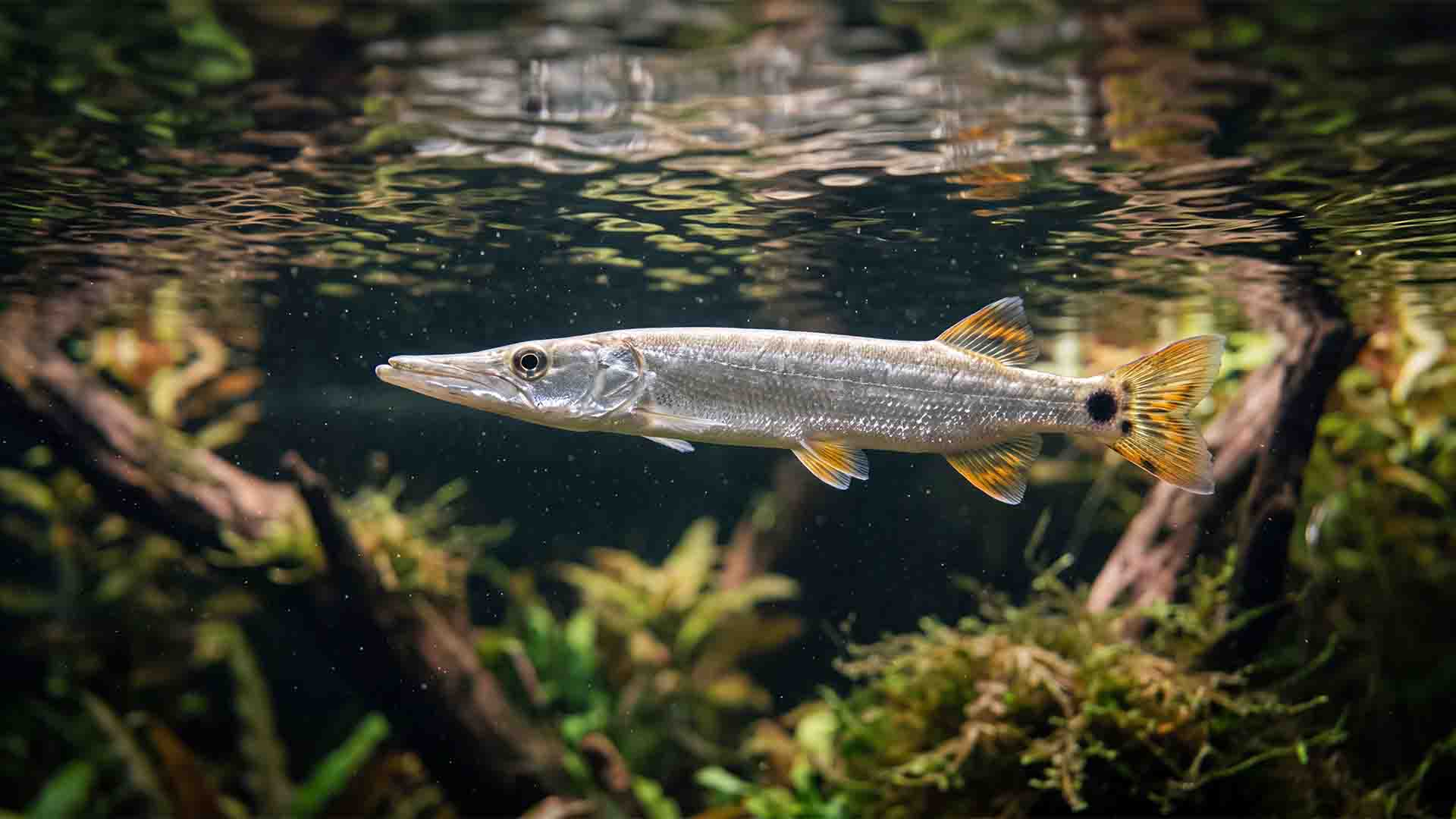
Capturing the thrill of keeping apex predators does not require breaking federal biosecurity laws, risking four-figure wildlife citations, or installing five-hundred-gallon commercial holding vats. In aquatic science, Behavior-Matching Ecology proves that the aesthetic draw of monster fish—lightning ambush strikes, forensic stalking, toothy grimaces, and undulating movement—can be replicated entirely inside standard 55 to 125-gallon aquariums using legal, biologically sustainable teleosts. These four FTM-approved alternatives give you genuine predatory strikes without the legal or structural liabilities.
Swap 1: Freshwater Barracuda (Ctenolucius hujeta) – Replaces Payara & Goliath Tigerfish
If you are captivated by the sleek hydrodynamic profile, exposed dentition, and explosive surface acceleration of the Payara (Hydrolycus armatus) or Goliath Tigerfish (Hydrocynus goliath), stop risking Texas TPWD Chapter 57 misdemeanor citations. The Freshwater Barracuda (Ctenolucius hujeta), also known as the Rocket Gar or Hujeta Pike Characin, delivers the identical open-water hunting dynamic within a package engineered for home glass.
Native to Colombia and Venezuela, Ctenolucius hujeta is an obligate surface piscivore equipped with needle-like conical teeth and an elongated, hydrodynamic snout. They hover motionless just beneath the surface tension, using binocular vision to lock onto targets before striking with blistering velocity. Unlike Payaras that surpass two feet and suffer catastrophic snout trauma when colliding with tank panels, the Freshwater Barracuda caps out at a manageable 8 to 10 inches in captivity. A small group thrives inside a standard 75-gallon aquarium decorated with floating plants and moderate water flow, delivering high-octane feeding strikes with zero legal liabilities.
Swap 2: Spotted Ctenopoma (Ctenopoma acutirostre) – Replaces Giant Wolf Fish
The allure of the Giant Wolf Fish (Hoplias aimara) lies in its dark, brooding territorial presence, heavily armored cranial morphology, and calculated stalking behavior. However, keeping an Aimara means accepting broken heaters, shattered cover glass, and state biosecurity bans across California and Florida. The Spotted Ctenopoma (Ctenopoma acutirostre), or Leopard Bushfish, matches that exact ambush tension without the destructive physical violence.
Hailing from the heavily vegetated waters of the Congo River basin, the Spotted Ctenopoma utilizes complex disruptive camouflage resembling a rotting leaf. It stalks smaller prey with mathematical precision, creeping forward using tiny transparent fin movements until it is within range. Then, its highly protractile jaw expands outward like a vacuum tube, engulfing targets in milliseconds. Reaching a stable adult size of 6 to 8 inches, the Ctenopoma possesses an auxiliary labyrinth organ that allows it to thrive in calm, planted setups. It delivers the menacing presence and predatory stalking of a Wolf Fish while living peacefully alongside robust, deep-bodied tankmates. To explore how to balance aggressive centerpieces with compatible tankmates, review our analysis on the top 10 most aggressive aquarium fish.
Swap 3: Red-Tail Chalceus (Chalceus macrolepidotus) – Replaces Golden Dorado
The Golden Dorado (Salminus brasiliensis) is an open-water pursuit missile banned under Florida FWC Rule 68-5 because its high metabolic sprint hunting devastates river ecology. Attempting to house a Dorado in home glass results in constant pacing, tank collisions, and rapid water quality degradation. The Red-Tail Chalceus (Chalceus macrolepidotus) offers the identical riverine predator aesthetic in a completely legal, captive-friendly framework.
Featuring brilliant metallic silver scales, large predatory eyes, and vibrant crimson dorsal, anal, and caudal fins, the Red-Tail Chalceus looks like a miniature river salmon. They patrol the upper third of the water column, utilizing high-speed surface sprints to pick off insects and smaller fish. Reaching a mature length of 9 to 10 inches, Chalceus provides the continuous open-water movement and predatory striking energy of the Dorado, but their biomass footprint is easily managed by standard canister filtration in a four-foot or five-foot aquarium. For more options on predatory river aesthetics built for domestic glass, consult our guide to monster aquarium fish alternatives.
Swap 4: Black Ghost Knifefish (Apteronotus albifrons) – Replaces Electric Eels
The novelty of an Electric Eel (Electrophorus) comes from its undulating gymnotiform morphology and bio-electric field generation. But housing an animal capable of discharging 860 volts requires commercial vault enclosures and exposes the keeper to severe electrocution hazards. The Black Ghost Knifefish (Apteronotus albifrons) provides that exact evolutionary marvel without the deadly voltage.
Native to South America, the Black Ghost Knifefish produces a continuous, weak electric discharge (measured in millivolts) via a specialized neuro-muscular electric organ located in its tail. It uses this weak electrical field for high-resolution electrolocation and communication in pitch-black waters, navigating forwards and backwards with equal agility using its undulating ventral fin. They cap out between 12 and 16 inches in captive systems, recognize their keepers during hand-feeding, and exhibit incredible aquatic intelligence. You get the authentic bio-electric mystery of a gymnotiform predator without the dangerous public safety permits or risk of cardiac arrest.
Scientific Truths: Eurythermal Physiology, Bio-Electricity & eDNA Interdiction
Aquatic biosecurity enforcement in the United States is not driven by bureaucratic paranoia or arbitrary pet trade restrictions. It is anchored directly in thermal thermodynamics, cellular electrophysiology, and molecular genetics. When wildlife commissions and federal magistrates penalize keepers for housing prohibited teleosts, they are acting on hard empirical data. Understanding the underlying biochemistry explains why certain apex predators represent an irreversible ecological catastrophe if released into North American watersheds.
Truth 1: Eurythermal Overwintering Kinetics and Sub-Ice Survival in Eurasian Teleosts
The fundamental dividing line between manageable tropical aquarium fish and catastrophic biosecurity threats is eurythermal physiological adaptation. Stenothermal tropical predators, such as Amazonian cichlids, depend on strict water temperatures above 72 degrees Fahrenheit. When ambient water temperatures drop below 60 degrees, their cell membrane lipid bilayers undergo phase transitions, turning rigid and halting sodium-potassium ATPase ion pumps, which induces fatal osmotic collapse. Conversely, Eurasian apex predators like the Zander (Sander lucioperca) and Wels Catfish (Silurus glanis) evolved in glacial steppe river systems. They exhibit homeoviscous adaptation, incorporating high ratios of polyunsaturated fatty acids into their cell membranes and synthesizing cold-active enzymes that maintain metabolic kinetics below freezing ice sheets. If introduced into North American rivers, these species do not die during winter; they thrive, spawn, and permanently displace native sportfish. Review the comparative thermal kinetic evaluations published in Fish Physiology and Biochemistry.
Truth 2: Electrocyte Myogenic Action Potentials and High-Voltage Human Hazards
The legal classification of the Electric Eel (Electrophorus voltai) as dangerous exotic wildlife stems from bio-electrochemical mechanics unique to the gymnotiform order. The fish houses three distinct abdominal electric organs: the Main organ, the Hunter organ, and the Sachs organ. These structures are composed of thousands of modified muscle cells called electrocytes, stacked in series like biological batteries. When the eel hunts or defends itself, cholinergic motor neurons trigger simultaneous depolarizations across every electrocyte column, creating an additive electrical burst exceeding 860 volts at up to one ampere of current. In a closed home aquarium, this current travels instantaneously through the water column into the keeper’s arms, arresting myocardial rhythm, causing violent involuntary tetanic muscle spasms, and causing immediate loss of consciousness in the water. Explore the taxonomic and electrophysiological research documented in Nature Communications.
Truth 3: Environmental DNA (eDNA) Surveillance and Forensic Federal Interdiction
Hobbyists who believe they can discreetly dump an overgrown prohibited predator into a public canal without detection are operating on obsolete assumptions. State and federal wildlife agencies do not rely solely on visual game warden patrols; they deploy quantitative polymerase chain reaction (qPCR) environmental DNA (eDNA) surveillance across American watersheds. Every aquatic organism continuously sloughs off cellular material, including epithelial scales, epidermal mucus, and metabolic waste containing mitochondrial DNA. By filtering simple one-liter water samples from downstream collection points, conservation biologists detect species-specific cytochrome c oxidase subunit I (COI) gene sequences at concentrations as low as a single picogram per liter. Once eDNA identifies a prohibited species footprint, federal agents use supply chain manifests and waterflow modeling to trace the point of introduction directly back to local private collections. Examine the molecular surveillance protocols published by the BioScience Journal.
Truth 4: Trophic Cascades and Primary Biomass Starvation by Filter-Feeding Cypriniformes
The federal felony status of the Asian Carp complex (Hypophthalmichthys molitrix and Hypophthalmichthys nobilis) is justified by irreversible disruption to aquatic food webs. Unlike toothy predators that target individual prey fish, bighead and silver carp possess specialized, sponge-like epibranchial gill rakers capable of straining microscopic organisms down to ten micrometers in size. An adult carp consumes up to twenty percent of its total body weight in green phytoplankton and micro-zooplankton every single day. By intercepting biomass at the absolute base of the trophic pyramid, an invading carp population starves out larval native gamefish, including Largemouth Bass, Walleye, and Paddlefish, while stripping native unionid mussels of organic nutrition. The resulting ecosystem becomes a biological desert dominated exclusively by jumping, unmanageable cyprinids. Read the comprehensive trophic impact modeling released through The Journal of Great Lakes Research.
People Also Ask: Legal Realities of Prohibited Aquarium Fish
What fish are completely illegal to own in the United States?
At the federal level under the Lacey Act (18 U.S.C. 42 / 50 CFR Part 16), all species of predatory Snakeheads (family Channidae), Asian Arowanas (Scleropages formosus), live Asian Carp (Bighead, Silver, and Black carp), live Walking Catfish (Clarias batrachus), and European Zander (Sander lucioperca) are strictly prohibited from interstate transport, commercial sale, and importation. At the state level, species like Payara, Wolf Fish, Golden Dorado, and Electric Eels are blacklisted across major jurisdictions including Texas, Florida, and California.
Can you go to federal prison for buying an illegal aquarium fish?
Yes. If you buy, transport, or receive a prohibited aquatic species that crossed state lines through online ordering or courier transit, the transaction falls directly under the federal Lacey Act. Commercial wildlife violations involving blacklisted injurious species with a market value exceeding 350 USD escalate into Class D felonies, carrying maximum penalties of up to five years in federal prison and statutory personal fines reaching 250,000 USD per individual charge.
Why is Payara (Hydrolycus armatus) banned in Texas?
Texas Parks and Wildlife Department (TPWD Chapter 57) blacklists the Payara because of its high-velocity rheophilic ambush predation and thermal durability. Texas contains numerous warm, highly oxygenated river tailraces directly below large reservoirs and dams that maintain survivable winter water temperatures. If Payaras escape or get illegally dumped, their predatory mechanics allow them to establish dominance in deep river currents, decimating prized native gamefish like the Guadalupe Bass.
Is it legal to own an Electric Eel in a home aquarium?
In the vast majority of US states, private ownership of an Electric Eel (Electrophorus) is heavily regulated or outright banned. Because an adult specimen generates over 860 volts of bio-electricity—enough to trigger sudden cardiac arrest and drowning—states categorize them as Class I or Class II dangerous exotic wildlife. Legal ownership requires commercial zoological exhibition permits, secure facility vault containment, and multi-million-dollar general liability insurance policies.
Why are Zander and Wels Catfish banned under the federal Lacey Act?
Zander and Wels Catfish are coldwater Eurasian megafauna that evolved in freezing continental environments. Unlike tropical fish that die during North American winters, Zander and Wels Catfish can survive beneath thick ice sheets across the Great Lakes and Mississippi river basins. The Zander poses an immediate hybridization and competitive extinction threat to native American Walleye, while the Wels Catfish grows to over nine feet, functioning as an unstoppable apex predator consuming waterfowl, sportfish, and small mammals.
What happens if Game Wardens find an illegal fish in your tank?
If state conservation officers or federal USFWS marshals discover an unpermitted or blacklisted fish in your aquarium, they execute an immediate administrative seizure of the animal. You receive criminal misdemeanor citations or federal felony notices depending on transit jurisdiction, face statutory fines ranging from 500 USD to 250,000 USD, and forfeit all seized livestock without financial compensation. Additionally, you may be billed for state quarantine, genetic testing, and humane euthanasia disposal costs.
Frequently Asked Questions (FAQ)
What is the difference between a state wildlife violation and a federal Lacey Act felony?
A state wildlife violation occurs when an aquarist possesses, breeds, or trades a restricted fish entirely within the borders of that specific state (such as possessing a Wolf Fish in California under CDFW Title 14). This is typically charged as an administrative infraction or criminal misdemeanor resulting in local fines and specimen confiscation. A federal Lacey Act violation occurs the moment that fish crosses state borders, is shipped via interstate mail, or involves commercial transactions. Interstate movement invokes federal law (18 U.S.C. 42), elevating the offense to a federal felony investigated by the Department of Justice and the US Fish and Wildlife Service.
Can an online vendor be held legally responsible if they ship an illegal fish to my home?
No. Commercial livestock websites routinely embed mandatory indemnification clauses in their terms and conditions, legally shifting all biosecurity and wildlife compliance responsibilities directly onto the buyer. While federal authorities can prosecute commercial vendors for systematic interstate trafficking, the individual who purchased the animal remains fully criminally liable for illegal possession, import, and receipt under both state codes and the federal Lacey Act. Claiming that the website allowed the transaction is not an admissible legal defense in wildlife court.
Are there any legal permits available for private hobbyists to keep banned fish?
Standard residential aquarium hobbyists cannot acquire permits for blacklisted or injurious wildlife species. State wildlife departments (such as Texas TPWD and Florida FWC) and the federal USFWS issue exotic and injurious wildlife holding permits exclusively to accredited zoological institutions (AZA), licensed public aquariums, and approved university research laboratories conducting verified scientific studies. Private home display, personal enjoyment, or private breeding does not meet statutory requirements for permit issuance.
What is the safest way to humanely surrender an unpermitted predatory fish?
If you currently possess an illegal, restricted, or oversized predatory fish, never release it into any river, pond, or storm drain. Contact your state wildlife agency and inquire about amnesty days (such as the Florida FWC Exotic Pet Amnesty Program), which allow private owners to surrender unpermitted exotic animals without criminal prosecution or fines. Alternatively, contact local public aquariums, accredited zoological parks, or non-profit aquatic rescue sanctuaries that possess the legal standing and commercial facilities to care for dangerous apex predators safely.
Which predatory fish deliver authentic monster feeding strikes legally?
If you want aggressive, high-velocity predatory feeding behavior inside standard closed glass aquariums, choose behavior-matching legal alternatives: the Freshwater Barracuda (Ctenolucius hujeta) for open-water surface ambush strikes, the Spotted Ctenopoma (Ctenopoma acutirostre) for calculated stalking and protractile jaw strikes, the Red-Tail Chalceus (Chalceus macrolepidotus) for high-speed riverine surface sprints, or the Black Ghost Knifefish (Apteronotus albifrons) for weak bio-electric navigation without dangerous voltage.
Build Your Aquarium Biosecurity & Containment Network (Hub & Spoke)
Navigating aquatic wildlife laws and maintaining aggressive freshwater predators requires a complete systems approach. Sourcing, housing, and sustaining apex river species cannot be treated as an isolated hobby impulse; it demands an understanding of regulatory boundaries, structural tank limitations, and biological shock mitigation.
To understand the federal legal baseline that governs commercial imports, read our core investigation on illegal aquarium fish in the US, where we break down the historic interdiction raids surrounding Asian Arowanas and predatory Snakeheads. If you are comparing American wildlife restrictions against international standards, explore our comprehensive legal analysis of illegal aquarium fish in the US vs. UK to discover why British climate policies ban common coldwater species that remain fully legal across the United States.
Before purchasing uninspected predatory livestock online, examine the hidden broker networks detailed in our guide to the deadliest monster fish sold online. If you currently house large predatory cichlids or oversized catfish, safeguard your equipment by understanding how monster fish destroy aquariums through unchecked physical force and sudden behavioral shifts. Finally, if you want aggressive predator aesthetics without structural failures or legal liability, study our curated blueprint on monster aquarium fish alternatives built specifically for sustainable home glass.
Scientific References & Legal Literature Review
1. Thermal Kinetics and Homeoviscous Adaptation in Eurasian Teleosts: Research published in Fish Physiology and Biochemistry (Springer) evaluates cellular membrane fluidity and cold-active isozyme expression in temperate predatory fish. The empirical data proves that eurythermal species like Zander synthesize polyunsaturated fatty acid bilayers, enabling normal metabolic feeding beneath frozen ice layers where tropical predators experience fatal membrane rigidification. Read the study.
2. Bio-Electrochemical Voltage Discharge in Electrophorus voltai: Physiological and taxonomic monographs published in Nature Communications document the high-voltage serial electrocyte morphology of the newly classified electric eel species. The analysis confirms burst discharges exceeding 860 volts, establishing an empirical public safety basis for state dangerous exotic wildlife containment mandates. Read the study.
3. Environmental DNA (eDNA) Surveillance in Aquatic Biosecurity Interdictions: Molecular surveillance studies published in BioScience (Oxford Academic) outline the quantitative PCR tracking of mitochondrial COI gene fragments from non-native teleosts in open river drainages. The findings demonstrate that modern conservation agencies detect unauthorized invasive teleost presence within hours of introduction, transforming forensic molecular tracing into primary evidence for wildlife prosecutions. Read the study.
4. Planktonic Biomass Interception and Trophic Cascades by Invasive Filter-Feeding Teleosts: Multi-year ecological modeling published in The Journal of Great Lakes Research (ScienceDirect) details how Asian carp species deplete green phytoplankton and micro-zooplankton via epibranchial filtration rakers. The data illustrates how non-native filter feeders trigger bottom-up trophic collapse, starving out native teleost larvae and destroying commercial freshwater fisheries. Read the study.
Watch Next: Build Your FishTank Mastery Authority Chain
Reading the legal codes and understanding thermal kinetics is only the first step. To see these apex predators in high-velocity hunting sequences and discover how easily their strike mechanics overwhelm residential aquariums, continue your journey through our dedicated predatory biosecurity series:
- 10 Illegal Aquarium Fish in the US (Some Are a FELONY): Dive deep into the federal interdiction cases and armed raids surrounding uninspected snakeheads and Asian arowanas. Watch the federal investigation on YouTube.
- 10 Aquarium MONSTER Fish That DESTROY Tankmates: Discover how rapid growth rates, metabolic biomass spikes, and territorial warfare shatter community tank setups. Watch the monster fish warning on YouTube.
- 7 Pet Store Lies That Are Costing You Money & Fish: Expose the commercial retail tricks and misleading holding vat filters that push fragile or illegal livestock onto unsuspecting hobbyists. Watch the retail truth breakdown on YouTube.
- Banned in the UK: 10 Fish You Can Legally Own in the US: Compare British DEFRA biosecurity laws against American wildlife statutes and discover the thermal paradox of global fishkeeping. Watch the UK vs. US breakdown on YouTube.
Until next time, keep your systems balanced, your species legal, and your curiosity flowing.