
If you are wondering why guppy fish keep dying in clean water, you are not alone. You test your aquarium parameters, see zero ammonia and zero nitrites, yet your expensive $10 fancy guppies melt away within 48 to 72 hours of coming home. This frustrating scenario causes thousands of beginner aquarists to quit the hobby out of unearned guilt. The truth is simple: you did not fail your fish; the commercial livebearer supply chain failed you. Modern store-bought livebearers are produced under conditions that create extreme genetic bottlenecks and severe biological transition shock.
In this comprehensive guide, we tear down retail pet store myths and rank fancy guppy varieties from worst to best based on real biological resilience, genetic vigor, and osmotic adaptability. Before you purchase your next strain of livebearers, you must understand the hidden physiological stress points that cause store-bought fish to collapse overnight in home aquariums.
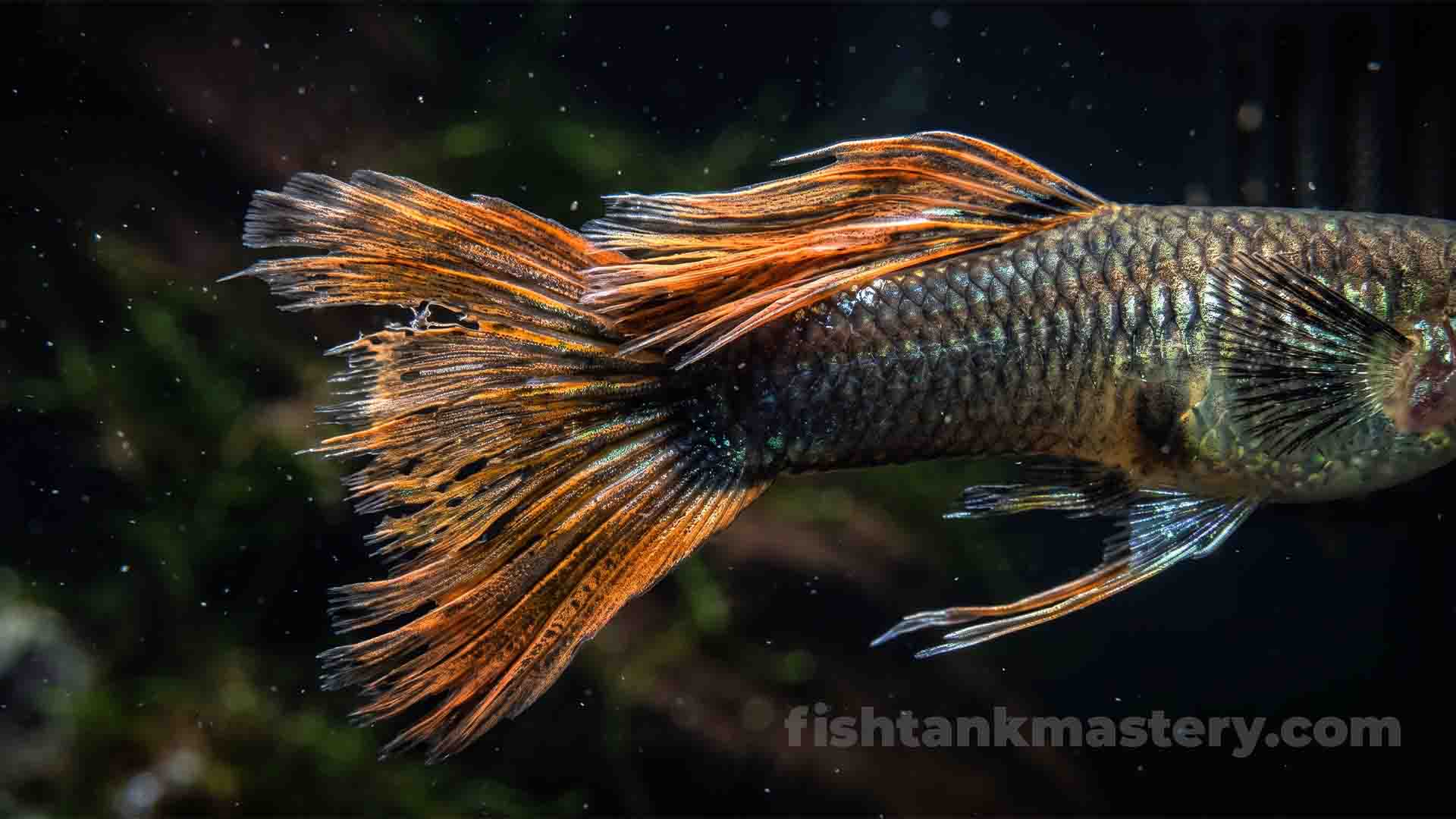
Caption: Store-bought fancy guppies often suffer from hidden supply chain stress and cellular osmotic shock, causing them to melt away overnight even in clean water.
The Retail Livebearer Trap: Why Store-Bought Guppies Melt in Perfect Water
The biggest illusion in modern fishkeeping is the belief that zero ammonia, zero nitrite, and low nitrates equal a safe environment for new livebearers. While clean water chemistry is essential, it only measures dissolved inorganic compounds—it completely ignores the biological stress history of the fish. When you buy a fancy guppy from a big-box retail chain or local pet store, you are taking an organism out of a heavily guarded commercial fortress and dropping it into a developing home ecosystem.
Commercial fish farms in Southeast Asia and Florida raise millions of guppies in massive outdoor ponds or indoor raceways treated with continuous low-dose prophylactic antibiotics, antifungal agents, and constant water turnover. These fish are bred for maximum color and fin length, often at the expense of immune system development. By the time they reach a retail store display tank, their biological buffers are stretched to the absolute limit.
Centralized UV Systems vs. Unsterilized Home Aquariums
Retail pet store display systems rely on massive centralized filtration sumps equipped with heavy-duty ultraviolet (UV) sterilizers. These industrial UV units continuously blast the circulating water, suppressing free-swimming parasites, bacterial pathogens, and fungal spores. As a result, delicate line-bred fancy guppies look vibrant, active, and healthy in the store display tanks despite possessing compromised immune systems.
The moment you net that fish, bag it, and release it into an unsterilized home aquarium, the protective sterile shield vanishes. Your home aquarium is a living biological system inhabited by naturally occurring aquatic bacteria such as Flavobacterium columnare and opportunistic parasites. To a healthy, wild-type fish, these micro-organisms are harmless. But to an exhausted fancy guppy experiencing a thinned slime coat from transport stress, the unsterilized home tank becomes a biological minefield. The fish’s immune response collapses, leading to rapid fin rot, systemic bacterial hemorrhaging, or columnaris within three days of landing.
The 14-Day Supply Chain Shock Timeline
To understand why fancy guppies die suddenly, you must trace the invisible physiological toll taken during their commercial journey. A store-bought guppy undergoes a brutal multi-stage transport sequence before arriving in your living room:
- Days 1–3 (Harvest & Crowding): Fish are netted from breeding ponds, sorted by strain, starved to prevent waste accumulation during transit, and packed into plastic bags with oxygen and sedatives.
- Days 4–6 (Export & Wholesale Transshipment): The fish undergo international flight transport, experiencing dramatic temperature drops, severe pH swings, and ammonia toxicity within shipping bags.
- Days 7–10 (Retail Sump Landing): Arriving at wholesale warehouses and retail pet stores, the guppies are dumped into high-turnover sumps. They are exposed to mixed pathogens from hundreds of other holding tanks.
- Days 11–14 (Home Aquarium Landing): Netting, bagging, transport home, and rapid acclimation precipitate a total cellular collapse. The fish’s liver, kidneys, and gills fail under chronic cortisol elevation.
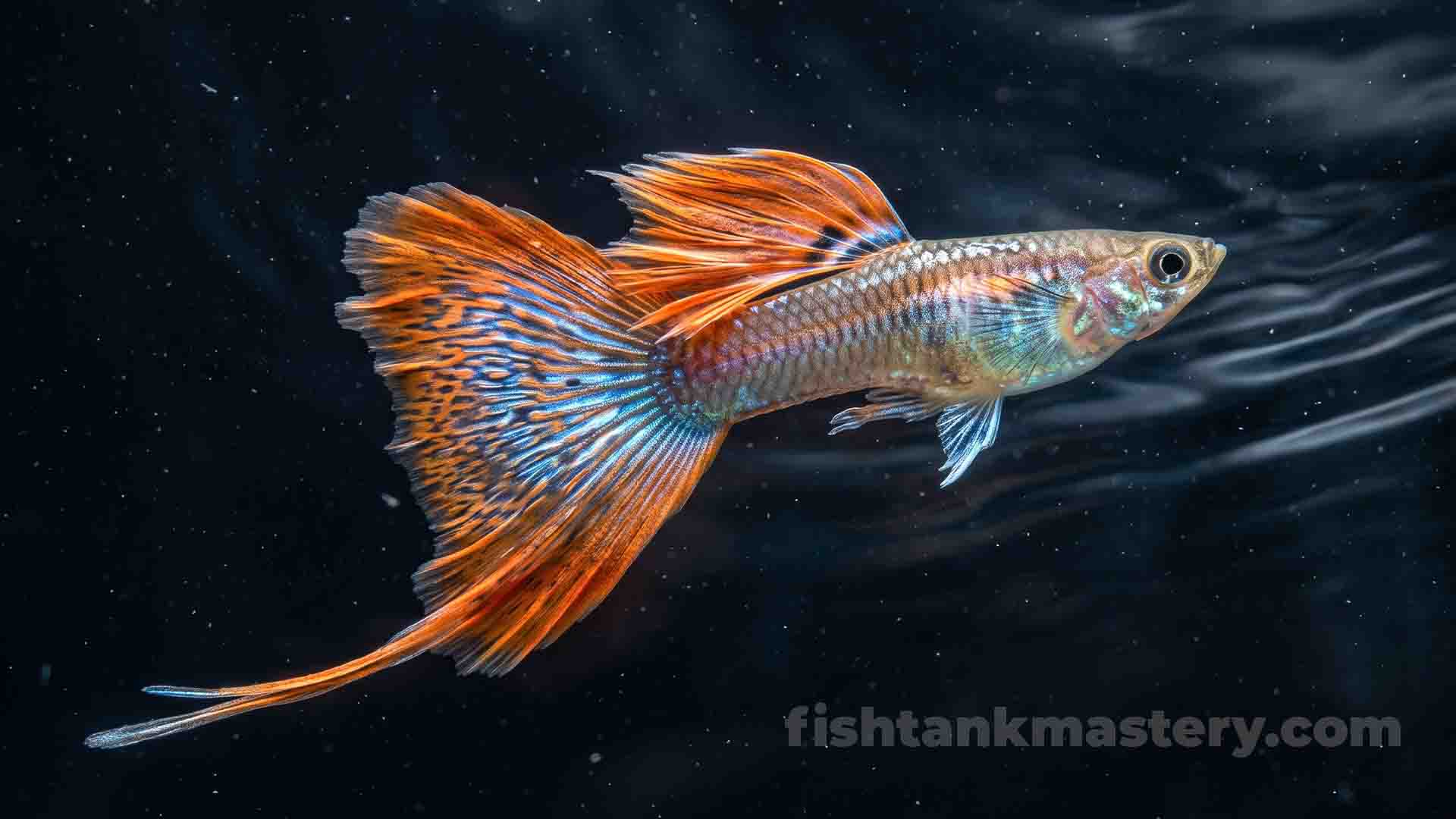
Caption: Extreme fin mutations like Ribbon Tails create severe hydrodynamic drag, exhausting the fish as it fights standard aquarium filter currents.
The Worst Fancy Guppy Strains (High Mortality & Genetic Vulnerability)
Not all fancy guppies are created equal. Decades of selective line-breeding for extreme physical traits have created genetic mutations that actively impair the fish’s basic biological survival mechanisms. When shopping at commercial pet stores, avoid these four highly vulnerable varieties if you want a stable, casualty-free freshwater aquarium.
1. Ribbon Tail Guppy: Physical Exhaustion Fighting Filter Currents
Ribbon Tail guppies (and long-finned Swallow Tail varieties) feature elongated pelvic, anal, and caudal fins resulting from extreme genetic mutation. While visually striking, these oversized fin structures create massive hydrodynamic drag coefficients underwater. In simple terms, swimming with a ribbon tail is the biological equivalent of a human trying to sprint a marathon wearing a wet winter coat.
In standard home aquariums equipped with powerheads, hang-on-back (HOB) filters, or internal power filters, the water flow creates continuous turbulence. A standard short-finned guppy navigates currents effortlessly. A Ribbon Tail guppy, however, must burn immense metabolic energy simply to maintain its position in the water column. Within 48 hours, the fish experiences severe lactic acid buildup, muscular fatigue, and systemic physical exhaustion. Exhausted fish rest on the substrate or pin themselves against filter intake sponges, where opportunistic bacteria quickly invade their frayed fin tissues.
2. Balloon Body Guppy: Internal Organ Compression & Fatal Bloat
Balloon Body guppies are line-bred for a shortened, severely curved spine that produces a round, compressed abdomen. This structural deformity is not a harmless cosmetic feature—it fundamentally alters the fish’s internal anatomy. The shortened vertebral column forces the stomach, intestinal tract, liver, and swim bladder into a tightly compressed body cavity.
This anatomical compression creates three deadly biological failure points:
- Chronic Swim Bladder Impairment: The compressed swim bladder cannot properly regulate internal gas expansion, causing the fish to float sideways or struggle to submerge.
- Gastrointestinal Blockage: Dry commercial flake foods expand upon contact with digestive fluids. In a compressed balloon body intestine, expanded food causes immediate impact, fatal bloat, and constipation.
- Mechanical Pressure on Reproductive Organs: Gravid female balloon guppies frequently die during labor because mature embryos exert crushing physical pressure on surrounding vital organs.
3. Albino Full Red Guppy: Cellular Osmoregulation Collapse in Soft Tap Water
Albino Full Red guppies represent the pinnacle of intensive line-breeding. The albino mutation eliminates melanin pigmentation, exposing red pteridine pigments while rendering the fish’s eyes completely pink or red. However, this genetic line suffers from severe inbreeding depression and metabolic weakness.
Albino strains possess extremely sensitive cellular membranes and compromised ion-exchange channels within their gill lamellae. Commercial breeders typically raise these high-end strains in soft, reverse-osmosis (RO) water enriched with specific mineral balances. When an average hobbyist introduces an Albino Full Red into hard, unbuffered municipal tap water or unconditioned soft water, the fish experiences total cellular osmoregulation collapse. Water molecules flood or strip the fish’s cellular tissues faster than its kidneys can process, resulting in osmotic shock, gill tissue hemorrhaging, and sudden death within 24 hours.
4. Chain-Store Mixed Guppies: The Columnaris Trojan Horse
The generic “Assorted Fancy Guppy” or “Mixed Male Guppy” tank at large chain pet stores is the ultimate biological gamble. These tanks act as holding pens for low-tier commercial culls gathered from dozens of different breeding farms. Because these tanks experience continuous customer netting, fish additions, and shared plumbing water, they function as biological Trojan Horses.
Mixed guppy tanks are frequently infected with Flavobacterium columnare (Columnaris) and Tetrahymena (Guppy Disease). While the store’s UV sterilizers and low water temperatures keep the bacterial load dormant, the fish carry these pathogens asymptomatically in their mucous membranes. The moment you introduce a chain-store mixed guppy into your warm community tank, transport stress activates the dormant bacterial infection. Within 72 hours, the host displays white saddleback lesions, cotton-like mouth rot, and rapid gill necrosis—wiping out not only the new addition but your existing fish population as well.
Understanding the failure mechanisms of fragile strains is only half the battle. To stop livebearers from crashing in your aquarium, you must choose strains engineered by nature—or balanced line-breeding—for high immune response, swimming efficiency, and cellular osmotic tolerance.
Retail Supply Chain Shock vs. Biological Impact
Before introducing new livebearers, review how commercial transport degrades fish physiology. The table below outlines the invisible cascade that occurs between the commercial farm and your home tank:
| Transport Phase | Primary Environmental Stressor | Physiological & Biological Response | Acclimation Counter-Action |
|---|---|---|---|
| 1. Export Packaging | Severe crowding, darkness, starvation, accumulation of waste in shipping bags. | Spike in plasma cortisol levels; mucous coat thins dramatically; cellular respiratory stress. | Add pure electrolyte mineral buffer prior to unbagging. |
| 2. Transshipment Flight | Temperature drops, severe pH shifts, building un-ionized ammonia ($NH_3$). | Gill lamellae inflammation, reduced blood oxygen-carrying capacity, osmotic imbalance. | Perform gradual temperature equalization without dumping shipping bag water into the tank. |
| 3. Retail Central Sump | Exposure to foreign bacterial strains (Flavobacterium) under UV suppression. | Immune system is suppressed while pathogen exposure increases; dormant infection carrier status. | Isolate fish in a dedicated quarantine system; avoid buying from tanks with sick fish. |
| 4. Home Tank Landing | Sudden shift in water hardness (GH/KH) and unsterilized biological load. | Osmotic shock, cellular swelling or dehydration, systemic bacterial invasion within 72 hours. | Implement a 2-hour slow drip acclimation protocol and mild osmotic salt buffering. |
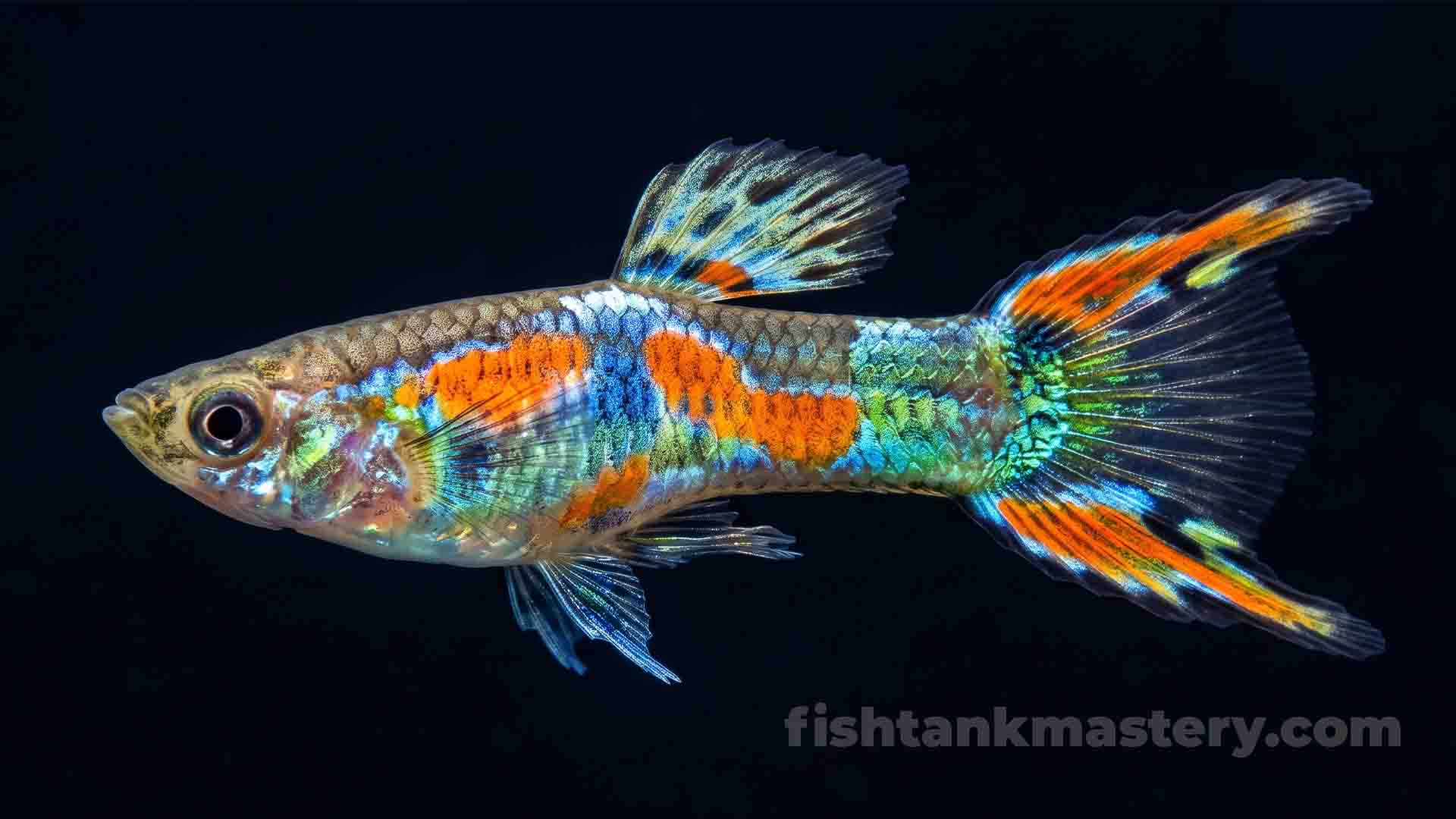
Caption: Endler Hybrids possess unbreakable wild genetic vigor, making them highly resilient to osmotic shifts and common aquarium pathogens.
The Best Resilient Guppy Strains (Unbreakable Genetic Engines)
If you want a vibrant, active livebearer population that thrives for years rather than days, target strains that retain wild-type genetic integrity, short-to-medium fin structures, and natural pigment armor.
1. Tuxedo Guppy: Melanin Armor Against Microbial Attack
Tuxedo guppies are characterized by dark, solid black or deep blue pigmentation along the posterior half of their bodies. This dark coloration is not merely aesthetic—it is produced by high concentrations of melanin pigments embedded within the dermal layers. Melanin provides structural reinforcement to skin tissue and acts as a natural biochemical shield against free radicals and skin micro-abrasions.
Furthermore, standard Tuxedo lines maintain moderate, natural fin proportions. Because they lack the excessive drag of Ribbon or Fan Tail varieties, Tuxedo guppies navigate standard aquarium currents with minimal effort. Their energy reserves remain dedicated to immune surveillance and cellular maintenance rather than constant swimming propulsion, resulting in exceptionally high post-landing survival rates.
2. Cobra Guppy: Wild Pattern Genetics
Cobra guppies (often overlapping with Snake-skin strains) display intricate, rosette-like chain patterns across their bodies and caudal fins. These patterns are direct genetic derivatives of resilient wild-type guppy populations (Poecilia reticulata). Because Cobra strains have not undergone the extreme, hyper-focused line-breeding required for solid, single-color strains (such as Albino Full Reds or Solid Whites), they retain a broader, more diverse genetic pool.
This genetic diversity translates into superior metabolic flexibility. Cobra guppies exhibit robust organ sizing, fully functional swim bladders, and high cellular tolerance for varying General Hardness (GH) and Carbonate Hardness (KH) levels in tap water.
3. Endler Hybrid Guppy: Hybrid Vigor & Osmotic Flexibility
Crossing standard fancy guppies (Poecilia reticulata) with wild Endlers (Poecilia wingei) produces the ultimate livebearer for home aquariums: the Endler Hybrid. In genetics, the performance boost resulting from crossing two distinct species or lines is known as heterosis or “hybrid vigor.”
Endler Hybrids inherit the brilliant neon colors of fancy guppies alongside the bulletproof constitution of wild Venezuelan Endlers. They possess sleek, hydrodynamic body profiles, short fins that ignore filter turbulence, and incredibly active metabolic engines. Endler Hybrids adjust effortlessly to wide pH ranges (6.8 to 8.2) and resist bacterial columnaris attacks that typically wipe out delicate line-bred strains.
4. Locally Bred Mutt Guppy: Unbreakable Local Acclimation Engine
The single most resilient livebearer you can introduce to your freshwater tank is a “Mutt Guppy” acquired from a local hobbyist or breeder in your immediate city. Mutt guppies are the product of multi-generational random breeding between various strains. This random gene mixing eliminates lethal recessive mutations and reverses inbreeding depression.
Crucially, locally bred guppies have already adapted to your region’s specific tap water chemistry, municipal mineral ratios, and local bacterial strains over multiple generations. They undergo zero commercial air transport, zero wholesale transshipment, and zero supply chain starvation. Their biological landing is seamless because their cellular osmotic expectations match your tap water straight out of the faucet.
Fancy Guppy Strain Resilience Tier List
To help you make informed purchasing decisions at the pet store, we have categorized the most popular commercial guppy varieties into a definitive survival tier list based on biological resilience, physical mechanics, and genetic vigor:
| Tier Level | Guppy Variety / Strain | Primary Survival Bottleneck | Survival Rate (First 30 Days) | Ideal Tank Environment |
|---|---|---|---|---|
| Tier S (Unbreakable) | Locally Bred Mutt Guppies, Endler Hybrids | None (High genetic diversity, wild vigor). | 95% – 99% | Any cycled community tank; adaptable flow. |
| Tier A (Highly Resilient) | Tuxedo Guppy, Cobra / Snakeskin Guppy | Minor sensitivity to rapid pH drops. | 85% – 92% | Standard planted tanks, moderate current. |
| Tier B (Moderate Risk) | Moscow Blue, Dumbo Ear / Dragon Guppy | Heavy pectoral fins require low-flow zones. | 70% – 80% | Low-flow sponge-filtered aquariums. |
| Tier C (High Vulnerability) | Albino Full Red, Solid White Guppy | Inbreeding depression, severe osmotic sensitivity. | 40% – 55% | Buffered RO water, strict mineral dosing. |
| Tier F (Extreme Hazard) | Ribbon Tail, Balloon Body, Chain-Store Mixed | Physical exhaustion, organ compression, bacterial exposure. | 10% – 30% | Specialized species tanks or avoid entirely. |
What to Avoid: 4 Retail Livebearer Habits That Kill Guppies Fast
Most aquarists unknowingly trigger guppy deaths through well-intentioned maintenance mistakes. Avoid these four common practices when buying and acclimating livebearers:
- Floating the Bag Without Drip Acclimation: Floating a plastic bag for 15 minutes balances water temperature, but it does absolutely nothing to equalize total dissolved solids (TDS), pH, or osmotic pressure. Dumping fish straight from the bag after floating guarantees cellular osmotic shock.
- Running High-Flow Powerheads in Fancy Guppy Tanks: Subjecting long-finned fancy guppies to heavy turnover rates exhausts their musculature. If your guppies are constantly swimming in place or hiding behind intake tubes, your flow rate is lethally high.
- Dosing Broad-Spectrum Chemical Medications in Display Tanks: Dumping aggressive harsh chemical treatments into your main display tank destroys the beneficial nitrifying bacteria in your substrate and filter media, triggering secondary ammonia spikes that kill already weakened fish.
- Purchasing Single Males from Mixed Holding Tanks: Buying an isolated male from a high-density retail tank containing visibly sick or lethargic tankmates introduces dormant pathogens directly into your established aquarium ecosystem.
Caption: A controlled drip acclimation process slowly balances osmotic pressure, preventing cellular collapse when bringing store-bought guppies home.
Do This Instead: The 30-Day Biological Landing Protocol
If you want to ensure 100% survival rates when bringing new guppies home, abandon impulsive stocking habits and implement this step-by-step biological landing framework:
- Step 1: Set Up a Low-Flow Isolation Tank: Establish a simple 10-gallon quarantine tank powered by a gentle air-driven sponge filter. Keep the aquarium unlit or dimly lit, and add floating plants like Salvinia or Frogbit to provide natural surface security and absorb waste spikes.
- Step 2: Implement a 2-Hour Slow Drip Acclimation: Empty the bag containing your new guppies into a clean bucket. Run an airline tube with a plastic control valve from your aquarium into the bucket, setting the drip rate to approximately 2 to 3 drops per second. Allow the volume in the bucket to triple over 90 to 120 minutes before gently netting the fish into the tank. Never transfer retail bag water into your aquarium.
- Step 3: Add Mild Osmotic Salt Buffering: Add 1 tablespoon of pure aquarium salt (sodium chloride) per 5 gallons of water in your landing tank. Mild salinity reduces osmotic stress on the fish’s gills, aids in slime coat repair, and inhibits free-swimming freshwater parasites.
- Step 4: Feed High-Protein Conditioning Foods: Do not feed dry flakes on Day 1. Wait 24 hours, then offer small amounts of high-protein live or frozen foods, such as baby brine shrimp (Artemia) or daphnia. These foods are easily digestible, restore lost lipid reserves, and do not cause intestinal blockage in delicate livebearers.
Scientific Truths Behind Guppy Genetic Inbreeding & Osmotic Shock
To truly understand why store-bought livebearers melt, we must look beyond basic water testing kits and examine the biological mechanics of selective breeding, cellular transport, and pathogen dynamics. The sudden collapse of fancy guppies is rooted in three scientific realities that commercial farms rarely disclose.
Truth #1: Inbreeding Depression Purges Immune System Diversity
Modern fancy guppies are the product of extreme line-breeding designed to lock in homozygous recessive traits such as albino pigmentation, oversized tail fins, and metallic scale sheen. When breeders repeatedly cross sibling or parent-offspring lines to fix a cosmetic trait, they trigger a biological phenomenon known as inbreeding depression.
Inbreeding severely reduces the genetic diversity of the Major Histocompatibility Complex (MHC)—the primary set of genes responsible for pathogen recognition in teleost fish. As a result, line-bred strains like Albino Full Reds or Solid Whites possess hyper-specialized physical traits but almost zero immunological flexibility. When exposed to novel bacterial strains in home aquariums, their white blood cells fail to produce an adequate antibody response, leading to rapid systemic infection.
Research published in Integrative and Comparative Biology highlights how genetic bottlenecks and reduced MHC diversity directly correlate with elevated disease susceptibility and reduced stress tolerance in captive teleost populations. Read the study on fish stress and genetic responses.
Truth #2: Cellular Osmoregulation Collapse in Unbuffered Water
Guppies are euryhaline organisms, meaning their gill lamellae possess specialized chloride cells designed to actively pump ions (sodium, potassium, calcium) in and out of their bloodstream to maintain osmotic equilibrium. Commercial breeding facilities raise fancy guppies in brackish or heavily mineralized water circuits to minimize the energy fish expend on ion regulation.
When an imported fancy guppy is transferred to soft, unbuffered tap water, the osmotic gradient reverses dramatically. Water molecules flood into the fish’s blood vessels through osmosis, forcing its kidneys and gill pumps to work at maximum capacity to prevent cellular rupture. If the water lacks adequate calcium and magnesium ions (low General Hardness), the chloride cells experience osmotic fatigue, leading to cellular dehydration, gill tissue necrosis, and acute systemic organ failure within 48 hours.
Detailed physiological data compiled by the U.S. Geological Survey (USGS) explains how environmental ion concentrations and osmotic pressure directly govern respiratory gas exchange and kidney function in freshwater species. Read the USGS physiological report.
Truth #3: Cortisol-Driven Activation of Dormant Columnaris
Flavobacterium columnare (Columnaris) is an ubiquitous aquatic bacterium present in almost all freshwater aquariums. In healthy fish with thick mucous coats, Columnaris remains completely harmless. However, during commercial shipping, crowded holding tanks, and rapid water parameter shifts, a guppy’s adrenal axis floods its bloodstream with cortisol—the primary teleost stress hormone.
Sustained cortisol elevation suppresses the production of protective mucous lysozymes and thins the epidermal skin layer. The moment the fish’s external barrier is compromised, dormant Flavobacterium bacteria adhere to the gill filaments and skin tissue, releasing proteolytic enzymes that literally dissolve skin and fin proteins overnight—producing the classic “melting” effect seen in stressed livebearers.
Microbiological research published in FEMS Microbiology Letters proves that bacterial biofilm dynamics and opportunistic pathogen spikes are directly accelerated by host stress and environmental instability in recirculating aquatic systems. Read the FEMS study on biofilm and bacterial dynamics.
Watch the full video breakdown above to see these exact livebearer strains and biological stress signals in action before stocking your freshwater tank.
Google People Also Ask (PAA)
Why do my new guppies die within 24 to 48 hours of coming home?
Guppies usually die within 48 hours due to osmotic shock or severe supply chain exhaustion, not dirty water. Moving from a commercial store system (high minerals/UV sterilization) to an unbuffered home tank causes rapid cellular ion-exchange collapse and thins their protective slime coat.
Are wild or mutt guppies hardier than fancy guppies?
Yes, locally bred Mutt Guppies and Endler Hybrids are significantly hardier than line-bred fancy guppies. Random cross-breeding restores genetic diversity (hybrid vigor) and eliminates lethal recessive mutations that cause immune suppression in fancy strains.
Why do male fancy guppies keep floating at the surface or sitting on the gravel?
Male fancy guppies with large fins (such as Ribbon Tails or Fan Tails) sit on the substrate or float at the surface due to hydrodynamic exhaustion. Fighting strong filter currents burns their metabolic energy, leading to muscle fatigue, lactic acid buildup, and swim bladder stress.
Can guppies survive in soft tap water?
While guppies can adapt to moderate water hardness, extremely soft tap water (low GH/KH) causes osmoregulation collapse in line-bred strains. Guppies require hard water rich in calcium and magnesium ions (GH 10–20, KH 4–12) to maintain proper kidney and gill function.
Why do female guppies melt or die right after giving birth?
Female guppies experience severe physical exhaustion and internal organ pressure during labor. In compressed strains like Balloon Guppies, pregnancy puts extreme mechanical stress on the swim bladder and liver, leaving the female vulnerable to fatal bacterial infections post-labor.
Frequently Asked Questions (FAQ)
What is the single best guppy strain for beginners who want zero casualties?
The single best choice is a locally bred Mutt Guppy or an Endler Hybrid (Poecilia wingei x reticulata). These fish possess unbreakable wild genetics, short hydrodynamic fins, and complete adaptation to your local municipal tap water parameters straight out of the faucet.
Should I add salt to my main aquarium to stop fancy guppies from dying?
Adding mild aquarium salt (1 tablespoon per 5 gallons) during acclimation in a dedicated isolation tank reduces osmotic pressure on the fish’s gills, aids in slime coat repair, and suppresses free-swimming bacteria. However, avoid heavily salting planted display tanks, as soft aquatic plants may melt.
How do I stop my filter current from exhausting delicate Ribbon Tail guppies?
To prevent physical exhaustion in long-finned varieties, baffle your filter outflow using a spray bar, an intake sponge, or a piece of aquarium-safe filter foam. Alternatively, switch to an air-driven sponge filter, which provides high oxygenation with zero violent directional current.
Why do my guppies show zero signs of disease but still melt overnight?
This rapid collapse is typically caused by acute columnaris or systemic bacterial septicemia triggered by transport stress. The bacteria multiply internally in the bloodstream and gill lamellae, causing organ failure before external physical lesions have time to form visible cotton-like growths.
Hub & Spoke: Fixing Your Complete Aquarium System
Stopping livebearer casualties requires looking at your entire aquarium ecosystem rather than isolating a single fish. If you are preparing for a new batch of fry or trying to save pregnant livebearers, read our complete guide on guppy birth and fry survival strategies to protect newborn generations from genetic and water chemistry shock.
If your water parameters show zero ammonia and zero nitrites, but you are still losing fish, your test kits may be hiding secondary stress factors. Explore our deep-dive analysis on why fish die even when water tests read perfect to uncover hidden pH swings, organic waste timing, and gas saturation issues.
Finally, to avoid falling for marketing tricks that lead to sudden tank crashes, examine our breakdown of pet store lies that kill beginner fish tanks. Understanding how commercial retail systems operate gives you the leverage needed to buy biology that actually survives the landing.
And;
How to Set Up a Fish Tank: The 18-Step Masterclass to Prevent the 30-Day Crash
Worst & Best Bottom Dwellers: Stop the Biological Crash
Best Aquarium Filter for Beginners: Avoid the Media Trap and Delayed Crashes
Worst to Best Goldfish Breeds Ranked by Survival Rate
Scientific References
1. Nitrification & Biological Filtration Dynamics (ScienceDirect)
Nitrification is an active biological process driven by ammonia-oxidizing and nitrite-oxidizing bacteria. Understanding surface area and biological load capacity explains why unsterilized home tanks react aggressively to newly introduced, stressed livebearers. Read the ScienceDirect overview.
2. Fish Physiology & Environmental Stress Responses (Springer)
Research on fish stress physiology demonstrates that sudden environmental changes and transport handling elevate plasma cortisol levels, suppressing immunity and leaving teleost fish vulnerable to opportunistic bacterial invasions. Read the study on Springer.
3. Microbial Ecology & Aquatic Ecosystem Stability (Oxford Academic / FEMS)
Studies in aquatic microbial ecology highlight how biofilm stability and microbial diversity in home aquariums prevent opportunistic pathogen blooms, protecting fragile line-bred fish from Columnaris. Read the Oxford Academic study.
Watch Next: Livebearer & System Repair Video Chain
Keep your momentum going and eliminate mystery fish losses in your freshwater aquarium by watching these essential follow-up guides from our FishTank Mastery channel:
- First Freshwater Aquarium Setup (18-Step Guide) → Watch on YouTube
- Guppy Giving Birth: How to Save the Fry? → Watch on YouTube
- Why Your Fish Are Still Dying (Even with Perfect Water) → Watch on YouTube
- Stop Buying These 7 Beginner Aquarium Fish! Pet Store Lie → Watch on YouTube
- Beginner Fish That WON’T Ruin Your First Tank → Watch on YouTube
- Don’t Buy These Goldfish! Worst to Best Ranked Goldfish Variety → Watch on YouTube
Building a successful freshwater tank is not about chasing delicate cosmetic mutations or constantly dosing chemical quick-fixes. By swapping hyper-inbred, high-drag strains for resilient genetics like Tuxedos, Cobras, and Endler Hybrids—and supporting them with a 30-day biological landing protocol—you stop wasting money on casualties and build an unbreakable, thriving ecosystem.