
Commercial display tanks rely on retail marketing labels to sell misleading freshwater fish that look peaceful as juveniles but quickly destroy established community aquariums. When you bring home an active, colorful fish categorized as “community safe” and watch your aquarium descend into shredded fins, unexplained deaths, and sudden water cloudiness within weeks, you did not fail as an aquarist. You were handed an organism whose juvenile behavior masked an impending predatory shift, an extreme hydrodynamic demand, or a fatal genetic mutation engineered for sales displays rather than closed home ecosystems.
Before introducing another store-bought specimen to your setup, watch the complete biological breakdown above from the FishTank Mastery channel. Seeing the precise physical triggers in real home tanks confirms why superficial retail harmony is an engineered illusion. Understanding the structural difference between industrial holding systems and home aquariums is your first line of defense against systemic tank failure.
The Retail Holding Tank Illusion: Why Store Labels Lie
The peaceful demeanor of fish in commercial retail tanks is not proof of compatibility; it is an artifact of temporary ecological suppression. Commercial aquatic distributors manage thousands of gallons on linked, centralized plumbing systems powered by high-output ultraviolet (UV) sterilizers, commercial protein fractionators, and massive trickle towers. This industrial life-support network forces livestock into an unnatural, temporary state of equilibrium that masks their true biology.
Centralized Industrial Filtration vs. Developing Home Systems
In a commercial retail facility, water volume is measured in thousands of gallons, diluting chemical warning signals and metabolic waste across entire store aisles. Massive UV sterilizers continuously neutralize free-floating pathogens and parasites in the water column, artificially shielding fish whose mucosal immune coats have been degraded by shipping stress. When you purchase that fish and place it into a closed 20-gallon or 55-gallon home aquarium, the sterile industrial safety net vanishes. The unbuffered home system cannot brute-force dilute metabolic spikes or mask dormant cellular pathogens, leading to the familiar “delayed failure” where fish suddenly sicken despite immaculate test kit readings.
Juvenile Behavioral Masking: The Hormonal Calm Before the Storm
The vast majority of specimens sold in retail chain stores are juveniles, sexually immature and ecologically muted. In early development, energy allocation is strictly directed toward skeletal elongation and basic survival rather than territorial dominance or reproductive defense. Furthermore, extreme stocking density in holding vats prevents individual fish from establishing lines of sight or claiming physical boundaries, a dynamic known as pet store lies that crash beginner aquariums. The moment a juvenile predator settles into an uncrowded home tank with stable feeding routines, its hormonal timeline activates, transforming a calm schooler into a ruthless territorial dictator.
10 Misleading Freshwater Fish (Anatomical & Biological Breakdown)
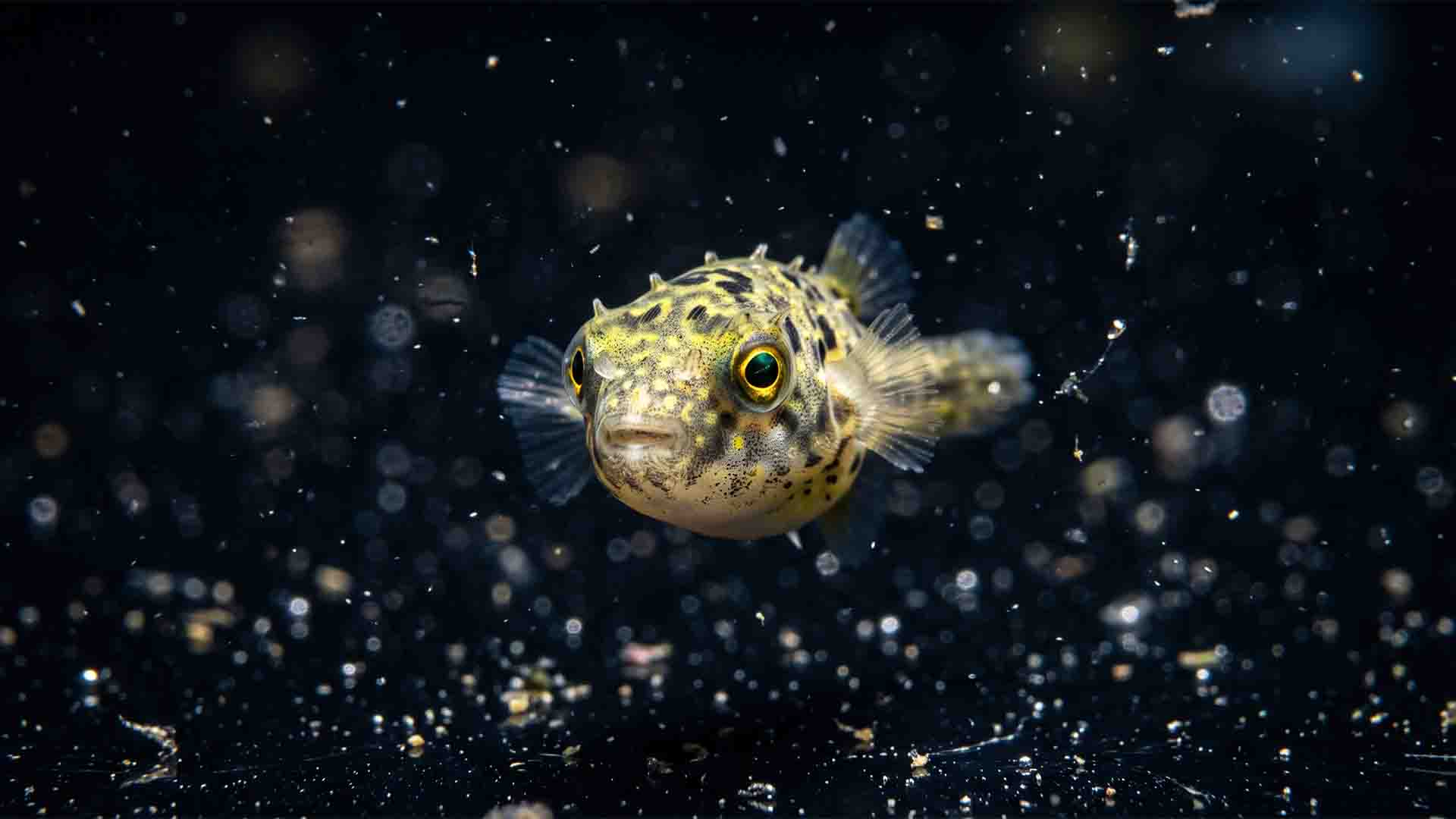
1. Dwarf Pea Puffer (Carinotetraodon travancoricus) – Sensory Aggression & Fin Nipping
Marketed heavily as a cute, miniature snail solution for peaceful planted nano tanks, the Dwarf Pea Puffer is an obligate micro-predator equipped with independently mobile eyes and a sharp beak of fused jaw bones. In community tanks, their predatory instinct is continuously triggered by the low-frequency vibrations emitted by the undulating fins of peaceful schooling fish. This triggers lateral line tactile overstimulation: the puffer does not attack out of territorial malice or hunger, but because the rhythmic flutter of long caudal fins mimics the physical motion of insect larvae and aquatic mollusks. Within 72 hours, slow-moving tankmates like guppies, tetras, and long-finned bettas suffer microscopic crescent-shaped fin lacerations, creating an open gateway for fatal secondary Columnaris infections.
2. Chinese Algae Eater (Gyrinocheilus aymonieri) – The Slime-Coat Vampire
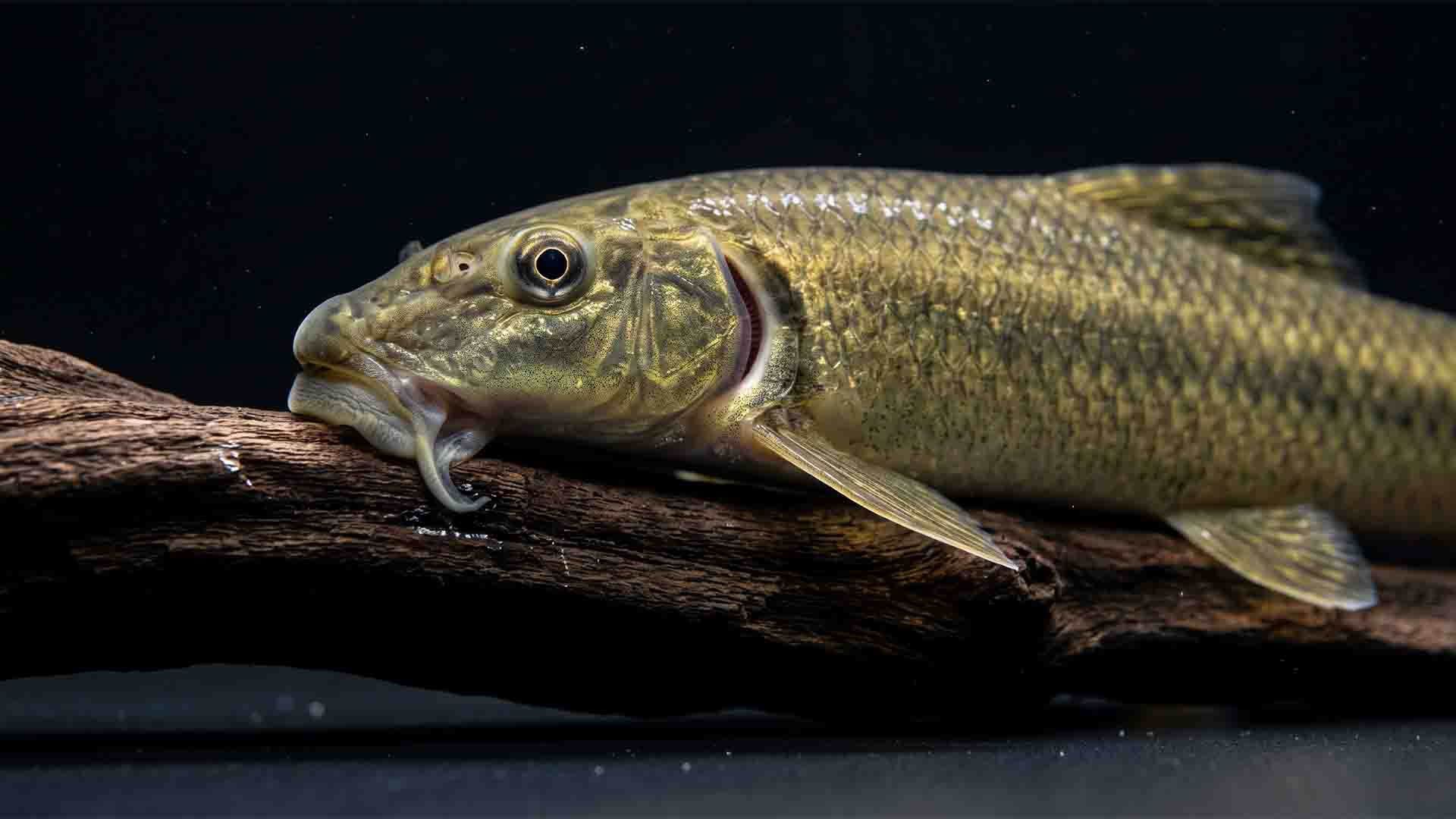
Chain stores sell two-inch juvenile Chinese Algae Eaters as tireless glass cleaners. While young specimens possess an inferior suctorial mouth designed for scraping diatoms and soft periphyton, the species undergoes an aggressive ontogenetic dietary shift as it exceeds three inches in length. Its internal digestive enzyme production ceases synthesizing cellulase and demands dense animal lipids and proteins. Realizing that benthic algae cannot satisfy this metabolic demand, the adult CAE abandons rock surfaces and turns to nocturnal mucophagy. Under the cover of darkness, it uses its powerful disc-like mouth to latch onto the lateral flanks of broad-bodied tankmates like angelfish, discus, and goldfish, physically stripping away their protective dermal slime coat. The victim wakes up with raw, circular ulcerations, leading to systemic osmotic shock. To discover true algae grazers that maintain their diet for life, read our breakdown on the truth about algae eater fish.
3. Kissing Gourami (Helostoma temminckii) – The Fatal Lip-Lock Illusion
The iconic “kissing” display of Helostoma temminckii is frequently romanticized as affectionate social behavior. In reality, this display is ritualized agonistic combat. Kissing gouramis possess specialized rasping lips lined with microscopic denticles designed for browsing benthic turf. When two individuals lock lips, they are engaging in a brutal contest of craniofacial bite force and muscular endurance to establish spatial dominance. In tanks under 100 gallons, these territorial bouts continue until the submissive fish suffers severe epidermal tearing around the jaw, jaw dislocation, or systemic lactic acidosis from extreme muscular exhaustion. Furthermore, adult kissing gouramis frequently direct this abrasive rasping behavior toward the scales of peaceful tankmates, converting a novelty purchase into a chronic stress engine.
4. Modern Neon Tetra (Paracheirodon innesi) – Mass Genetic Inbreeding Collapse
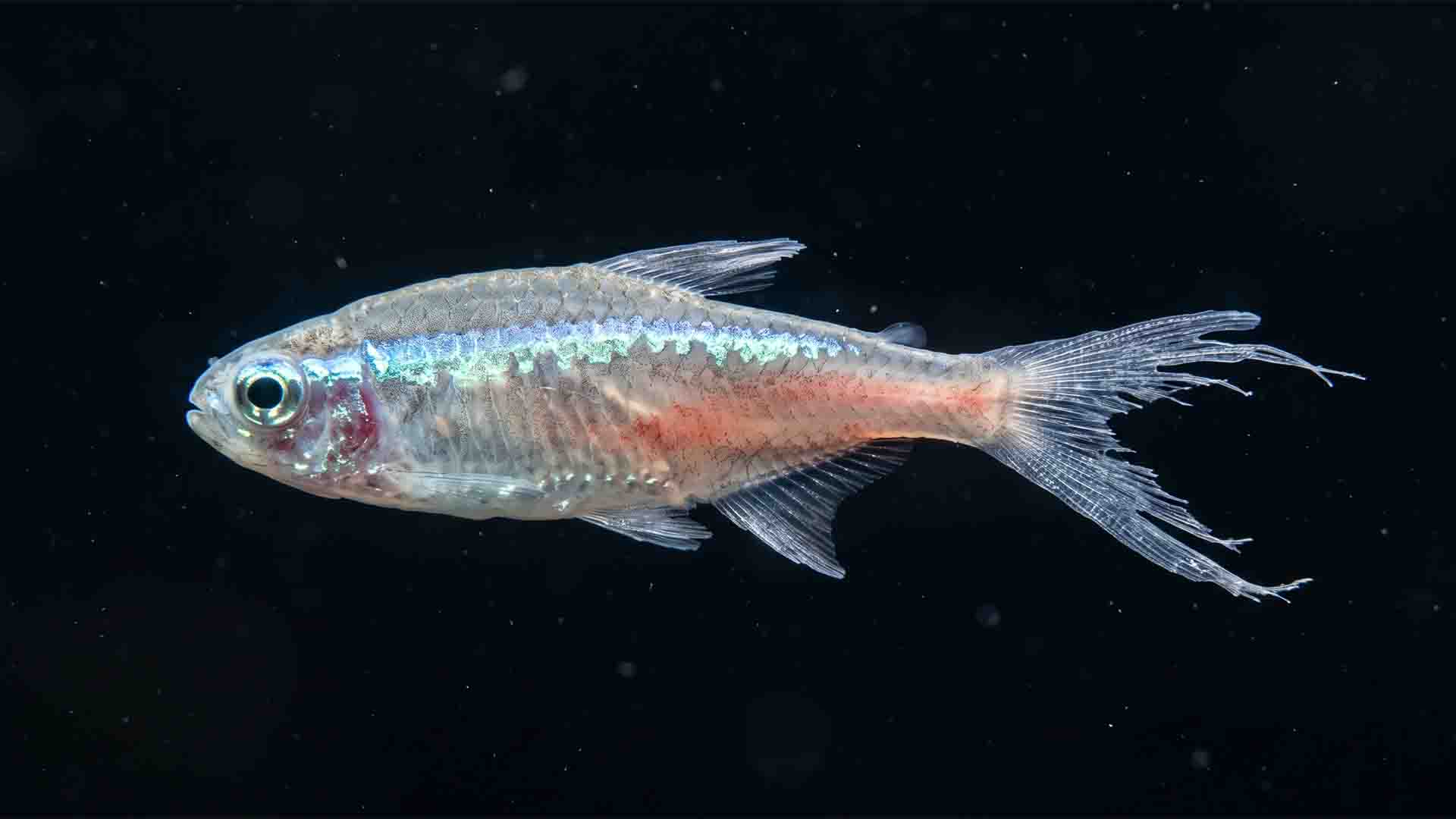
Decades of intensive commercial line-breeding in massive production facilities have structurally degraded the genetic resilience of the modern Neon Tetra. To achieve intense electric-blue and red pigmentation at minimal cost, commercial breeders have bottlenecked the species’ genome, decimating the diversity of their Major Histocompatibility Complex (MHC). Today’s retail neon tetras frequently carry latent microsporidian spores of Pleistophora hyphessobryconis (Neon Tetra Disease). When subjected to the physical cortisol spike of transport and the osmotic membrane shock of transitioning to domestic tap water, their weakened cell membranes fail to maintain cellular electrolyte balance. The school collapses one by one in spotless, zero-ammonia tanks while the keeper questions their water chemistry. If you have experienced sudden unexplained school die-offs, explore our investigation into why neon tetras die in community tanks.
5. Golden Wonder Killifish (Aplocheilus lineatus) – The Gape-Size Deception
Displaying a brilliant metallic gold shimmer and an unassuming surface-dwelling posture, the Golden Wonder Killifish is regularly sold as an exotic addition to peaceful community setups. However, its anatomical geometry reveals an apex surface ambush predator. Aplocheilus lineatus features a strictly flattened cranial profile, dorsal eyes aligned with the water surface, and an extraordinarily wide terminal mouth with a downward-hinged lower jaw. Its true gape size allows it to expand its oral cavity to consume any prey item up to 40% of its own total body length. Aquarists routinely add them alongside neon tetras, ember tetras, or juvenile guppies, only to watch their expensive schooling fish vanish overnight without a trace of disease or physical conflict.
6. Balloon Morphs (Poecilia sphenops / Poecilia latipinna) – Engineered Spinal Lordosis
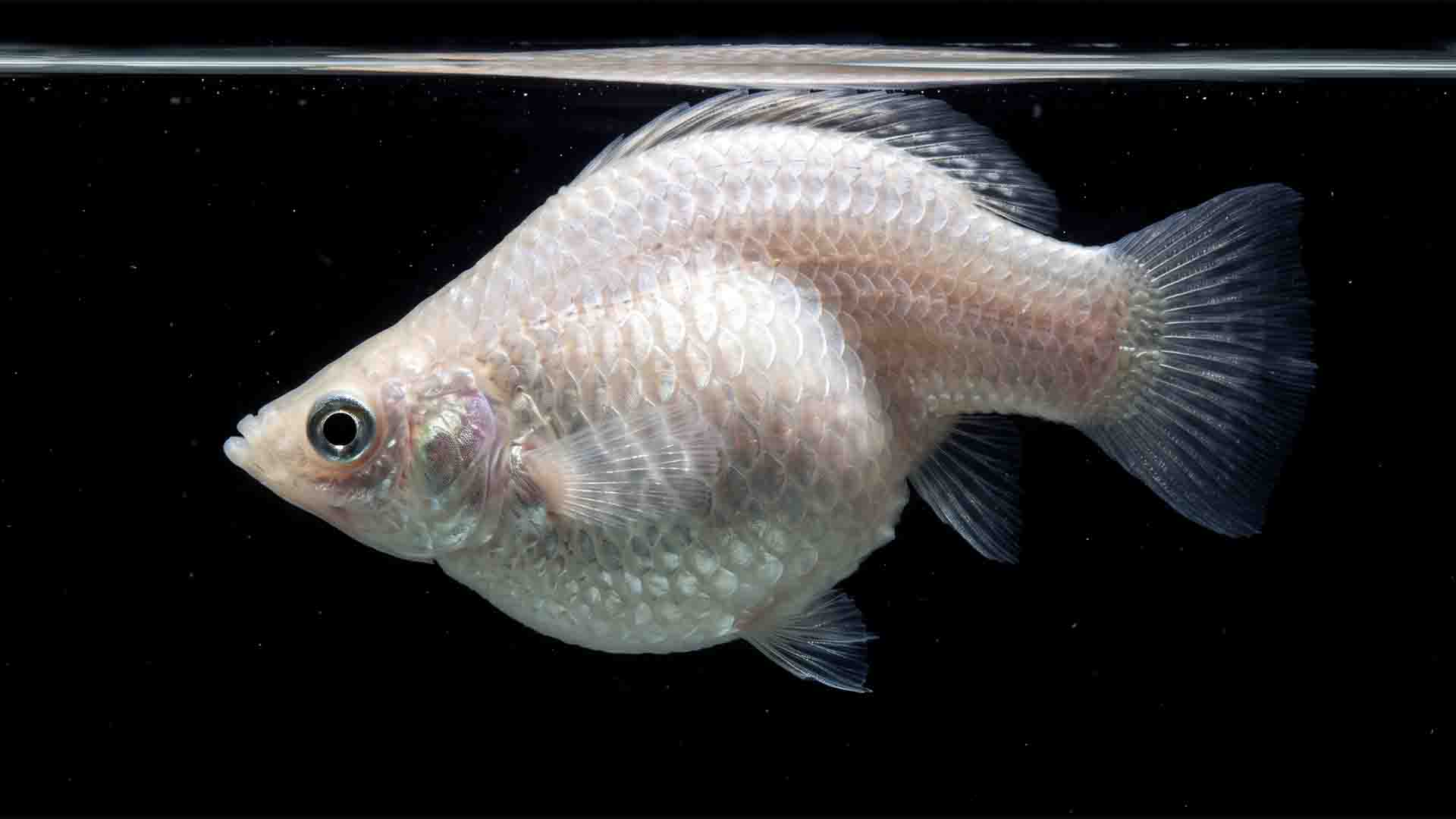
Designer “balloon” varieties of mollies, platies, and rams are artificially selected for severe skeletal deformities, specifically extreme vertebral lordosis and kyphosis. Compressing the axial skeleton by 40 to 50 percent crushes all internal vital organs into a severely restricted abdominal cavity. The stomach, intestine, and kidneys are jammed directly against the hydrostatic swim bladder chambers. When fed standard commercial dry flakes or pellets, the food hydrates and swells within the contorted digestive tract, exerting direct mechanical pressure against the swim bladder’s pneumatic duct. This mechanical crowding locks buoyancy regulation, leaving balloon morphs unable to maintain an even horizontal plane. The fish is forced into perpetual head-down swimming, exhausting its pectoral muscles and succumbing to chronic stress.
7. Dragon Scale Betta (Betta splendens) – Diamond Eye Hypertrophy
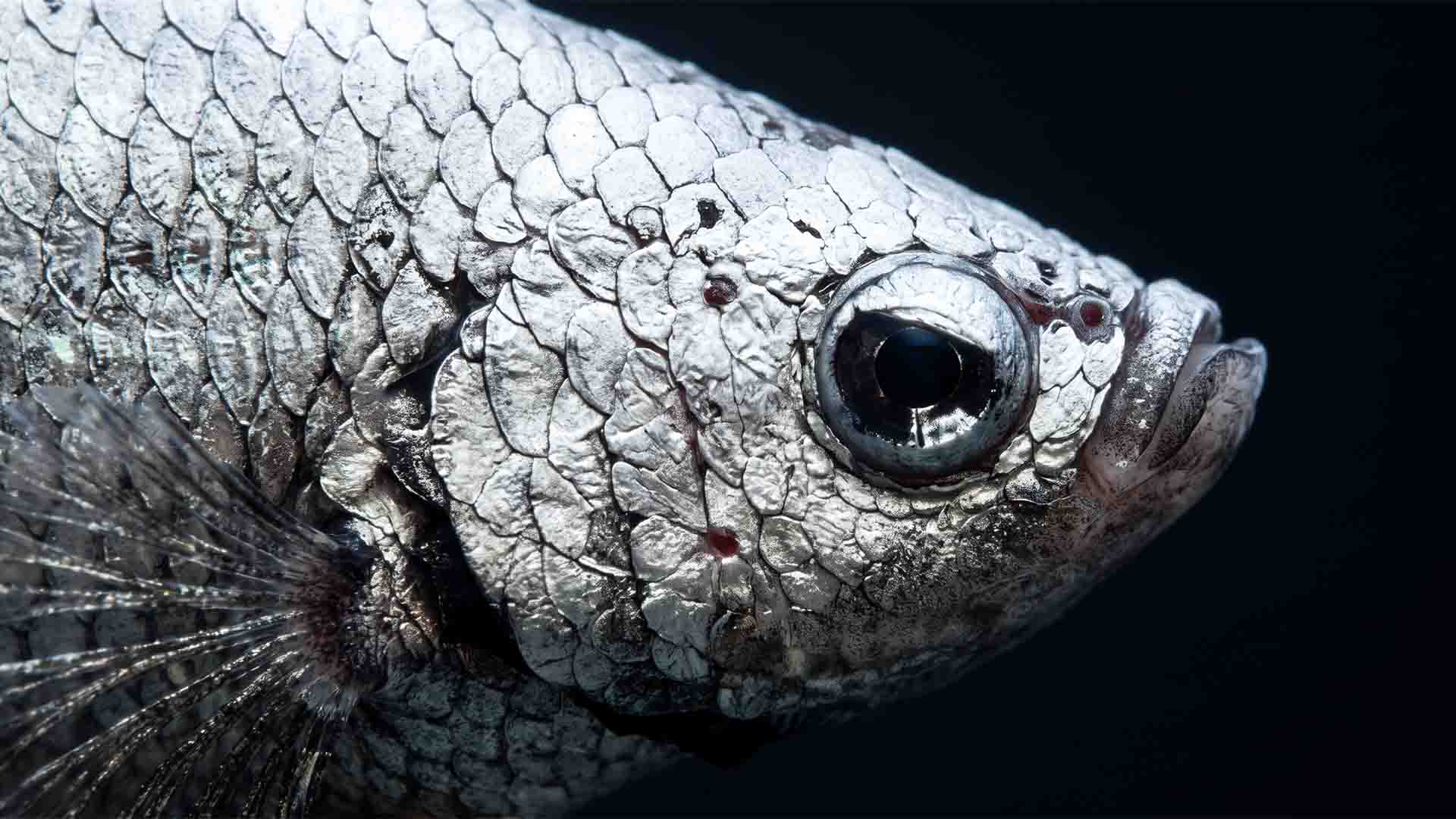
The iridescent, metallic armor of the Dragon Scale Betta is the result of selective breeding for hyper-dense layers of structural guanine crystals within specialized dermal iridophores. However, this excessive crystalline proliferation is genetically unregulated. Over a 12 to 18-month window, these thick, metallic scales continue to multiply, eventually migrating across the craniofacial tissue and invading the clear corneal epithelial layers of the eyes. Known in veterinary pathology as corneal epithelial hypertrophy (or “Diamond Eye”), this condition progressively covers the optical lens with opaque, armored scale tissue. The betta is rendered permanently blind, unable to locate resting food or navigate community spaces without colliding into hardscape and becoming chronically stressed.
8. Bala Shark (Balantiocheilos melanopterus) – Kinematic Velocity & Flight Trauma
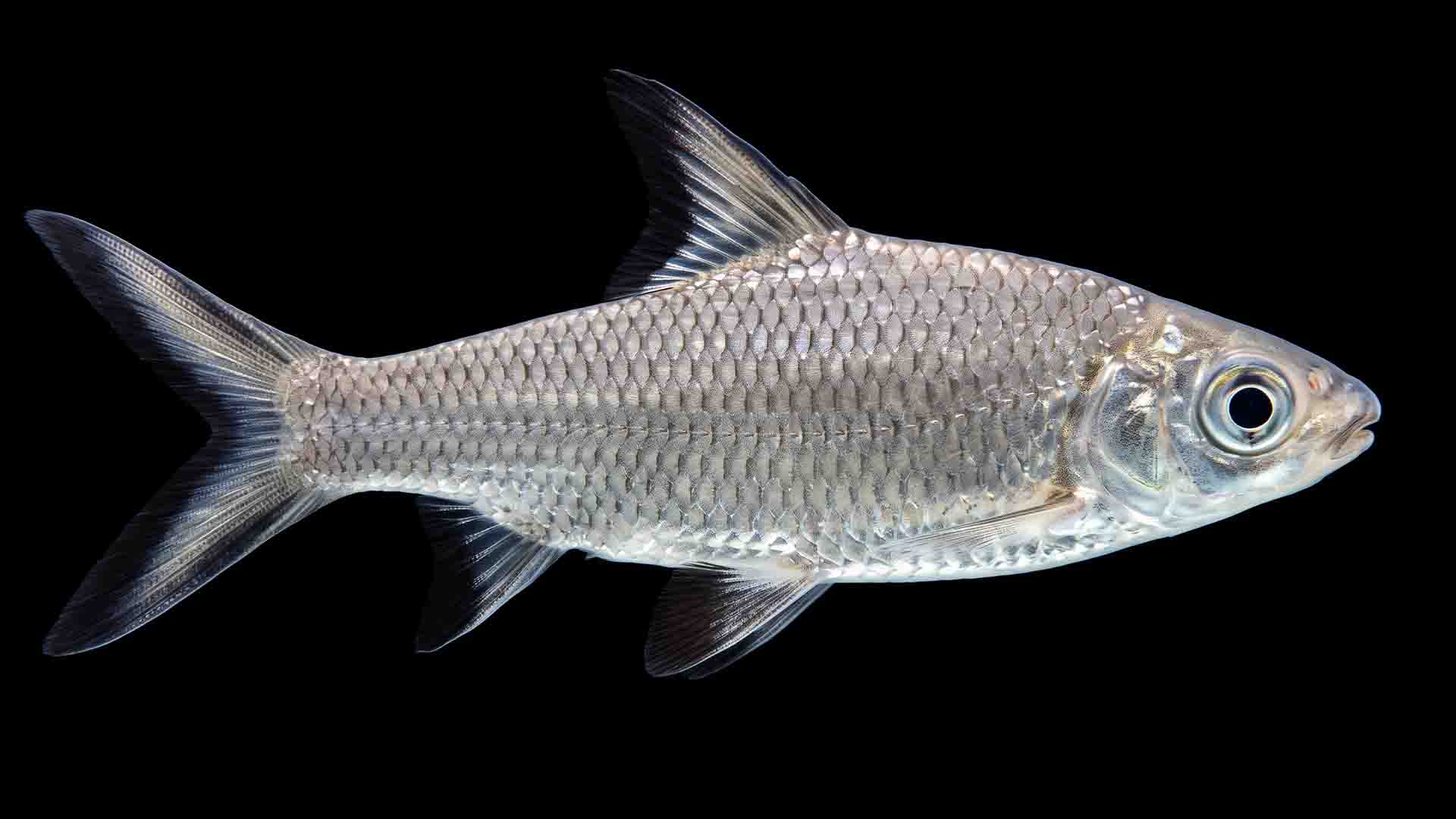
Priced cheaply as silver, sleek “sharks” for standard community setups, juvenile Bala Sharks appear peaceful as they hover timidly in pet store tanks. Yet, Balantiocheilos melanopterus is a pelagic open-water river cyprinid engineered for massive bursts of kinematic swimming speed exceeding 1.5 meters per second. In a standard four-foot home aquarium, the fish cannot perform its natural migratory schooling patterns. When startled by sudden changes in room lighting, foot traffic, or tank maintenance, its instinctive flight reflex engages, sending this powerful 14-inch fish hurtling blindly into glass walls, structural bracing, and submerged equipment. The inevitable result is blunt-force cranial trauma, shattered nasal cartilage, spinal fractures, and shattered glass heaters.
9. Red-Tail Shark (Epalzeorhynchos bicolor) – Benthic Territory Monopolization
Sold as an attractive black-and-red ornamental algae eater, the juvenile Red-Tail Shark hides its hyper-territorial nature while confined to crowded retail tanks. In a home aquarium, however, Epalzeorhynchos bicolor claims the entire benthic substrate plane as its sovereign territory. As it reaches sexual maturity, its tolerance for similarly shaped bottom dwellers drops to zero. Corydoras, loaches, and small plecos are subjected to relentless high-speed ramming and pursuit. The shark patrols caves and sightlines with military precision, forcing other bottom fish into open water or pinning them into upper corners until they die of metabolic exhaustion. To diagnose and correct these sudden behavioral shifts, examine our guide on why peaceful fish turn aggressive.
10. Iridescent Shark (Pangasianodon hypophthalmus) – The Cube-Law Bioload Destroyer
The sale of juvenile Iridescent Sharks to beginner hobbyists is the most egregious example of deceptive retail marketing in the aquarium industry. Sold at two inches long for just a few dollars, this is not a manageable shark; it is an active, migratory river catfish native to the Mekong basin that naturally grows to four feet (130 cm) in length and weighs over 90 pounds. Its growth trajectory is governed by geometric scaling, meaning that doubling its physical length multiplies its body mass and waste output by a factor of eight. Within months, a juvenile outpaces standard biological filtration media, inducing severe ammonia spikes and oxygen depletion events. Paralyzed by claustrophobia in glass tanks, these skittish giants panic relentlessly, destroying home setups before suffering catastrophic internal organ failure. To avoid bringing home river megafauna, consult our warning on the monster fish juvenile trap.
Retail Marketing vs. Biological Reality: The Failure Matrix
Most aquarium failures are not caused by reckless neglect; they are engineered at the retail counter. Local fish stores and big-box chains routinely categorize species by juvenile physical size and temporary holding behavior rather than adult metabolic requirements, jaw morphology, and territorial ontogeny. To protect your investment and prevent catastrophic community crashes, cross-reference your livestock selections against this empirical biological reality matrix:
Chinese Algae Eater
(Gyrinocheilus aymonieri)“Hardworking Beginner Algae Crew”Ontogenetic dietary shift; adult ceases cellulase synthesis and shifts to predatory nocturnal mucophagy.Stripped epidermal slime coats; circular open lesions and osmotic collapse on broad-bodied fish.Bristlenose Pleco (Ancistrus sp.) or OtocinclusModern Neon Tetra
(Paracheirodon innesi)“Classic Hardy Beginner Schooler”Commercial inbreeding depression; high latent carriage of P. hyphessobryconis and compromised osmotic cell integrity.Sudden unexplained mortalities within 48 to 72 hours despite zero detectable ammonia.Cardinal Tetra (Paracheirodon axelrodi)Balloon Molly
(Poecilia sphenops morph)“Friendly Chubby Livebearer”Engineered spinal lordosis/kyphosis; compacted viscera crushes gastrointestinal tract against swim bladder.Chronic positive/negative buoyancy disorders, digestive impaction, and pectoral exhaustion.Wild-Type Endler (Poecilia wingei)Bala Shark
(Balantiocheilos melanopterus)“Gentle Sleek Community Shark”High-velocity pelagic river cyprinid; burst escape speed exceeds 1.5 m/s with hypersensitive lateral line.Blunt-force cranial concussion, broken rostral cartilage, smashed glass heaters, and jumping trauma.Denison Barb (Sahyadria denisonii)Iridescent Shark
(Pangasianodon hypophthalmus)“Novelty Silver Shark (2-Inch Baby)”Mekong river migratory megafauna (130 cm adult); bioload scales by the cube of lengthCatastrophic biofilter collapse, acute nocturnal hypoxia, shattered aquarium panels, and stunting.Columbian Tetra (Hyphessobrycon columbianus)
| Species (Scientific Name) | Retail Marketing Label | Real Biological Mechanism | 6-Month Community Outcome | FTM-Approved Alternative |
|---|---|---|---|---|
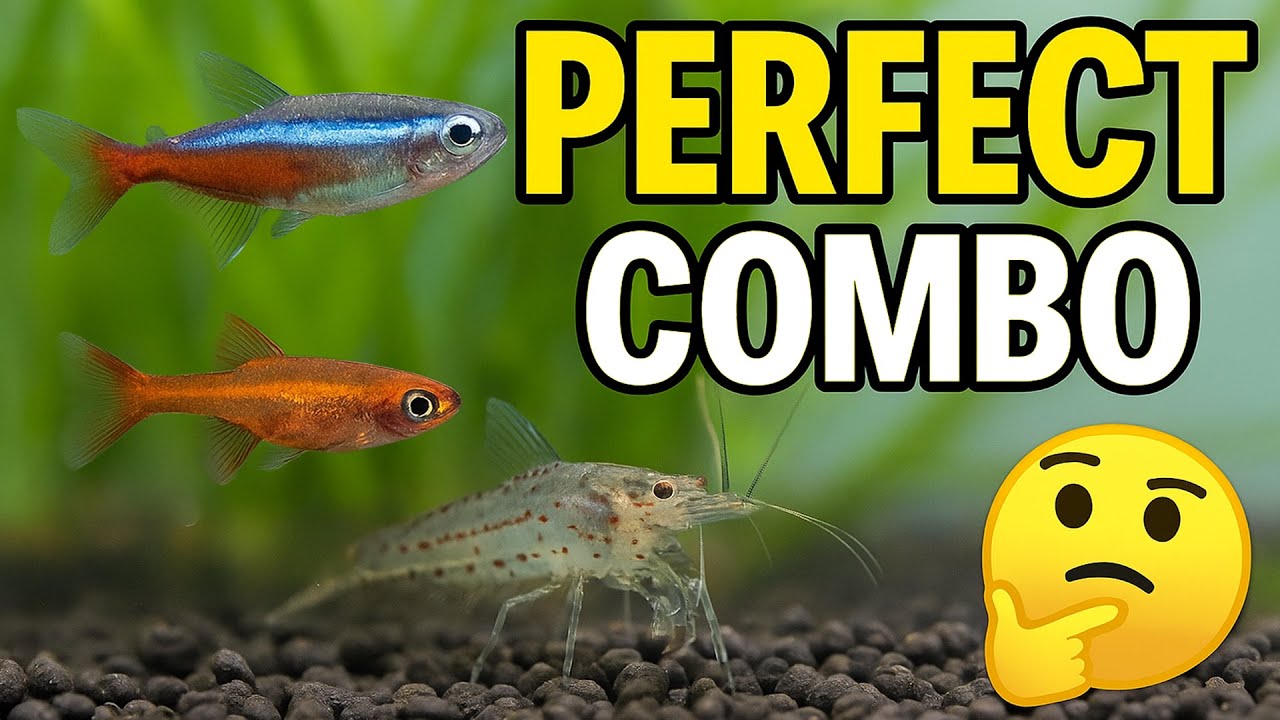
| Dwarf Pea Puffer (Carinotetraodon travancoricus) | “Nano Snail Cleaner; Peaceful Planted Tank Addition” | Obligate micro-predator; lateral line tactile overstimulation triggers relentless predatory fin-nipping. | Shredded caudal fins; secondary bacterial fin-rot outbreaks on slow tankmates. | Assassin Snail (Clea helena) or Amano Shrimp |
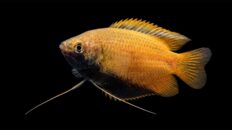
| Kissing Gourami (Helostoma temminckii) | “Cute Affectionate Social Centerpiece” | Ritualized agonistic craniofacial combat; abrasive labial denticles rasp scale mucus from competitors. | Severe jaw dislocation, lactic acidosis exhaustion, and targeted harassment of timid fish. | Honey Gourami (Trichogaster chuna) |
| Golden Wonder Killifish (Aplocheilus lineatus) | “Peaceful Surface Dweller & Mosquito Hunter” | Flattened cranial surface predator; downward-hinged jaw expands to ingest prey up to 40% of body length. | Mysterious nocturnal disappearance of nano tetras, juvenile livebearers, and dwarf shrimp. | Marbled Hatchetfish (Carnegiella strigata) |
| Dragon Scale Betta (Betta splendens morph) | “Premium Metallic Designer Showpiece” | Unregulated iridophore guanin synthesis; progressive corneal epithelial hypertrophy (“Diamond Eye”). | Total bilateral blindness by month 12; severe foraging failure and chronic collision stress. | Wild-Type Short-Fin Plakat Betta |
| Red-Tail Shark (Epalzeorhynchos bicolor) | “Active Algae-Grazing Accent Fish” | Hyper-territorial benthic autotroph; claims 100% of substrate plane via constant sightline dominance. | Corydoras and loaches pinned to surface corners; death by chronic metabolic exhaustion. | Kuhli Loach (Pangio semicincta) group |
The Delayed Tank Collapse Timeline (From Purchase to System Reset)
Aquariums rarely collapse overnight without warning. They drift quietly through predictable phases where visual cues mask internal biological decay. When an aquarist introduces one of these misleading species, the damage accumulates silently until the ecosystem exhausts its biological buffer. This timeline maps the progression from initial purchase to systemic collapse:
Weeks 2 – 4
(Micro-Stress Window)Subtle behavioral drift. Timid fish hover near filter outflows. Micro-crescents appear on guppy and betta fins.Cortisol levels elevate in subordinate species; immune mucosal coating thins; latent pathogens begin replicating.Loss of system buffer. Schooling cohesion fragments as territorial boundaries are established by dominant fish.Audit physical sightlines. Add structural driftwood barriers. Cease all aggressive substrate deep-cleaning.
Month 6+
(Geometric Collapse)Bala or iridescent sharks dash blindly into glass when lights activate. Persistent milky haze in water column. “Geometric bioload scaling (Mass ∝ Length3) overwhelms heterotrophic/autotrophic bacteria ratio; severe overnight dissolved oxygen drops.”Systemic biofilter collapse. Fish show acute gill lamellae inflammation and blunt-force cranial trauma.Emergency livestock rehoming. Upgrade biological media volume. Increase high-efficiency surface agitation.
| Timeline Phase | Observed Tank Behavior | Internal Chemistry & Biology | Systemic Impact | Action Protocol |
|---|---|---|---|---|
| Days 1 – 7 (Retail Honeymoon) | Water is crystal clear. Fish explore cautiously. Schooling fish cluster tightly. Puffer or shark ignores tankmates. | Suppressed endocrine function due to transport shock; juvenile masking active; residual retail UV protection fading. | False stability phase. Aquarist assumes species compatibility is proven and relaxes maintenance vigilance. | Do not add more livestock. Maintain strict 6-hour photoperiod. Observe nocturnal positioning after dark. |
| Months 2 – 3 (Metabolic Shift) | Chinese Algae Eater actively latches onto sleeping fish. Balloon mollies float head-down post-feeding. Neon count drops. | Juvenile cellulase enzyme production drops in CAE; intestinal swelling exerts pressure on compressed molly swim bladders. | Physical tissue trauma, epidermal bacterial ulcerations, and unmeasured organic waste accumulation. | Rehome predatory grazers. Switch livebearers to pre-soaked sinking spirulina. Test nighttime dissolved oxygen. |
Behavioral Traps to Avoid: Stop Sabotaging Your Ecosystem
Aquarium stability is broken far more often by predictable human habit loops than by mysterious pathogens. When hobbyists encounter early friction, their instinctive reactions frequently accelerate the exact collapse they are trying to prevent. To maintain biological equilibrium, you must eliminate these five behavioral traps:
1. Trusting “Peaceful” Store Labels on Juvenile Predators
Commercial holding tanks are crowded by design. High stocking densities temporarily suppress territorial claims because no individual fish can isolate and defend a line of sight. Beginners observe this artificial calm and assume the species is naturally peaceful. When brought home to an uncrowded 30-gallon tank, the juvenile predator reaches hormonal maturity, claims the entire perimeter, and systematically eliminates peaceful tankmates. If you are struggling with a community tank that suddenly turned hostile, review our diagnostic breakdown on why peaceful fish turn aggressive.
2. Using Live Animals as Janitorial Substitutes
Purchasing a fish or snail to “solve” an algae or waste problem is the fastest way to increase total biological debt. Every live organism consumes oxygen, generates nitrogenous waste, and requires physical territory. When you buy a Chinese Algae Eater to eliminate diatoms, you are introducing a future 10-inch territorial mucivore into an already unstable system. Real tank cleanliness is an emergent property of light balance, controlled feeding inputs, and mature biofilm, never livestock additions. Before buying a cleaning fish, understand the trade-offs by exploring our ranking of worst to best bottom dwellers.
3. Calculating Space by Gallons Instead of Usable Footprint and Swim Velocity
The outdated aquarium hobby rule of thumb focuses exclusively on water volume while ignoring hydrodynamic geometry and burst speed. A 55-gallon standard aquarium provides approximately four feet of linear length. For an open-water pelagic sprinter like the Bala Shark—which naturally accelerates at over 1.5 meters per second—four feet represents less than one second of swimming runway. When panicked, these fish hit the glass with enough kinetic energy to shatter nasal cartilage and crack submerged heaters. Stop asking if the tank volume is sufficient; ask whether the horizontal swimming footprint accommodates the species’ physical acceleration capacity.
4. Chasing Visual Sparkle Over Biological Buffering Capacity
Clear water is not synonymous with healthy water. A newly established tank can look diamond-clear while containing lethal concentrations of un-ionized ammonia NH3 or harboring latent microsporidian spores. Aquarists who judge water quality entirely with their eyes frequently deep-clean their filtration media to maintain aesthetic perfection. This habit washes away the slow-growing nitrifying biofilm and collapses the tank’s biological buffer. If your aquarium experiences sudden livestock losses despite clean-looking water, examine our systematic guide on how false stability triggers delayed aquarium collapse.
5. Stocking Structurally Deformed Designer Morphs
Selective breeding for aesthetic novelties—such as balloon bodies and heavy dragon scale mutations—comes at a direct physiological cost. Purchasing balloon mollies or rams rewards breeding practices that intentionally introduce severe vertebral lordosis, crowding vital organs and guaranteeing chronic swim bladder dysfunction. Similarly, buying heavy dragon scale bettas guarantees that corneal epithelial hypertrophy will blind the animal within its natural lifespan. Avoid supporting genetic dead-ends; stock wild-type body geometries that possess the anatomical architecture required to navigate water flow and digest food without structural failure.
Ecosystem Engineering: How to Build a Zero-Conflict Community Tank
True community harmony is not achieved by hoping incompatible temperaments learn to coexist. It is engineered by systematically removing physical competition, breaking visual trigger points, and matching the metabolic and kinetic demands of every species in the water column.
Protocol 1: The Gape-Size Compatibility Standard
Fish do not possess moral restraint; they possess anatomical limits. In aquatic biology, the predatory boundary of any species is dictated strictly by its maximum functional gape size—the cranial cross-section of its mouth when fully extended. Species like the Golden Wonder Killifish possess downward-hinged predatory jaws capable of swallowing prey measuring up to 40% of their total body length. To engineer a peaceful community, measure the smallest cross-sectional diameter of your slender schooling fish (e.g., chili rasboras, neon tetras) against the maximum buccal expansion of your largest centerpiece fish. If the smaller fish fits within that physical aperture, it will inevitably be consumed.
Protocol 2: Line-of-Sight Hydro-Architecture
In wide-open aquascapes with symmetrical hardscape, a single dominant territorial fish—such as a Red-Tail Shark or male gourami—can visually scan the entire perimeter from a single vantage point. This unobstructed view creates perpetual territorial defense mode. To eliminate social friction, break the aquarium into three distinct visual compartments using tall background plants (like Vallisneria or Echinodorus), vertical branchy driftwood, and angled slate barriers. When a chased subordinate fish breaks line of sight by darting behind a physical structure, the pursuing dominant fish immediately disengages, preventing chronic cortisol exhaustion.
Protocol 3: Niche-Matched Biological Substitutes
You do not have to sacrifice dynamic colors or striking behaviors to achieve long-term ecosystem stability. Simply replace high-risk retail time-bombs with robust species that fulfill the exact same aesthetic and ecological niche without the destructive biological baggage:
- Replace Dwarf Pea Puffers with Amano Shrimp & Assassin Snails: Maintain spotless planted hardscape and control nuisance pest snails without subjecting delicate long-finned fish to sensory-driven fin mutilation.
- Replace Chinese Algae Eaters with Bristlenose Plecos (Ancistrus sp.): Bristlenose plecos max out at a manageable 4 to 5 inches, retain their specialized herbivorous dietary requirements for life, and never develop the predatory mucophagy that makes adult CAEs lethal.
- Replace Modern Inbred Neon Tetras with Cardinal Tetras (Paracheirodon axelrodi): Cardinals display richer, unbroken red lateral pigmentation while possessing significantly higher wild genetic diversity, cellular osmotic resilience, and immunity against Pleistophora microsporidia.
- Replace Bala Sharks with Denison Barbs (Sahyadria denisonii): Enjoy torpedo-shaped, high-speed silver schooling dynamics with intense red and yellow horizontal striping in a species that caps out at 6 inches and respects standard aquarium runways.
Protocol 4: The 14-Day Maintenance Freeze
When introducing new fish to an established community setup, the most damaging mistake is immediately altering maintenance routines, changing water volumes, or scrubbing filter components. Every physical intervention resets the environmental baseline and forces both established and newly introduced livestock to recalibrate their osmoregulatory systems under stress. For the first 14 days after stocking, implement a strict maintenance freeze: maintain stable lighting schedules, feed small portions of highly digestible foods, keep your hands out of the glass box, and allow the biological nitrogen cycle to naturally adapt to the new waste input. True stability is created by patience and predictability, not frantic intervention.
Scientific Truths Behind Delayed Community Tank Collapses
When an aquarium fails weeks after stocking, hobbyists instinctively blame sudden water parameter swings or rogue pathogens. In reality, the failure is almost always the predictable consequence of neuroendocrine exhaustion, metabolic scaling divergence, or genetic bottlenecks. Closed aquatic systems operate under strict biophysical laws. To understand why misleading fish collapse peaceful communities, we must examine the peer-reviewed biology governing captive teleost species:
Truth 1: The Neuroendocrine Stress Cascade and Osmotic Failure
In teleost fish, social instability, persistent line-of-sight confinement, and tactile overstimulation are not behavioral inconveniences; they trigger an involuntary, measurable endocrine emergency. Constant territorial harassment or sensory agitation activates the hypothalamic-pituitary-interrenal (HPI) axis, releasing sustained surges of cortisol into the bloodstream. While acute cortisol spikes mobilize glucose for burst-swimming escape responses, chronic baseline elevation destroys physiological homeostasis. Prolonged hypercortisolemia suppresses the production of immunoglobulins within the epidermal mucus coat and disrupts the branchial chloride cells responsible for ion regulation. The fish does not die from aggression wounds; it dies from cellular osmotic collapse and systemic opportunistic infections. To examine the hormonal mechanics of chronic confinement stress, read the study on PubMed.
Truth 2: The Geometric Scaling Law of Bioload Momentum
The standard hobbyist assumption that fish waste scales linearly with body length is physically and mathematically impossible. Bioload is governed by geometric allometric scaling Mass ∝ Length3, meaning that as a fish doubles in physical length from 2 inches to 4 inches, its total body mass, muscular density, and metabolic waste output increase by a factor of eight. When a juvenile Iridescent Shark or Bala Shark grows from an unassuming 2-inch retail novelty into a 10-inch adolescent, its biological exhaust multiplies by more than a hundredfold. This exponential metabolic curve rapidly outpaces the surface area kinetics of domestic autotrophic nitrifying biofilms, inducing chronic sub-clinical un-ionized ammonia NH3 spikes and severe nocturnal dissolved oxygen crashes. To review the kinetic thresholds of ammonia toxicity across closed teleost systems, read the EPA aquatic criteria documentation.
Truth 3: Inbreeding Depression and Membrane Brittleness in Mass-Bred Lines
Modern commercial ornamental fish production relies heavily on continuous closed-line backcrossing to fix high-value aesthetic traits like neon iridescence, extreme scale thickness, or spinal ballooning. Decades of artificial selection without wild genetic infusions trigger profound inbreeding depression, severely narrowing the Major Histocompatibility Complex (MHC) locus. In mass-farmed Neon Tetras and designer livebearers, this genetic erosion manifests as fragile cellular membrane permeability and defective macrophage activity. These specimens frequently harbor latent, sub-clinical microsporidian infections like Pleistophora hyphessobryconis. While industrial holding vats suppress these pathogens through continuous high-output UV irradiation, the absence of this artificial shield in home aquariums triggers acute cellular collapse during routine osmotic transitions. To examine how environmental stress accelerates pathogen replication in vulnerable species, read the research on SpringerLink.
Truth 4: Ontogenetic Trophic Divergence in Captive Foragers
Many popular aquarium species do not maintain a uniform diet throughout their lifespan. In ichthyology, ontogenetic trophic divergence refers to the radical reconfiguration of an organism’s alimentary tract, dentition, and enzymatic digestive profile as it shifts from juvenile development to sexual maturity. Juvenile Chinese Algae Eaters synthesize high concentrations of cellulase and amylase to digest soft diatom biofilms and epilithic algae. As somatic growth decelerates and gonadal maturation begins, the internal synthesis of plant-processing enzymes drops dramatically, replaced by an urgent physiological requirement for high-density animal proteins and lipids. Deprived of specialized animal prey in standard community setups, the adult grazer shifts to predatory mucophagy, harvesting the glycoprotein-rich mucus from broad-bodied tankmates. To explore species-specific trophic shifts and adult feeding ecology, consult the FishBase global database.
People Also Ask: Common Questions About Misleading Fish
Can pea puffers really live peacefully in a community aquarium?
No. Dwarf Pea Puffers are obligate micro-predators with fused jaw beaks that hunt by visual and tactile cues. The rhythmic swimming motion of long-finned tankmates continuously triggers their predatory striking instinct, leading to shredded fins, open dermal wounds, and chronic systemic stress across the entire aquarium.
Why do Chinese algae eaters attack and suck on other fish?
Chinese Algae Eaters undergo an ontogenetic dietary shift as they mature past three inches. Their digestive enzymes stop breaking down algae efficiently and demand dense animal protein. At night, they use their suctorial mouths to latch onto broad-bodied fish, peeling away protective slime coats and exposing them to deadly secondary infections.
Why do neon tetras die in clean, zero-ammonia water?
Commercial neon tetras suffer from severe inbreeding depression, latent microsporidian carriage (Pleistophora hyphessobryconis), and fragile cellular membranes. Even in pristine water with zero detectable ammonia, minor shifts in general hardness, pH, or background microbial density trigger irreversible osmoregulatory failure.
What causes diamond eye in dragon scale bettas, and can it be cured?
Diamond eye is caused by unregulated iridophore guanine crystallization. Selective breeding for thick metallic scales causes scale tissue to proliferate uncontrollably across the craniofacial epidermis and over the clear corneal lens. It is a permanent, progressive genetic condition that cannot be reversed with medication.
Why is my balloon molly swimming upside down or nose-down?
Balloon mollies are engineered with severe vertebral lordosis that compresses their internal viscera into a cramped abdominal cavity. When fed standard commercial dry flakes or pellets, the swelling food mechanically pushes the gastrointestinal tract directly against the swim bladder chambers, physically locking hydrostatic buoyancy control.
How big of a tank does an iridescent shark actually need?
Iridescent Sharks cannot be responsibly housed in home aquariums. Native to the Mekong river basin, they naturally grow to four feet (130 cm) in length and weigh over 90 pounds. Confining them to domestic aquariums leads to extreme spinal stunting, structural glass impacts, and lethal bioload biofilter crashes.
Frequently Asked Questions (FAQ)
Does drip acclimation prevent transition shock in fragile commercial fish?
Drip acclimation equalizes temperature, pH, and general hardness, but it cannot repair compromised cellular membranes or deficient immune systems. If a fish carries latent microsporidian spores or has suffered severe osmoregulatory exhaustion across commercial shipping routes, slow dripping only cushions the transition; it does not eliminate the underlying biological debt.
Can adding more hiding spots fix territorial aggression from a red-tail shark?
Adding hiding spots helps break visual sightlines, but it rarely eliminates aggression from an adult Red-Tail Shark. This species does not merely defend a single cave; it claims the entire benthic substrate plane. Unless the tank offers at least four feet of uninterrupted horizontal footprint with dense physical dividers, the shark will continuously harass other bottom dwellers.
Why do store-bought fish act completely peaceful in retail display tanks?
Commercial holding tanks use extreme stocking densities and centralized industrial filtration networks. High densities prevent fish from establishing individual territories or defending sightlines, temporarily suppressing dominance behaviors. Once moved to a spacious, low-density home setup, juvenile masking drops and natural territorial instincts activate immediately.
What should I do if my community tank already contains one of these 10 species?
Do not wait for a catastrophic collapse. If you keep high-risk species like adult Chinese Algae Eaters, Bala Sharks, or aggressive killifish alongside delicate tankmates, establish an immediate triage protocol. Separate predatory or rapidly outgrowing specimens into a dedicated setup, or rehome them through local aquarium clubs before irreversible tissue damage or biofilter failure occurs.
Are tank-bred fish always hardier than wild-caught alternatives?
Not necessarily. While tank-bred fish are adapted to domestic tap water parameters, decades of mass commercial inbreeding in open-air industrial vats have genetically compromised species like Neon Tetras and fancy morphs. Wild-caught or wild-type strains often possess significantly stronger immune systems, broader genetic diversity, and intact ancestral survival instincts.
Hub & Spoke: Stabilize Your Entire Aquarium System
Eliminating misleading species is the first step toward long-term tank stability, but true ecosystem balance requires managing the invisible biological architecture of your entire tank. If you have introduced fish to fix maintenance issues, your first priority must be understanding the truth about algae eater fish to ensure your clean-up crew does not turn into an aggressive bioload burden.
When seemingly peaceful community setups begin showing sudden friction, shredded fins, or nighttime chasing, diagnosing the exact environmental trigger is critical. Instead of rehoming random fish on impulse, audit your stocking density and hardscape sightlines using our diagnostic framework on why peaceful fish turn aggressive.
Most community tank disasters originate long before fish reach your home glass. Retail holding vats rely on high-turnover industrial safety nets that mask early pathogens and territorial traits, which is why thousands of hobbyists get trapped by pet store lies that crash beginner aquariums.
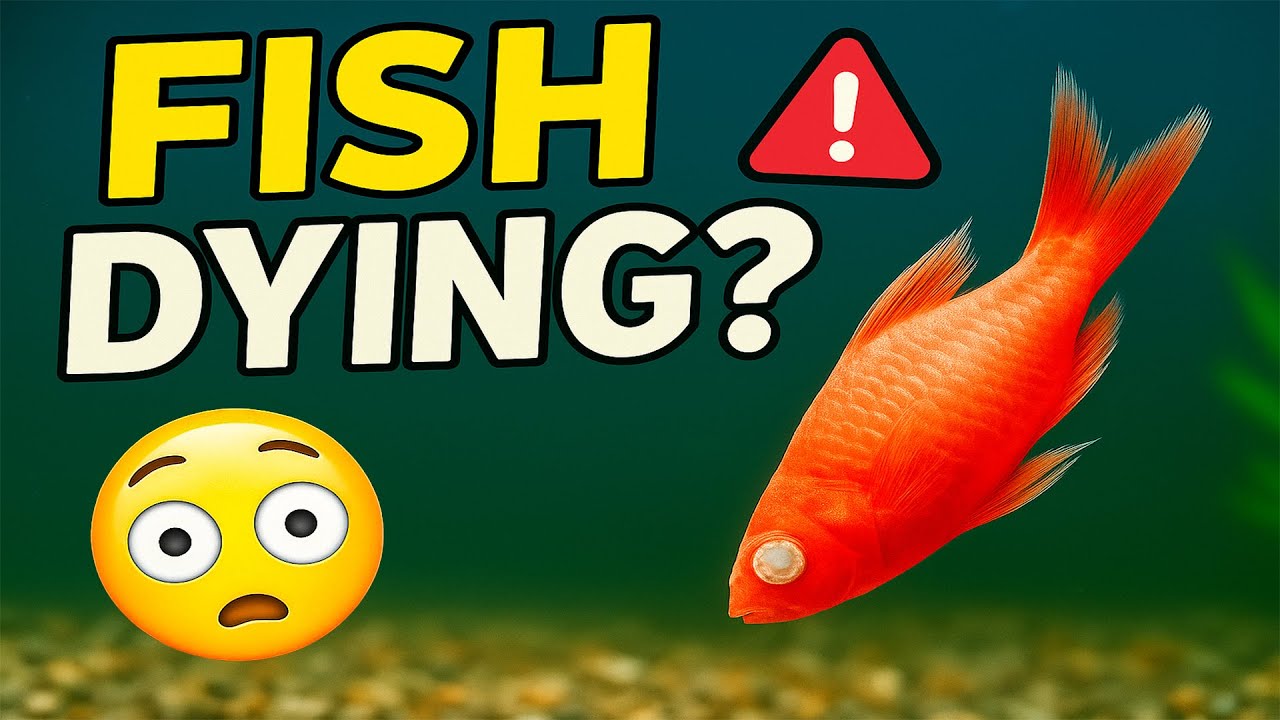
If your aquarium experiences sudden, unexplained livestock mortalities despite zero detectable ammonia and clear water, stop deep-cleaning your filter and pouring in random medications. Investigate the cellular and environmental bottlenecks outlined in our emergency guide on the hidden reasons fish keep dying in clean water.
Finally, to prevent juvenile species from overwhelming your mechanical and biological filtration capacity, abandon outdated stocking rules entirely. Learn how to calculate true waste mass, swimming kinetics, and hydrodynamic footprints with our complete breakdown on why the one inch per gallon rule fails.
Scientific References & Literature Review
1. Neuroendocrine Stress Responses in Captive Teleosts: Empirical research on teleost endocrinology demonstrates that sustained territorial confrontation and visual line-of-sight confinement trigger elevated plasma cortisol levels. This chronic endocrine activation inhibits lymphocyte proliferation, degrades epidermal mucus integrity, and accelerates systemic mortality in submissive community tankmates. Read the study on PubMed.
2. Aquatic Toxicology and Ammonia Kinetics (U.S. EPA): Toxicological criteria published by the Environmental Protection Agency establish the physiological impacts of un-ionized ammonia NH3 on teleost gill lamellae. Rapid biomass increases from outgrowing predatory fish quickly exhaust the stoichiometric oxidation capacity of biological filters, leading to acute respiratory stress and osmotic failure. Read the EPA Reference.
3. Microsporidian Pathogenesis in Ornamental Cyprinids: Veterinary pathology investigations into Pleistophora hyphessobryconis reveal high rates of sub-clinical latent carriage in commercially bred characins. Transport handling and water parameter translation shock induce acute immune suppression, allowing dormant spores to invade skeletal muscle tissue and trigger rapid school mortality. Read the study on SpringerLink.
4. Global Species Biology and Adult Life-History Profiles: Comprehensive ichthyological data documenting natural trophic ontogeny, adult standard length, and ecological niche requirements across freshwater teleosts confirms why retail marketing labels consistently misrepresent the long-term demands of juvenile river species. Consult FishBase.
Watch Next: The FTM Stability Video Chain
Reading the biology is only half the battle; seeing these behavioral shifts, swimming kinetics, and equipment breakdowns inside real home aquariums locks in the lesson permanently. Continue through our curated stability chain to ensure your community ecosystem remains peaceful, predictable, and disaster-free:
- 10 Worst Aquarium Fish That Make You QUIT The Hobby – Discover the high-maintenance species, water chemistry traps, and aggressive bullies that push beginners out of fishkeeping.
- 10 IGNORED Freshwater Aquarium Fish for 20 Gallon Tanks – Explore robust, peaceful, and visually stunning species perfectly adapted to standard home aquarium footprints.
- The Most OVERRATED Freshwater Fish (And Safer Swaps) – Uncover which popular commercial showcase fish fail in home setups and the hardy, low-stress alternatives you should keep instead.
- The Most UNDERRATED Freshwater Aquarium Fish (Nobody Buys) – Find the hidden biological gems that provide unmatched color, active schooling, and bulletproof health without tankmate drama.
Aquariums do not fail from a lack of effort; they fail when artificial retail marketing takes the place of natural biology. When you design an aquarium around the adult anatomy, metabolic momentum, and behavioral instincts of your livestock, the ecosystem runs smoothly, the water stays clear, and you can finally sit back and enjoy a thriving, zero-conflict community tank.