
Mastering self-sustaining aquarium mistakes is the only boundary separating an indestructible natural ecosystem from a catastrophic, toxic crash. The internet is flooded with seductive promises of zero-maintenance aquariums: glass vessels running indefinitely with no mechanical filter, no CO2 injection, and zero water changes. Hobbyists watch viral time-lapses of lush Walstad setups, purchase a bag of potting soil, cap it with builder’s sand, toss in a handful of plants, and assume nature will magically balance itself. Three weeks later, the water turns into a foul-smelling yellow soup, plant foliage dissolves into translucent slime, and livestock vanishes overnight.
When a closed aquatic system collapses, beginners almost universally blame bad luck, defective test kits, or weak livestock genetics. The brutal truth is that self-sustaining aquariums do not fail because nature is unpredictable; they fail because keepers violate non-negotiable laws of benthic microbiology, osmoregulation, and fluid dynamics. In a high-tech aquarium, oversized canister filters, protein skimmers, and weekly 50% water changes act as high-horsepower mechanical life-support machines that actively forgive your husbandry errors. In a zero-tech ecosystem, there is no mechanical safety net. Every milligram of organic carbon you drop into the water column must be biologically processed, converted, and exported through living tissue.
Watch the masterclass breakdown above to witness these exact failure points occurring inside real aquatic setups. The fundamental error begins with the belief that a self-sustaining tank is a set-it-and-forget-it decoration. It is not an ornament; it is a closed thermodynamic loop. Understanding why these systems collapse requires looking past cosmetic surface water clarity and analyzing the invisible biological debt compounding beneath the sand.
The Ruthless Math of Closed-Loop Ecosystems (Why Zero-Tech Fails Without Biology)
In a conventional aquarium, the keeper outsources waste processing to electrical hardware. An impeller drives hundreds of gallons of water per hour through synthetic foams and sintered glass rings, cultivating autotrophic nitrifying bacteria in high-oxygen flow zones. When nitrate levels climb, the aquarist hooks up a python siphon, flushes the water down the household drain, and resets the chemical baseline. The equipment does the heavy lifting, effectively masking overstocking, overfeeding, and poor biological architecture.
A self-sustaining aquarium completely inverts this equation. When you remove the mechanical impeller, you eliminate forced convection. When you eliminate routine water changes, you eliminate physical export. The system is now completely dependent on natural biological succession: the intricate relay race between benthic microfauna, autotrophic nitrifiers, heterotrophic decomposers, and vegetative biomass. If your biological input exceeds your natural biological processing capacity by even a fraction of a percent each day, the tank begins accumulating biological debt. Nothing explodes on day one. But the bill is quietly compounding, waiting to be paid in full.
The False Water Clarity Illusion (Day 3 Pristine vs. Day 30 Crash)
The most dangerous phase in the entire lifespan of a filterless natural aquarium occurs between Day 3 and Day 7. The aquarist sets up the dirted substrate bed, caps it with sand, fills the glass box with municipal tap water, and steps back in awe. The water is sparkling, diamond-bright, and crystal clear. The liquid reagent test kit reads 0 ppm ammonia, 0 ppm nitrite, and 0 ppm nitrate. The novice declares absolute victory, takes photos for social media, and assumes the ecosystem is fully established and stable.
That pristine clarity is a biological illusion. The water is clear on Day 3 not because the ecosystem is mature, but because it is sterile. The municipal tap water still carries trace disinfectant residuals, the unmineralized potting soil has not yet begun its massive anaerobic fermentation cycle, and the microbial population is virtually non-existent. There is no biological activity occurring in the water column simply because life has not had time to colonize the void. Confusing this sterile cosmetic clarity with biological stability is like confusing an empty, sterilized room with an indestructible self-sustaining forest.
By Day 21 to 30, the true biological reality asserts itself. Soil organic matter hydrates and begins decomposing beneath the substrate cap, consuming whatever interstitial dissolved oxygen was trapped during the build. Without a mature colony of sessile nitrifiers anchored across aged surfaces, the sudden surge of dissolved organic carbon fuels an explosive bloom of free-swimming heterotrophic bacteria. The water turns into an opaque milky haze, dissolved oxygen levels plummet, and the fragile biological foundation buckles under its own unmanaged weight.
Biological Succession vs. Equipment Dependency (The Buffer Lie)
In traditional fishkeeping, hobbyists are taught that water volume acts as a chemical cushion. While a larger volume certainly dilutes toxins, relying on water volume without establishing biological succession is a fatal misunderstanding of closed-loop physics. In high-bioload community tanks, waste accumulation follows an exponential, volumetric scaling curve rather than a linear line. When keepers introduce heavy-waste species without sufficient processing capacity, the microbial processing engine lags severely behind metabolic output. We documented the extreme biological end-state of this dynamic in our breakdown of oscar fish care mistakes, where unchecked waste output completely overpowers physical water volume and causes rapid environmental degradation.
In a filterless, low-tech aquarium, your buffer is not the number of gallons listed on the glass rim. Your true buffer consists entirely of biological surface area, vegetative root density, and active benthic micro-organisms. An uncolonized 55-gallon tank will collapse faster than a mature, microfauna-seeded 10-gallon bowl if the larger system lacks the biological architecture required to metabolize waste. Biological succession cannot be rushed by dumping bottled chemicals into the water column; it requires sequential colonization waves where pioneer organisms alter the physical and chemical habitat, making it viable for subsequent, specialized biological processors.
The 10 Fatal Self-Sustaining Aquarium Mistakes Killing Your Ecosystem
To successfully operate a filterless, perpetual ecosystem, you must systematically eliminate the architectural and maintenance errors that choke natural processing pathways. Below are the first five systemic mistakes that silently poison closed aquatic environments.
Mistake 1: Anaerobic Soil & Sand Compaction (The Hydrogen Sulfide Root Rot)
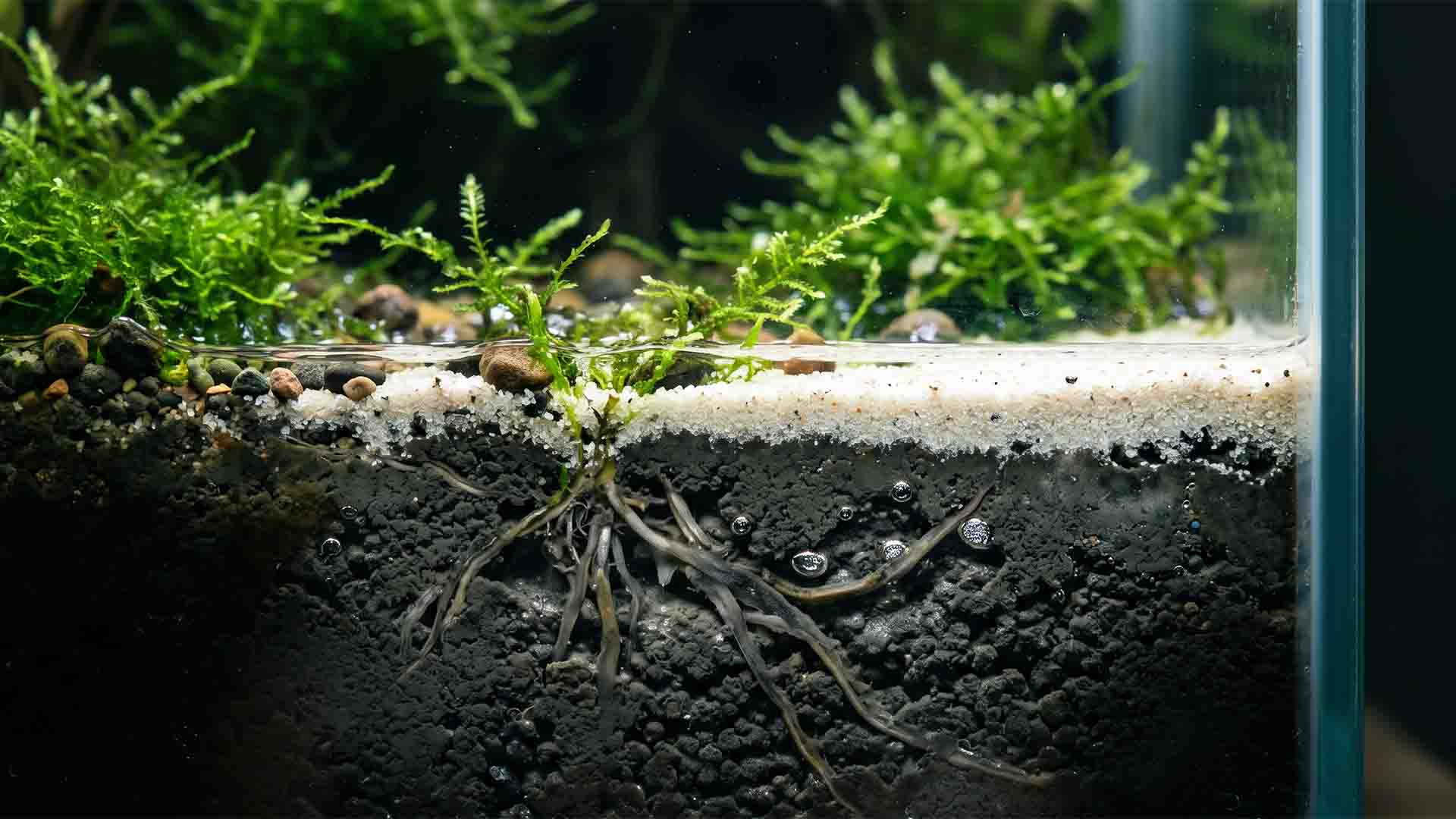
The single most destructive physical error made in dirted and filterless aquariums is mismanaging the substrate grain geometry. Beginners read online that organic potting soil must be capped to prevent dirt from clouding the water column. They spread two inches of rich, unmineralized potting soil across the bottom glass, and then dump a thick, heavy layer of ultra-fine cosmetic silica sand or play sand directly over the top, packing it down tightly to create an aesthetic, spotless beach.
Within thirty to forty-five days, this substrate architecture turns into a subterranean biological trap. Fine silica sand possesses microscopic particle dimensions that pack together under water pressure, dropping interstitial water velocity to absolute zero. Without laminar water movement to drive dissolved oxygen into the substrate bed, the oxygen-reduction potential (redox potential) within the soil layer plummets into deep negative values (below -150 to -200 mV). Deprived of oxygen, aerobic beneficial bacteria perish instantly, and obligate anaerobic sulfate-reducing bacteria, predominantly from the genus Desulfovibrio, take complete control of the substrate matrix.
These sulfate-reducing bacteria utilize sulfate ions present in organic matter as terminal electron acceptors for their respiration, generating toxic dissolved hydrogen sulfide (H2S) gas as an unavoidable metabolic byproduct. Hydrogen sulfide is an acute neurotoxin and cellular respiratory poison. At a microscopic level, dissolved H2S binds irreversibly to cytochrome c oxidase within plant root cells, paralyzing mitochondrial electron transport and halting adenosine triphosphate (ATP) synthesis. The root hairs can no longer absorb water or nutrients. Deprived of oxygen and energy, the aerenchyma tissue inside the plant root channels collapses, rotting the root system into foul-smelling, black gelatinous mush beneath the sand.
When this toxic gas accumulates, aquarists often notice distinct black zones forming along the glass panels beneath the sand line. The moment a plant is uprooted or a keeper disturbs the compacted substrate, trapped hydrogen sulfide pockets rupture into the open water column, binding to hemoglobin in teleost fish gills and suffocating benthic microfauna within minutes. If your natural aquarium has begun producing foul, swampy odors, you are witnessing active substrate rot. To diagnose and neutralize these sub-surface gas traps before they poison your tank, review our forensic guide on why natural ecosystem aquariums smell bad and how to fix them. Furthermore, preventing sub-surface rotting requires matching substrate depth to plant root physiology, a protocol we break down extensively in our analysis of common planted aquarium mistakes.
Mistake 2: The Evaporation-Only Water Top-Off Trap (TDS & Mineral Creep)
One of the most persistent myths surrounding filterless setups is the dangerous promise that you never have to perform a water change again—that all you need to do is periodically top off evaporated water. This advice sounds remarkably simple and natural on paper. In reality, executing evaporation-only maintenance using standard municipal tap water is the fastest way to turn a thriving freshwater biome into a hyper-saline mineral death chamber.
The physics of evaporation are absolute and non-negotiable: pure water (H2O) evaporates into the atmosphere as vapor, leaving 100% of the dissolved minerals, salts, carbonates, silicates, and heavy metals behind in the aquarium. When you pour regular tap water into the tank to replace that lost volume, you are not merely replacing water; you are dumping an entirely fresh batch of dissolved calcium, magnesium, sodium, and chlorides into an existing pool of concentrated minerals. Repeat this process weekly for three months, and your Total Dissolved Solids (TDS) will climb from a healthy 150 ppm to an astronomical 600 or 800+ ppm, while General Hardness (GH) climbs to levels resembling liquid rock.
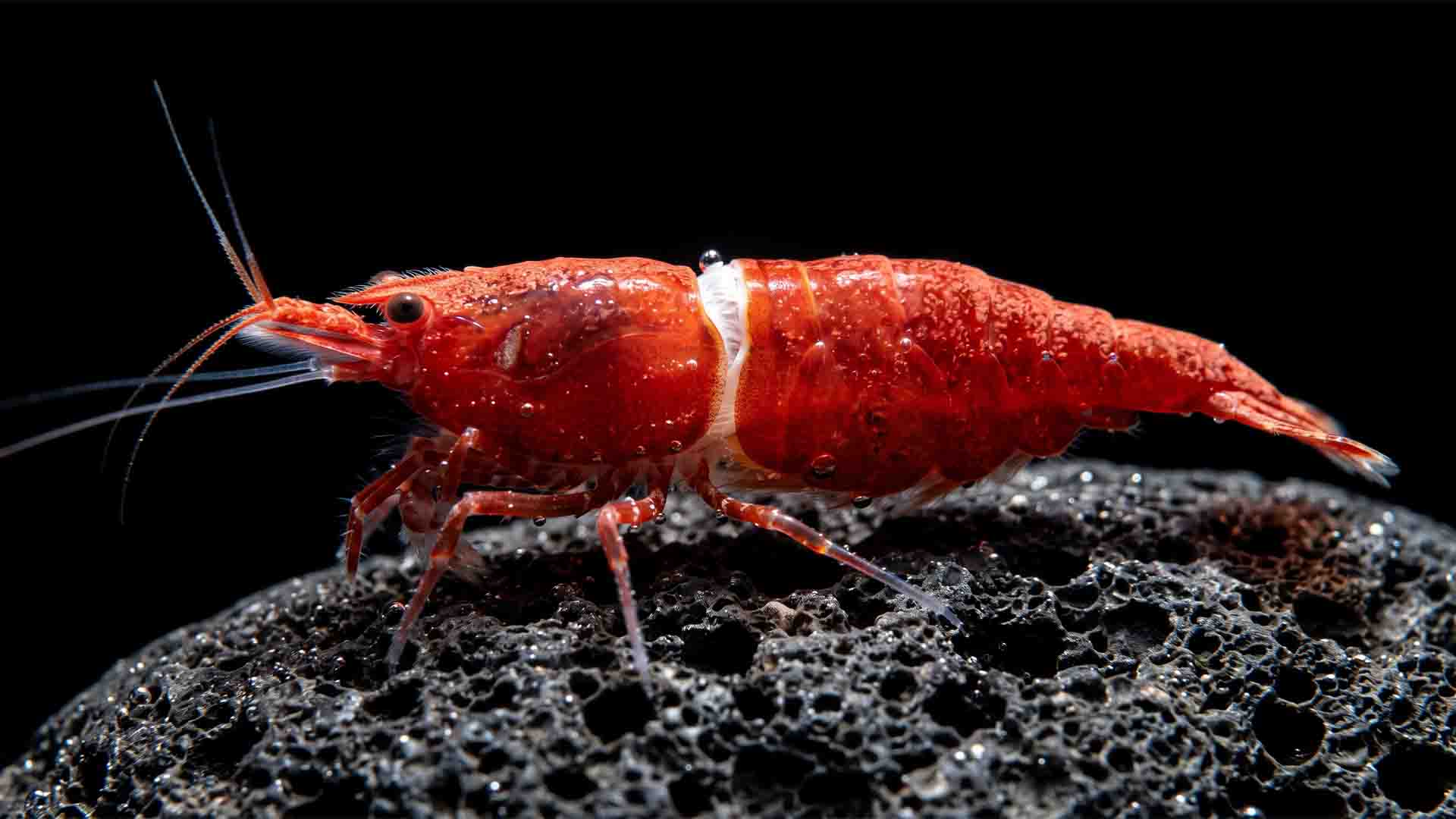
This relentless mineral creep exerts catastrophic osmotic pressure on freshwater organisms, most notably popular invertebrate clean-up crews like Neocaridina davidi (Red Cherry Shrimp). Invertebrates rely on precise osmotic gradients between their internal hemolymph and the surrounding water column to regulate hydration and execute ecdysis (molting). Under hyper-mineralized conditions, the shrimp absorbs excessive calcium and mineral salts, hardening its chitinous exoskeleton prematurely. When the shrimp attempts to shed its old shell, the carapace fails to split along the dorsal seam, trapping the animal inside its own rigid armor. The resulting rupture, widely known as the White Ring of Death, is fatal in over 90% of occurrences.
Fish suffer an equally severe fate. Branchial epithelial cells (chloride cells) on the fish’s gill lamellae are forced to burn enormous quantities of metabolic energy driving ion-transport enzymes against this artificial mineral gradient. Eventually, cellular osmoregulation collapses, leading to renal tubule failure and systemic fluid accumulation. We see this exact physiological collapse occurring in heavy-waste cyprinids subjected to unbuffered, erratic chemistry, as detailed in our clinical protocol on how to save a dying goldfish from osmotic collapse. If your invertebrates are mysteriously vanishing one by one despite pristine nitrogen readings, explore our definitive troubleshooting analysis on why cherry shrimp keep dying and how to stabilize TDS.
Mistake 3: The “Cleanup Crew” Bioload Bomb (Why Common Plecos Destroy Filterless Tanks)
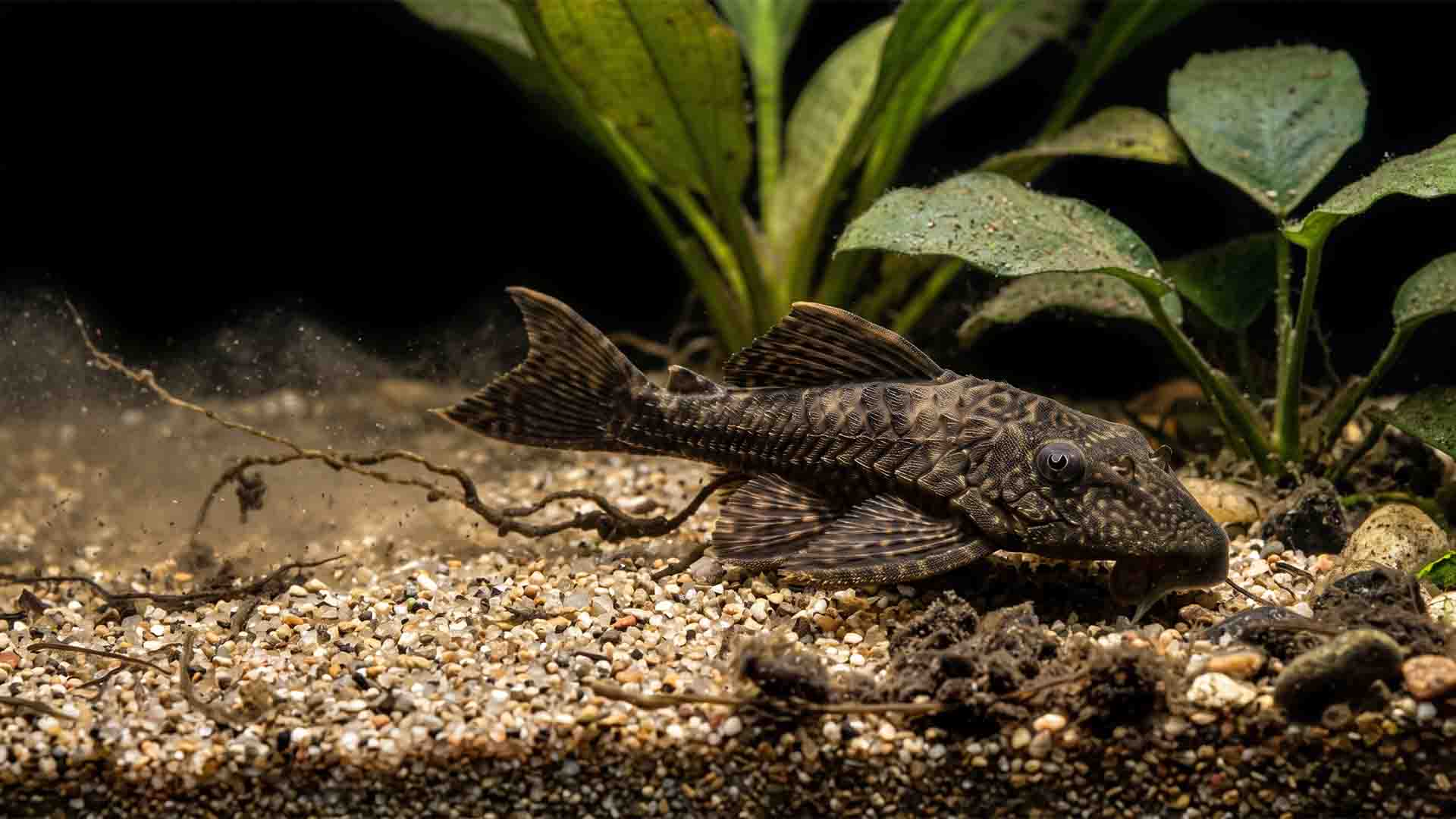
When the first dusting of brown diatom algae coats the glass or green hair algae attaches to moss, the standard retail reflex is to immediately purchase a “clean-up crew” fish. Beginners walk into big-box pet stores and ask for an animal to clean the tank. The retail employee happily scoops out a cute, two-inch juvenile Common Pleco (Hypostomus plecostomus) or a Chinese Algae Eater (Gyrinocheilus aymonieri), promising that this little fish will vacuum the glass spotless and eliminate the need for maintenance.
This action represents the ultimate biological catastrophe for a filterless ecosystem, falling directly into what we classify as the Subcontractor Debt Trap. A fish is an organic consumer and waste-generating biological machine, not a mechanical vacuum cleaner. It does not delete mass from your glass box; it ingests matter, metabolizes a fraction of it, and converts the remainder into dense strings of solid organic waste, un-ionized ammonia, and dissolved organic carbon. Adding a live animal to a dirty tank never reduces the net biological load of the ecosystem; it increases it exponentially.
The juvenile Common Pleco is an evolutionary freight train. Within 12 to 18 months, that two-inch baby expands into an 18-inch armored giant whose digestive physiology is specialized for processing massive quantities of wood pulp, detritus, and aufwuchs. Because its digestive efficiency is remarkably low, the pleco produces extraordinary quantities of heavy fecal matter—often trailing waste strings measuring twice its body length across the substrate floor. In a high-tech setup with heavy mechanical filtration, filter socks, and canister impellers trap this physical waste for manual removal. In a zero-tech natural aquarium, there is zero mechanical export.
The massive waste ropes settle onto the substrate, rapidly decomposing and creating localized biological oxygen demand (BOD) hotspots that consume available dissolved oxygen. Furthermore, as large loricariid catfish thrash across the substrate, their powerful caudal fins act like mechanical bulldozers, ripping rooted plants straight out of the soil, tearing through delicate stems, and releasing buried anaerobic detritus up into the open water column. Before purchasing any species marketed as a tank cleaner, protect your ecosystem by cross-referencing our expose on misleading freshwater fish sold as peaceful cleaners, audit your livestock plan using our comprehensive guide to overrated freshwater fish and resilient swaps, and consult our empirical rankings of the best freshwater aquarium clean-up crew species ranked by real results.
Mistake 4: Surface Biofilm Suffocation (Blocking Oxygen & Atmospheric Gas Exchange)
In a high-tech aquarium, surface agitation is continuous and aggressive. Hang-on-back filter spillways cascade water across the surface, canister lily pipes create rolling vortexes, and bubbling air stones continuously break surface tension. In a low-tech, filterless aquarium running without mechanical pumps or air stones, the water surface remains completely motionless. To the untrained eye, this mirror-like stillness appears serene and natural. Biologically, it is an invisible suffocation trap.
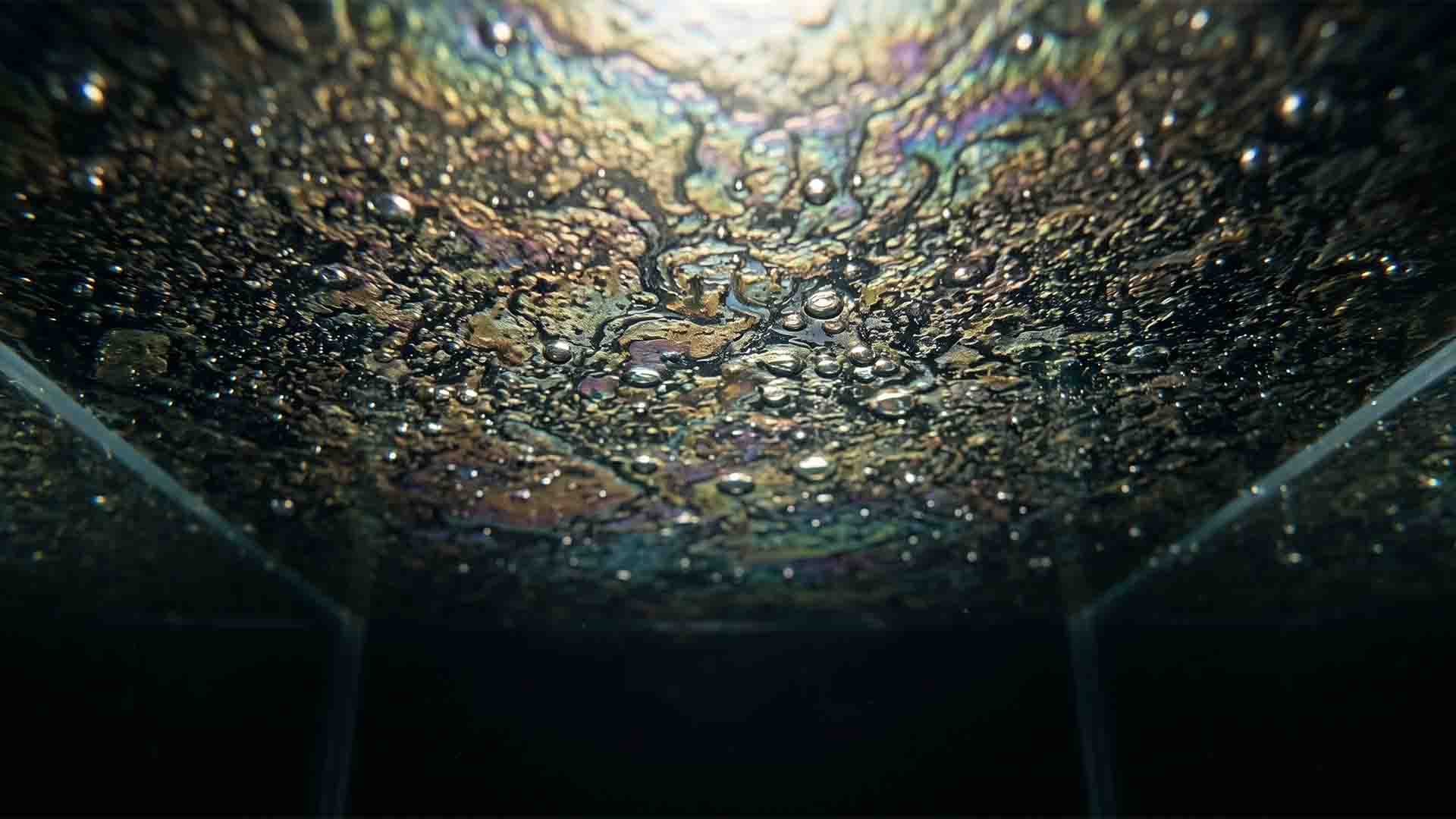
Within days of eliminating surface agitation, organic macromolecules—composed of lipids, hydrophobic proteins from fish food, and cellular exudates from decaying plant tissues—naturally float to the water-air interface. Here, they coalesce into a dense, shimmering, iridescent lipoprotein scum layer. Opportunistic air-breathing heterotrophic bacteria immediately colonize this organic ceiling, secreting an Extracellular Polymeric Substance (EPS) matrix that binds the slick into a durable, semi-permeable biological skin.
According to Fick’s First Law of Diffusion, the rate of gas transfer across a fluid interface is directly proportional to surface area and concentration gradients, and inversely proportional to the resistance of the boundary layer. This dense lipoprotein biofilm drastically increases physical resistance, virtually shutting down passive atmospheric gas exchange. The diffusion coefficient for dissolved oxygen (O2) entering the water column and carbon dioxide (CO2) off-gassing into the air plummets. During daylight hours, photosynthesizing plants produce localized oxygen, masking the problem. But the moment the lights turn off, a physiological crisis begins.
At night, aquatic plants cease photosynthesis and become net oxygen consumers alongside fish, invertebrates, and millions of aerobic bacteria. In a stagnant tank sealed by an unbroken surface protein biofilm, nocturnal dissolved oxygen levels frequently drop below 2.0 to 3.0 mg/L. Sessile nitrifying bacteria (Nitrosomonas and Nitrospira) starve of oxygen and halt metabolic processing, while benthic microfauna perish from acute hypoxia. Even specialized labyrinth fish like Bettas, widely marketed as species that thrive in stagnant bowls because they breathe surface air, suffer immense pathology under heavy biofilm. Every time an anabantoid breaks through the greasy surface scum to gulp air, it coats its delicate suprabranchial labyrinth organ in concentrated bacterial pathogens, driving chronic labyrinthitis and respiratory failure as documented in our definitive investigation on deadly betta fish care mistakes.
Mistake 5: Substrate Anatomy Errors: Stem Plants vs. Smothered Rhizome Rot
A natural, filterless ecosystem relies entirely on living vegetative biomass to function as its physical, chemical, and biological filter. However, beginner aquarists routinely treat all aquatic flora as identical green ornaments, ignoring the fundamental morphological and vascular differences between distinct plant classifications. The most widespread botanical failure in low-tech setups involves burying epiphytic rhizome species directly into the dirt and sand substrate bed.
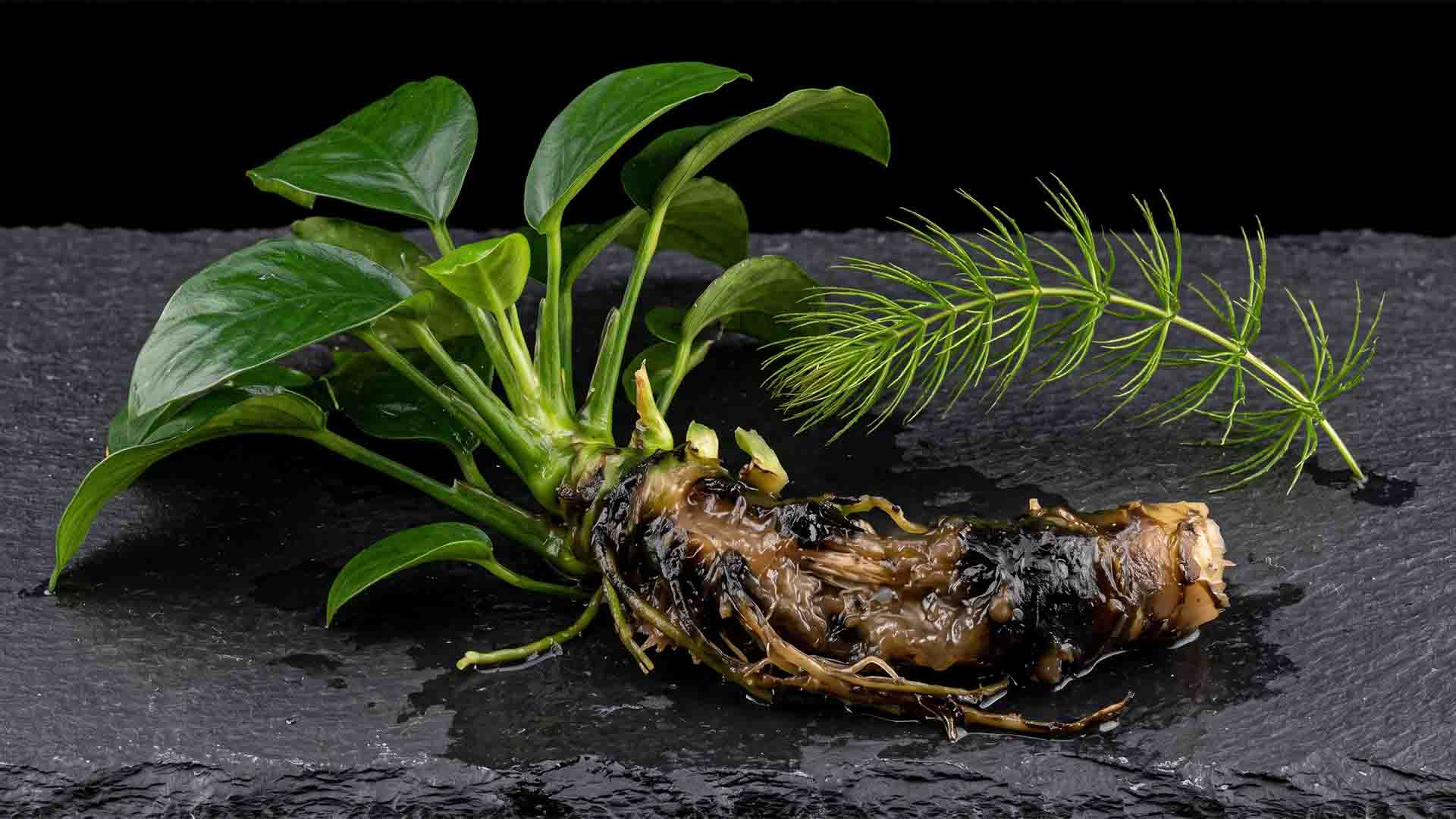
Popular, durable species such as Anubias varieties (Anubias barteri, Anubias nana), Java Fern (Microsorum pteropus), and Bucephalandra species are obligate epiphytes. In their native riverine habitats, they do not grow in soil; their adventitious roots anchor securely to granite boulders and submerged driftwood exposed to continuous, oxygenated river currents. The central horizontal green structure of these plants is not a root; it is a modified vascular stem called a rhizome. The rhizome houses specialized internal gas-transport channels known as aerenchyma tissue, which require constant contact with oxygenated, moving water to fuel cellular respiration and maintain structural immunity.
When an unsuspecting hobbyist shoves an Anubias or Java Fern rhizome deep beneath sand and potting soil, vascular strangulation occurs. Beneath the substrate, interstitial oxygen levels are minimal. Deprived of oxygen flow, the aerenchyma tissue suffocates, cellular respiration grinds to a halt, and the plant’s production of defensive phenolic compounds ceases. Opportunistic pectolytic bacteria (predominantly Pectobacterium carotovorum and saprophytic Pseudomonas species) immediately invade the oxygen-starved tissue, liquefying internal cell walls. The classic symptom is unmistakable: seemingly healthy green leaves begin detaching cleanly at the petiole base, and within two weeks, the entire rhizome dissolves into a foul, black sponge that disintegrates when touched.
Conversely, a self-sustaining tank desperately requires heavy, fast-growing nutrient-sponging macrophytes—true water-column stem feeders like Hornwort (Ceratophyllum demersum), Water Wisteria (Hygrophila difformis), and floating plants like Salvinia minima. These rapid growers lack woody rhizomes; instead, they possess massive surface-area foliage engineered to absorb free ammonium (NH4+) and un-ionized ammonia directly through their leaf cuticles at rates ten times faster than slow-growing epiphytes. If you are struggling with melting foliage, yellowing crowns, or mysterious rot, consult our foundational framework on how to build a self-sustaining aquarium without CO2 or filters to properly map plant species to their functional ecological zones.
Mistake 6: Overfeeding Dry Pellets & Heterotrophic Bacterial Blooms (DOC Overload)
In a standard aquarium equipped with an oversized motorized canister filter, overfeeding is an aesthetic annoyance that produces brown mechanical sludge inside synthetic filter pads. In a self-sustaining, filterless ecosystem, overfeeding commercial dry processed pellets is a direct trigger for systemic ecological asphyxiation. When you eliminate mechanical turnover and automated surface skimming, every single milligram of dry food introduced into the environment must be metabolized biochemically within a closed thermodynamic loop.
Commercial dry pellets and fish flakes are industrial concentrates loaded with terrestrial wheat fillers, soy meal binders, synthetic starches, and concentrated proteins. The moment an uneaten pellet hits the substrate or sits trapped in vegetative moss, it undergoes rapid hydro-expansion, leaching massive quantities of Dissolved Organic Carbon (DOC), labile carbohydrates, and free amino acids directly into the water column. In a natural biotope, the primary processors of macroscopic waste are benthic macro-invertebrates and specialized fungal networks. However, when free DOC spikes uncontrollably, it bypasses benthic pathways and triggers an immediate explosion of free-swimming, planktonic heterotrophic bacteria.
The microbial math behind this explosion is brutal. Autotrophic nitrifying bacteria (such as Nitrosomonas and Nitrospira) are slow-growing, highly delicate lithotrophs with doubling times ranging from 15 to 24 hours under ideal laboratory conditions. Planktonic heterotrophic bacteria, by contrast, possess doubling times as rapid as 20 to 30 minutes. In the presence of concentrated dissolved organic carbon, these opportunistic heterotrophs undergo logarithmic population growth, multiplying from thousands of cells per milliliter to billions within an eight-hour window. The physical symptom is immediate: the crystal-clear water turns into a dense, chalky, milky fog practically overnight.
This milky haze is not harmless mineral dust; it is a living biomass cloud with an insatiable metabolic appetite. Heterotrophic bacteria are obligate oxygen consumers. During an unmanaged bloom, microbial cellular respiration strips dissolved oxygen (DO) out of the water column at rates that outpace passive atmospheric diffusion. As DO drops toward lethal hypoxia thresholds (below 2.0 mg/L), sessile nitrifiers stall completely, invertebrate clean-up crews begin dying at the substrate bed, and fish exhibit erratic swimming patterns or hover gasping at the water surface. Beginners routinely panic during this phase and make catastrophic maintenance errors. If your natural aquarium has suddenly turned milky white, do not reach for chemical flocculants or execute emergency water replacements; read our definitive clinical manual on 10 cloudy water mistakes that reset your nitrogen cycle to restore equilibrium without destroying your establishing biofilter.
Mistake 7: The Sterile Box Trap: Skipping Freshwater Microfauna & Copepods
Modern fishkeeping culture has been thoroughly conditioned by the sterile appliance mindset. Hobbyists wash glass with vinegar, bleach artificial decorations, purchase irradiated laboratory tissue-culture plants sealed in plastic tubs, and fill their tanks with chemically treated municipal tap water. They assemble a sparkling, sterile container, populate it with sterile substrate, and expect a thriving, perpetual natural ecosystem to manifest out of nothingness. This fundamental error is what we define as the Sterile Box Trap.
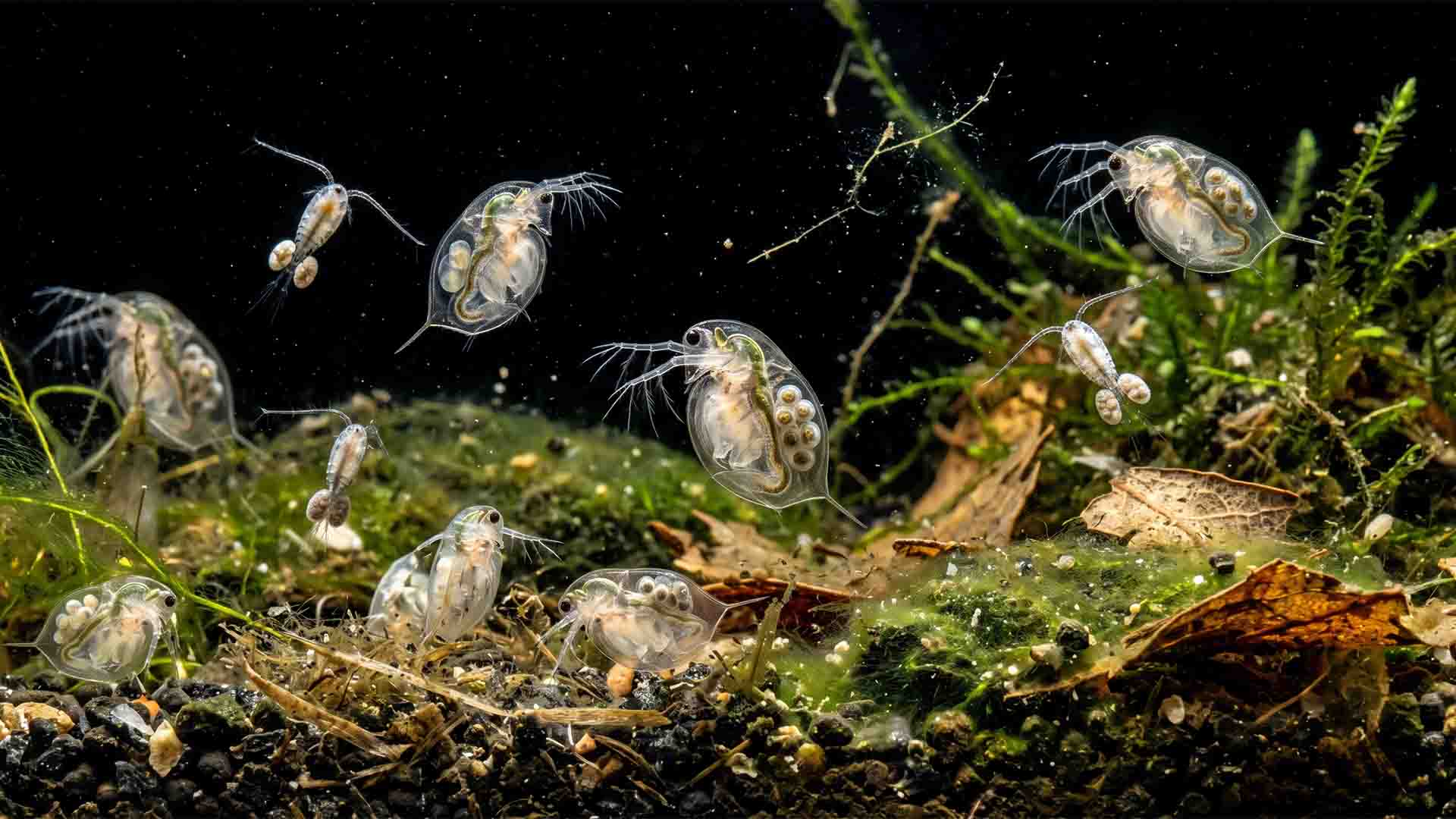
A true self-sustaining aquarium is not a fish tank with live plants; it is a multi-trophic food web. In the wild, teleost fish and higher vertebrates represent the narrow tip of an immense ecological pyramid. The real engine of biological recycling and nutrient transport resides entirely in the lower benthic trophic tiers: the microscopic detritivores, benthic meiofauna, and pelagic zooplankton. When you construct a tank using exclusively sterile, commercially sanitized components, you eliminate the middle layer of the food chain, creating an insurmountable biological chasm between decomposing raw organic matter and living plant tissues.
Without an established population of benthic micro-crustaceans—most critically Daphnia pulex, Cyclops copepods, seed shrimp (Ostracods), and freshwater annelids like Stylaria lacustris—solid detritus and particulate organic matter (POM) cannot be mechanically broken down. Ostracods and benthic copepods act as living shredders, grinding decaying plant matter, fungal hyphae, and fish feces into fine mineralized castings that soil microbes can readily process. Simultaneously, pelagic filter-feeders like Daphnia cruise through the open water column, constantly vacuuming up free-swimming heterotrophic bacteria and single-celled phytoplankton, single-handedly preventing bacterial blooms and keeping the water column optically transparent.
When hobbyists introduce predatory fish into a system devoid of established microfauna, the structural integrity of the ecosystem dissolves. Furthermore, stocking oversized or aggressive mid-water predators into a developing natural biome immediately exterminates whatever pioneer micro-crustaceans manage to emerge. We see this predatory collapse frequently when aquarists introduce mid-water ambush predators like cichlids without proper structural architecture, a dynamic detailed in our field breakdown of angelfish mistakes in community setups. To maintain long-term stability without equipment, you must actively seed your system with clean, cultured live microfauna before introducing vertebrate livestock, and select resilient, micro-predator-compatible species from our curated analysis of underrated freshwater fish built to survive natural biotope dynamics.
Mistake 8: The 12-Hour Photoperiod Algae Trap (Photosynthetic Burnout)
Beginner aquarists often assume that if a little bit of light is good for plants, an immense blast of continuous light must be incredible. They mount high-output full-spectrum LED fixtures over their filterless aquariums, dial the intensity to maximum output, and leave the fixture blazing for twelve to fourteen hours a day so they can enjoy looking at their tank from morning until late at night. Within three weeks, the glass panels, stem leaves, and hardscape are smothered under thick carpets of green dust algae, cyanobacteria sheets, and choking staghorn filaments.
This failure stems from a complete misunderstanding of the biochemical kinetics of non-CO2 photosynthesis. In an aquatic environment lacking pressurized carbon dioxide injection, the concentration of dissolved CO2 is strictly governed by atmospheric diffusion and internal biological respiration, typically hovering between 2.0 and 5.0 ppm. Under moderate illumination, submersed aquatic plants rapidly absorb this minuscule carbon pool to fuel the Calvin cycle. Within the first three to four hours of continuous photoperiod, the available dissolved carbon dioxide within the leaf boundary layer and open water column is virtually depleted.
Once dissolved CO2 drops below the compensation threshold, the plant’s light-dependent reactions become uncoupled from carbon fixation. Photons continue striking the chlorophyll pigments in the chloroplasts, exciting electrons through photosystem II (PSII). However, because there is no carbon available for the enzyme ribulose-1,5-bisphosphate carboxylase-oxygenase (Rubisco) to process, that excess radiant energy cannot be channeled into carbohydrate synthesis. This phenomenon, known as photoinhibition, triggers the formation of reactive oxygen species (ROS) like singlet oxygen and hydrogen peroxide inside plant cells. The plant is literally burning under photon stress, suffering cellular chloroplast degradation and leaking organic nutrients through damaged cell walls.
Opportunistic, lower-order photosynthetic organisms—namely filamentous green algae and mixotrophic cyanobacteria—do not share these biochemical bottlenecks. Many algae species possess highly efficient Carbon Concentrating Mechanisms (CCMs) and can actively utilize bicarbonate ions (HCO3-) directly from water hardness with minimal energy expenditure. By blasting your aquarium with twelve hours of uninterrupted high-intensity light, you exhaust your advanced vascular plants within four hours and hand the remaining eight hours of pristine photon energy directly to an algae invasion. A self-sustaining, low-tech aquarium must operate on a strict, conservative photoperiod—ideally six to seven hours of total illumination, or a split “siesta” schedule (four hours on, two hours off, four hours on) to allow ambient respiratory CO2 levels to naturally recharge in the water column.
Mistake 9: Perfectionist Rescaping: Releasing Trapped Substrate Toxicity
The visual aquascaping movement across modern social media has created an obsession with cosmetic perfection. Beginners observe seasoned aquascapers constantly tweaking hardscape layouts, uprooting massive stem bushes, replanting foregrounds, and smoothing sand lines with specialized stainless-steel spatulas. When a novice applies this restless, perfectionist maintenance rhythm to a dirted, filterless ecosystem, they inadvertently detonate a chemical bomb across their entire substrate architecture.
A natural dirted substrate bed is not an inert pile of gravel; it is a highly structured, stratified geochemical reactor. Over a period of forty to ninety days, the substrate bed naturally organizes into distinct thermodynamic and microbiological layers. The upper few millimeters in direct contact with the water column maintain an aerobic profile with a positive redox potential. Beneath this boundary, the oxygen gradient drops sharply, establishing sub-oxic and anoxic zones where specialized obligate anaerobes reduce nitrate (denitrification), reduce insoluble iron and manganese into bio-available forms, and slowly humify organic carbon into stable peat-like compounds.
When an aquarist aggressively uproots a deeply anchored macrophyte like an Amazon Sword (Echinodorus) or Cryptocoryne to move it two inches to the left, the physical sand cap is ruptured. The dense root system acts like a physical piston, dragging deep, unmineralized, highly reducing potting soil straight up into the aerobic water column. This mechanical disturbance shatters the delicate redox boundaries instantly. Massive quantities of sequestered particulate organic matter, concentrated free ammonium ions (NH4+), organic humic acids, and toxic hydrogen sulfide gas are violently blasted into suspension.
The immediate consequence is an acute Chemical Oxygen Demand (COD) spike. Reduced iron and sulfide compounds instantly react with available dissolved oxygen in the water column, consuming O2 through inorganic oxidation faster than passive gas diffusion can replenish it. Simultaneously, the exposed ammonium undergoes chemical equilibrium shifts into toxic un-ionized ammonia (NH3) if your pH is alkaline, stripping the slime coat from fish and burning the gill lamellae. A natural, self-sustaining aquarium demands physical substrate discipline: you must plant heavily on Day 1, use sharp curved scissors to trim stems at the substrate line rather than ripping roots from the soil, and never disturb the sand-soil boundary once biological stratification has established.
Mistake 10: The Day-Three False Finish Line: Rushing Livestock into Fragile Chemistry
Perhaps the most heartbreaking failure in the low-tech hobby occurs when an excited beginner rushes livestock into a newly flooded setup simply because the calendar says a few days have passed and the water looks visually transparent. The hobbyist sets up the soil, caps it with sand, floods the tank, connects a light timer, and tests the water on Day 3. The ammonia test tube reads zero, the water is crystal clear, and the tank appears peaceful. Convinced that the natural method has performed an instant miracle, the keeper drives to the local aquarium shop and purchases a complete school of delicate schooling tetras, fancy longfin guppies, or sensitive dwarf cichlids.
Within seventy-two hours of introducing the livestock, the disaster begins. The fish become lethargic, lose their color, refuse food, and begin gasping at the surface. Ammonia levels spike from zero to lethal thresholds, water clarity collapses into a dense bacterial soup, and within a week, the majority of the livestock is dead. The beginner concludes that filterless tanks are impossible myths perpetuated by dishonest content creators, drains the aquarium in frustration, and packs the glass box into the attic.
What the hobbyist experienced was not a failure of the filterless method; it was a total failure to understand the difference between cosmetic water clarity and biological carrying capacity. On Day 3, your aquarium is not stable; it is completely uncolonized. The nitrifying biofilm that processes nitrogenous waste does not exist in meaningful densities across glass and plant surfaces. The soil has barely begun hydrating, and the macrophyte root systems have not even generated new root hairs to facilitate direct ammonium absorption. The water tested zero for ammonia prior to livestock addition simply because there were zero biological waste inputs into the glass box.
The moment a full bioload of metabolic organisms is dropped into that fragile, uncolonized environment, the input of biological waste instantly swamps the non-existent processing engine. The system has zero biological buffer. In small-scale setups, this sudden bioload shock is amplified exponentially by volume constraints. We analyze the exact hydrodynamic and volumetric thresholds required to sustain aquatic life in our clinical breakdown of nano fish selection and stocking boundaries for 5-gallon systems. A natural ecosystem requires a structured, multi-week landing phase: plants must root, microfauna must colonize, biofilms must mature, and initial livestock must be introduced gradually, species by species, to allow the biological engine to scale in tandem with waste output.
The 90-Day Biological Breakdown Timeline (Visual Clarity vs. Biochemical Reality)
Aquarium failures in filterless systems do not occur randomly. They follow an exact, predictable chronological degradation curve where visual superficial health actively masks catastrophic sub-surface biological debt. The matrix below outlines what the aquarist sees versus the physiological and microbiological realities occurring behind the glass over a ninety-day operational window:
| Timeline Phase | Cosmetic Illusion (What You See) | Biochemical Reality (Under The Hood) | System Risk Level | FTM Corrective Protocol |
|---|---|---|---|---|
| Days 1 – 7: The Sterile Honeymoon | Water is sparkling and transparent; test strips read 0 ppm across the board; plants look identical to store condition. | System is biologically inert; zero autotrophic nitrifiers established; unmineralized soil begins absorbing water and depleting interstitial oxygen. | Critical (High Risk of False Confidence) | Zero vertebrate livestock. Restrict lighting to 6 hours max. Dose pure cultured microfauna (copepods, Daphnia) and wait. |
| Days 8 – 21: The Heterotrophic Surge | Water develops a faint opalescent haze; brown diatom dust appears on glass; emersed plant leaves begin melting. | Planktonic heterotrophic bacteria multiply rapidly to metabolize dissolved soil organics; plants shed terrestrial foliage to reallocate resources to aquatic roots. | Moderate (Vulnerable to Panic Resets) | Do NOT perform large water changes. Remove melting emersed leaves manually. Maintain surface agitation to clear lipoprotein film. |
| Days 22 – 45: The Subterranean Shift | Water clears up; fast-growing stems show new green shoot tips; beginner assumes tank is bulletproof and adds heavy fish bioload. | Fine sand compaction drives deep negative redox potentials; sulfate-reducing bacteria (Desulfovibrio) colonize soil pockets; interstitial H2S begins accumulating. | Severe (Subterranean Debt Accumulation) | Verify root penetration of heavy root-feeders. Introduce Malaysian Trumpet Snails to mechanically aerate sand cap without breaching soil layer. |
| Days 46 – 75: The Mineral Creep Window | Everything appears visually normal, but Neocaridina shrimp fail molts (White Ring of Death); slow-growing Anubias crowns show black margins. | Evaporation-only top-offs with municipal tap water have doubled TDS and GH; osmotic pressure disrupts invertebrate ecdysis; epiphyte rhizomes rot if buried. | Extreme (Cellular Osmotic Breakdown) | Switch immediately to 100% RO or distilled water for evaporation top-offs. Execute tiny (10%) gradual water changes using mineral-matched pure water. |
| Days 76 – 90+: The Systemic Reckoning | Sudden catastrophic crash: fish gasp at surface during darkness; black rotting roots unseat from substrate; foul rotten-egg odor erupts. | Biological debt matures; surface protein film completely blocks O2 diffusion; subterranean H2S breaches water column; widespread anoxic cellular necrosis. | Terminal System Collapse | Full ecosystem architecture reset. Uncap compacted sand, eliminate retail bioload bombs, prune necrotic roots, and restore laminar gas exchange. |
What to Avoid in Filterless Ecosystem Tanks (5 Destructive Beginner Reflexes)
When biological imbalances appear in a zero-tech natural aquarium, the instinctive human impulse is to intervene aggressively with traditional maintenance reflexes. In an ecosystem running without mechanical life-support hardware, these well-intentioned beginner reflexes almost universally accelerate systemic collapse. Eliminate these five destructive operational habits immediately:
- 1. The Panic Massive Water Change During Bacterial Blooms: When the water column turns milky white, beginners immediately grab siphons and drain 70% to 80% of the aquarium volume. Why it feels right: In human sanitation, removing contaminated fluid restores purity. What it silently breaks: Planktonic heterotrophs reproduce exponentially; diluting them merely provides the survivors with a massive influx of fresh trace minerals, dissolved oxygen, and un-buffered chemistry, triggering a secondary bloom within twelve hours. Worse, massive water dumps expose establishing beneficial biofilms to osmotic whiplash and chlorine residuals. What to do instead: Leave the water completely alone, pause feeding for 48 hours, ensure gentle surface agitation for gas exchange, and let the bacterial bloom consume available dissolved organic carbon and starve itself into extinction naturally.
- 2. Pouring Chemical Algaecides and “Liquid Carbon” Glutaraldehyde: The moment green hair algae or brown diatoms coat plants, keepers dump commercial liquid algaecides or glutaraldehyde solutions into the water. Why it feels right: Bottled chemicals promise instant eradication of unsightly algae without physical labor. What it silently breaks: Glutaraldehyde is an industrial sterilant and cytotoxic cross-linking fixative, not liquid carbon. In a filterless tank with zero mechanical water turnover, it decimates delicate cell membranes of non-vascular plants (like Hornwort, Vallisneria, and aquatic mosses), exterminates your benthic microfauna colony (Daphnia, copepods), and drives dissolved oxygen levels into a freefall. What to do instead: Mechanically roll algae onto a toothbrush, reduce photoperiod duration to six hours, and introduce fast-growing floating plants like Salvinia minima to outcompete algae for light and nitrogen.
- 3. Deep Substrate Gravel Vacuuming into the Soil Layer: Hobbyists take standard plastic siphon tubes and plunge them deep into the sand bed, churning the soil layer to vacuum out detritus. Why it feels right: Keeping the substrate visually pristine feels like responsible, hygienic aquarium husbandry. What it silently breaks: It physically shatters the benthic boundary layer, destroying established anaerobic denitrification micro-zones and unearthing reduced toxic sulfides and sequestered ammonium straight into the water column, poisoning teleost gill lamellae. What to do instead: Hover the siphon tube one inch above the sand surface to lift loose, unsightly surface mulm without disturbing the structured substrate cap beneath.
- 4. Relying on “Instant-Cycle” Bacteria Bottles as a Livestock Shield: Pouring commercial bottled bacteria into a three-day-old tank and immediately loading it with high-waste livestock. Why it feels right: Marketing claims on commercial bottles promise an instantaneous biological filter that allows immediate, complete fish stocking. What it silently breaks: Most bottled bacteria products contain spore-forming heterotrophs or refrigerated strains with short shelf lives that cannot establish permanent, sessile nitrifying biofilms overnight. Relying on these products creates a catastrophic false sense of security, encouraging hobbyists to overstock an unestablished environment that possesses zero biological buffer. What to do instead: Seed your ecosystem with aged filter squeezings or substrate from an existing healthy tank, introduce hardy pioneer microfauna, and wait a minimum of twenty-one days before introducing your first vertebrate animals.
- 5. Dosing Synthetic Chemical Flocculants and Clarifiers: Adding polymeric water clarifiers to coagulate suspended particulates in a cloudy filterless tank. Why it feels right: The product packaging shows sparkling diamond-clear water within two hours of application. What it silently breaks: Polymeric flocculants function by binding microscopic suspended particles into dense, heavy agglomerations that settle out of suspension. In a tank with mechanical canister filters, synthetic filter floss captures these clumps for manual removal. In a zero-tech tank with no mechanical filter, these chemical flocs settle directly onto plant leaves, smothering photosynthetic stomata, and coat the secondary lamellae of fish gills, severely impairing oxygen diffusion. What to do instead: Identify the root biological driver of the turbidity—whether it is mechanical sand dust, organic particulate suspension, or heterotrophic bacterial proliferation—and allow natural benthic sedimentation and microfauna grazing to clear the water column.
Do This Instead: The 6-Step Biological Architecture Reset Protocol
If your filterless, self-sustaining aquarium is currently spiraling through delayed failure—manifesting cloudy water, melting plant crowns, dying invertebrates, or foul odors—you must abandon generic retail advice and execute a disciplined, science-backed biological architecture reset. Follow this operational framework to restore equilibrium:
- Step 1: Terminate Organic Import and Fast the Ecosystem: Cease all commercial feeding immediately for 72 hours. Invertebrates and microfauna will immediately pivot to grazing down accumulated detritus, decaying plant matter, and epiphytic algae biofilms across surfaces. Your fish will not starve; their metabolic baselines will stabilize, dropping branchial ammonia excretion to near zero.
- Step 2: Strip the Surface Protein Biofilm Manually: Lay clean, unprinted paper towels flat across the motionless water surface for three seconds and lift them cleanly away. Repeat this process three times until the iridescent lipid scum layer is completely removed. Immediately reposition your water level or introduce a tiny, ultra-low-wattage micro-bubbler or air stone dialed to a whisper, creating gentle rolling surface tension ripples without disturbing the substrate bed. This single adjustment restores Fickian atmospheric gas diffusion, driving dissolved oxygen into the hypoxic water column.
- Step 3: Audit and Correct Substrate Anatomy: Inspect your botanical species. If you have Anubias, Java Fern, or Bucephalandra rhizomes buried beneath sand, unearth them immediately. Secure them to hardscape wood or porous lava stone using cotton thread or aquarium-safe cyanoacrylate gel. Ensure true rooted macrophytes (like Cryptocoryne or Vallisneria) have their root crowns positioned strictly above the sand cap line to prevent vascular crown rot.
- Step 4: Transition Top-Off Maintenance to 100% Reverse Osmosis (RO) Water: Measure your current Total Dissolved Solids (TDS) using a calibrated digital meter. Cease topping off evaporated water with municipal tap water. Moving forward, replenish 100% of evaporated volume with pure RO or steam-distilled water (0 ppm TDS). This permanently arrests mineral creep, halts the accumulation of heavy calcium and magnesium salts, and stabilizes osmotic pressure for molting invertebrates.
- Step 5: Seed Pioneer Benthic Microfauna Cultures: Obtain live cultures of freshwater copepods (Cyclops), Daphnia pulex, and seed shrimp (Ostracods) from a clean, pathogen-free biological source. Introduce these micro-crustaceans into the aquarium during lights-out. These organisms will immediately colonize the substrate crevices and open water, establishing the missing trophic bridge that actively consumes suspended heterotrophic bacteria and fragments solid detritus into bio-available plant nutrients.
- Step 6: Deploy Heavy Surface Floating Macrophytes: Cover at least 50% of the water surface with rapid-growing, floating macrophytes—specifically Salvinia minima, Red Root Floaters (Phyllanthus fluitans), or Amazon Frogbit (Limnobium laevigatum). Floating plants have unrestricted access to atmospheric carbon dioxide (400+ ppm CO2 in ambient air versus 2-3 ppm in water), allowing them to metabolize dissolved ammonium (NH4+) and nitrates at ten times the speed of submersed flora, effectively starving lower-order algae and acting as an indestructible biological export engine.
When engineering a closed-loop natural aquarium, your primary physical buffer against environmental fluctuation is spatial volume and biological surface area. While nano systems can succeed under extreme discipline, beginners should aim for a larger biological margin. To understand how water volume, spatial territory, and swimming zones interact to maintain zero-tech equilibrium, audit your baseline aquarium dimensions using our strategic blueprint for the best fish for a 20-gallon aquarium and long-term ecosystem architecture.
To eliminate diagnostic guesswork and replace common beginner beliefs with hard biological reality, cross-reference your maintenance habits against the comparative diagnostic matrix below:
| Systemic Error | Beginner Belief (Why It Feels Right) | Physiological / Chemical Mechanism | The Permanent FTM Protocol |
|---|---|---|---|
| Compacted Fine Sand Cap | “Fine white sand looks pristine, keeps dirt down, and replicates a tropical beach.” | Packs under hydrostatic pressure; drives redox potential < -150 mV; sulfate reducers synthesize cytotoxic H2S gas, rotting aerenchyma tissue. | Use coarse river sand or 1–2 mm quartz gravel; maintain cap depth at 1.0 to 1.5 inches; deploy trumpet snails to maintain interstitial gas flow. |
| Tap Water Top-Offs | “Replacing evaporated water with fresh tap water keeps the tank full and healthy.” | Pure H2O evaporates; mineral ions remain; cumulative mineral creep drives TDS > 600 ppm, causing invertebrate molting failure (White Ring of Death). | Top off evaporated volume exclusively with 100% pure RO or distilled water (0 ppm TDS); preserve baseline GH/KH parameters indefinitely. |
| Plecos as Algae Cleaners | “The pet store employee said this baby catfish will keep the glass spotless forever.” | Massive metabolic scaling (metabolic mass scales exponentially relative to length cubed); low digestive efficiency produces continuous solid waste without mechanical filter export. | Eliminate large loricariids; utilize micro-herbivores (Clithon corona snails, Neocaridina shrimp) whose waste output scales within biological capacity. |
| Motionless Water Surface | “Natural swamps and forest ponds are silent and still; surface bubbles look unnatural.” | Lipoprotein molecules form a monomolecular surface film; boundary layer resistance shuts down passive atmospheric O2/CO2 gas diffusion. | Maintain gentle, rolling surface agitation using an ultra-low-flow air whisperer or slightly elevated return ripple; break surface tension 24/7. |
| Burying Epiphyte Rhizomes | “All plants have green parts and roots; shoving everything into dirt makes them grow.” | Rhizomes require flowing, oxygenated water for cellular respiration; subterranean anoxia triggers pectolytic bacterial rot (Pectobacterium). | Mount Anubias, Microsorum, and Bucephalandra exclusively to hardscape; reserve substrate rooting strictly for true macrophytes (stems and crypts). |
Scientific Truths: Benthic Microbiology, Osmotic Shock, and Gas Diffusion
When you strip away internet folklore, aesthetic aquascaping trends, and commercial product marketing, an aquarium is governed strictly by the laws of thermodynamics, fluid mechanics, and evolutionary cellular biology. A self-sustaining, filterless ecosystem is not an enchanted glass ornament; it is a closed biochemical reactor operating under unforgiving physical constraints. When a natural aquarium collapses thirty or sixty days after setup, it is never the result of bad luck or mysterious forces. It is the direct, predictable outcome of exceeding the biological tolerance thresholds of living tissues. To engineer a system that survives permanently without motorized hardware, you must master the four foundational scientific truths governing low-tech aquatic biomes.
Truth 1: Redox Potential and Anaerobic Sulfate Reduction in Compacted Sediments
The health of an aquatic substrate bed is determined by its oxidation-reduction potential (redox potential, measured in millivolts, mV), which dictates which microbial metabolic pathways dominate the subterranean environment. In a natural, healthy riverbed, continuous groundwater percolation and laminar current drive dissolved oxygen deep into coarse sediment grains, maintaining a positive redox profile (above +100 mV). Under these aerobic conditions, aerobic heterotrophs and autotrophic nitrifiers mineralize organic matter into bio-available orthophosphates, sulfates, and nitrates that vascular root systems absorb efficiently.
When an aquarist caps unmineralized organic potting soil with fine silica sand under hydrostatic water pressure, pore-water velocity drops to zero. As trapped aerobic microbes consume the initial interstitial oxygen, the redox potential plummets precipitously into deep negative territory, sinking past -150 mV to -250 mV. Once oxygen and nitrate electron acceptors are completely exhausted, obligate anaerobic sulfate-reducing bacteria, primarily from the genus Desulfovibrio, take complete control of the substrate matrix. These specialized bacteria utilize sulfate ions present in organic matter as terminal electron acceptors for anaerobic cellular respiration, producing toxic dissolved hydrogen sulfide (H2S) gas as a mandatory metabolic byproduct.
Hydrogen sulfide is a devastating protoplasmic poison. At a molecular level, un-ionized H2S diffuses rapidly across semi-permeable cell membranes. Once inside plant root cells, it binds with extreme affinity to the ferric iron ions located within cytochrome c oxidase, the terminal enzyme complex of the mitochondrial electron transport chain. This binding completely arrests mitochondrial cellular respiration, halting the synthesis of adenosine triphosphate (ATP). The root hairs lose their selective permeability, ion transport pumps shut down, and the specialized internal air channels known as aerenchyma tissue undergo cellular autolysis. The entire root architecture disintegrates into necrotic, blackened slime, severing the plant’s vascular connection to the substrate. Discover the microbiological mechanisms of anaerobic sediment ecology on ScienceDirect.
Truth 2: Branchial Osmoregulation and Cellular Lysis Under Mineral Creep
Freshwater teleost fish and benthic invertebrates are obligate hyperosmotic regulators. Because the internal ionic concentration of their blood plasma and hemolymph (approximately 280 to 320 mOsm/L) is significantly higher than that of their surrounding freshwater environment (typically under 10 to 15 mOsm/L), water molecules constantly flood into their bodies via passive osmosis across the semi-permeable epithelial membranes of their gills and digestive tracts. Simultaneously, essential physiological electrolytes—predominantly sodium, chloride, potassium, and calcium—continuously leak outward into the water column down their steep concentration gradients.
To counteract this constant osmotic influx and ion leakage, freshwater organisms rely on specialized, mitochondria-rich cells located within their branchial lamellae known as ionocytes or chloride cells. These microscopic cellular engines expend massive quantities of metabolic ATP to drive sodium-potassium adenosine triphosphatase (Na+/K+-ATPase) enzymatic pumps, actively snatching scarce sodium and chloride ions out of dilute freshwater and pumping them back into the bloodstream against extreme thermodynamic gradients. In invertebrates like Neocaridina davidi, this osmoregulatory balance dictates the synthesis of ecdysteroid hormones and the hydration dynamics required to shed the calcified exoskeleton during ecdysis.
When an aquarist executes evaporation-only top-offs using municipal tap water, pure H2O leaves the tank as atmospheric vapor while non-volatile minerals, sulfates, carbonates, and heavy salts remain locked inside the glass box. Over several months, Total Dissolved Solids (TDS) and General Hardness (GH) climb to extreme concentrations. This artificial mineral creep dramatically alters the external osmotic pressure gradient, forcing branchial ionocytes into sustained metabolic hyper-activation. In invertebrates, excessive calcium saturation causes premature hyper-calcification of the chitinous endocuticle. When the shrimp attempts to molt, its internal hydrostatic pressure cannot overcome the rigid, over-mineralized shell, causing the carapace to rupture prematurely along the cephalothorax junction—the lethal White Ring of Death. In fish, sustained osmotic divergence causes branchial epithelial cell exhaustion, renal tubule degeneration, and systemic immune collapse. Examine the bioenergetics of teleost osmoregulation on PubMed Central.
Truth 3: Fick’s Law of Diffusion and the Monomolecular Biofilm Gas Barrier
In a filterless, unpumped aquarium, the exchange of life-sustaining gases across the water-air interface is governed entirely by Fick’s First Law of Diffusion. This physical law dictates that the rate of gas transfer across a boundary layer is directly proportional to the diffusion coefficient of the gas and the concentration gradient between the atmosphere and the water, and inversely proportional to the physical thickness and resistance of the boundary interface layer. In high-tech aquariums, motorized surface skimmers and filter returns generate turbulent boundary conditions, keeping the interface infinitely thin and maximizing oxygenation.
In a motionless, low-tech tank, hydrophobic organic molecules—primarily lipids, long-chain fatty acids from fish food, and amphipathic proteins released from decaying vegetal cellular debris—gravitate naturally toward the water surface due to thermodynamic surface tension forces. These organic compounds organize into a dense, monomolecular lipid-protein scum layer across the water-air boundary. Airborne and aquatic saprophytic heterotrophic bacteria immediately colonize this nutrient-dense film, secreting an insoluble Extracellular Polymeric Substance (EPS) matrix that cross-links the organic molecules into a durable, gelatinous biological skin.
This monomolecular lipoprotein biofilm drastically increases the physical resistance of the boundary layer, slashing the passive gas transfer coefficient by up to 70%. During daylight hours, photosynthetically active radiation (PAR) allows submerged macrophytes to produce localized oxygen, masking the danger. However, the moment darkness falls, photosynthesis ceases. Submerged plants instantly reverse their metabolic flux, consuming dissolved oxygen alongside fish, snails, and heterotrophic microbes through nocturnal cellular respiration. Trapped beneath the impervious protein ceiling, dissolved oxygen (DO) levels crater toward hypoxic thresholds (below 2.0 to 3.0 mg/L) within four hours of lights-out. Under acute nocturnal hypoxia, sessile nitrifying bacteria cease converting nitrogenous wastes, benthic zooplankton suffocate, and delicate teleosts suffer irreparable central nervous system depression. Review the physics of aquatic surface biofilms on Oxford Academic.
Truth 4: Microbial Succession Dynamics: Heterotrophic Division vs. Autotrophic Lithotrophy
The microbial colonization of a closed aquatic environment follows strict ecological succession principles governed by thermodynamic metabolic yields. Autotrophic ammonia-oxidizing bacteria (such as Nitrosomonas) and nitrite-oxidizing bacteria (such as Nitrospira) are obligate chemolithotrophs. They extract energy exclusively from the inorganic oxidation of ammonium and nitrite while fixing inorganic carbon dioxide into cellular biomass via the energy-intensive Calvin-Benson-Bassham cycle. Because inorganic oxidation yields remarkably little metabolic energy, autotrophic nitrifiers are slow-growing organisms with generational doubling times ranging between 18 and 30 hours under stable conditions.
Planktonic heterotrophic bacteria operate under a completely different thermodynamic paradigm. Heterotrophs extract high-yield energy and structural carbon directly from pre-formed, bio-available Dissolved Organic Carbon (DOC), simple sugars, and polypeptides. Armed with efficient respiratory chains, opportunistic heterotrophs exhibit blistering generational doubling times as rapid as 20 to 30 minutes. In an unpolluted, mature ecosystem, organic carbon inputs are strictly rate-limited by slow macro-invertebrate shredding and fungal decomposition, keeping free DOC concentrations below 2.0 to 4.0 mg/L and allowing sessile autotrophs to dominate surfaces.
The moment an aquarist overfeeds commercial dry processed pellets or disturbs unmineralized soil, a massive pulse of labile organic carbon floods the water column. Bypassing the slow benthic shredders, this dissolved organic surge triggers an explosive exponential bloom of free-swimming heterotrophs. Millions of bacterial cells per milliliter swarm the water column, manifesting as an opaque, milky-white haze. This heterotrophic explosion out-competes autotrophic nitrifiers for physical attachment space and available trace micronutrients, while simultaneously consuming immense quantities of dissolved oxygen through cellular respiration. Until this free organic carbon pool is fully metabolized and exported, the nitrogen cycle remains severely inhibited, leaving the ecosystem vulnerable to secondary toxic ammonia surges. Read the published research on microbial succession kinetics on ScienceDirect.
Google People Also Ask (PAA) Direct Diagnosis Answers
Why did my self-sustaining aquarium crash after one month?
A self-sustaining aquarium crashes after one month because of accumulated biological debt and delayed microbial succession. During the first two weeks, visual clarity creates a false impression of health while unmineralized potting soil hydrates, consumes interstitial oxygen, and produces toxic dissolved hydrogen sulfide (H2S) beneath compacted sand. Simultaneously, continuous evaporation-only top-offs with tap water spike Total Dissolved Solids (TDS), while surface protein biofilms block nocturnal oxygen diffusion. When the delayed organic load finally overwhelms the unestablished biofilter around Day 30, the tank suffers acute hypoxia and systemic biological collapse.
Can you really keep an aquarium without a filter or water changes?
Yes, you can run a filterless aquarium without routine water changes, but only if you design the system around strict biological export rather than mechanical equipment. The aquarium must feature a heavily planted vegetative biomass (covering over 70% of the footprint) dominated by fast-growing stem plants and floating macrophytes that absorb ammonium directly. The livestock bioload must remain exceptionally low, consisting primarily of micro-invertebrates and nano species, and all evaporated water must be replenished exclusively with pure reverse osmosis (RO) or distilled water to prevent lethal mineral salt accumulation.
Why does my dirted Walstad aquarium smell like rotten eggs?
A rotten-egg odor in a dirted or Walstad aquarium indicates the production of toxic hydrogen sulfide (H2S) gas by obligate anaerobic sulfate-reducing bacteria (Desulfovibrio) in the substrate. This occurs when fine cosmetic sand is capped too thickly over organic potting soil, eliminating pore-water circulation and driving substrate redox potential below -150 mV. Deprived of dissolved oxygen, these bacteria reduce sulfate ions into dissolved H2S gas, which rots plant root systems from below and releases a foul sulfur stench whenever the substrate is disturbed.
Why are my cherry shrimp dying in my filterless planted tank?
Cherry shrimp (Neocaridina davidi) in filterless tanks primarily die from incomplete molting (the White Ring of Death) caused by mineral creep from tap water top-offs. When water evaporates, pure H2O leaves the tank while calcium, magnesium, and dissolved salts remain behind. Topping off the tank with municipal tap water continually increases General Hardness (GH) and Total Dissolved Solids (TDS) past 500 to 600 ppm, hyper-calcifying the shrimp’s exoskeleton and preventing it from splitting cleanly during ecdysis.
Why did my aquarium turn milky white after I set up a natural tank?
Milky white aquarium water is caused by an explosive bloom of free-swimming heterotrophic bacteria feeding on excess Dissolved Organic Carbon (DOC) in the water column. In a newly flooded natural setup, unmineralized potting soil or uneaten commercial food leaches labile carbohydrates and proteins into the water. Heterotrophic bacteria multiply every twenty minutes to consume these nutrients, creating a dense microbial cloud that temporarily strips dissolved oxygen from the aquatic environment.
How do I get rid of the oily surface film on my filterless tank?
To eliminate surface protein biofilm in a filterless tank, remove the existing lipid layer manually by placing clean, unprinted paper towels flat on the water surface and lifting them away. To prevent the film from reforming, maintain continuous, micro-surface agitation by positioning an ultra-low-flow air whisper stone near the surface or adjusting water levels. Breaking surface tension eliminates the stagnant boundary layer and restores vital atmospheric oxygen and carbon dioxide diffusion without disrupting the substrate bed.
Are Common Plecos good clean-up crew for a natural planted tank?
No, Common Plecos (Hypostomus plecostomus) are among the absolute worst additions to a natural, filterless aquarium. While juveniles graze on surface diatoms, their rapid metabolic scaling and low digestive efficiency generate massive, continuous ropes of solid organic waste. In a closed system lacking mechanical filtration, this massive bioload overwhelms benthic bacteria, strips dissolved oxygen, uproots delicate aquatic plants, and rapidly triggers a complete biological collapse.
Frequently Asked Questions (FAQ)
What is the ideal substrate depth for a self-sustaining dirted aquarium?
The optimal substrate architecture for a long-term self-sustaining tank consists of precisely 1.0 inch of organic, chemical-free potting soil capped with 1.0 to 1.5 inches of coarse river sand or 1 to 2 mm quartz gravel. Never exceed 1.5 inches of cap depth, and avoid ultra-fine play sand or cosmetic powdery sands. Coarse sand allows minimal interstitial water diffusion, preventing the deep negative redox potentials that trigger lethal hydrogen sulfide generation while anchoring plant root crowns securely.
How long should I wait before adding fish to a filterless ecosystem tank?
You must wait a minimum of twenty-one to thirty days before introducing your first vertebrate livestock into a filterless ecosystem. This establishment window allows terrestrial emersed plant leaves to transition to submerged aquatic foliage, provides time for macrophyte root systems to generate nutrient-absorbing root hairs, and allows pioneer microfauna (copepods, Daphnia) to colonize substrate crevices. Introducing fish on Day 3 or Day 7 guarantees biological shock, as the uncolonized tank possesses zero microbial buffering capacity.
Can I use liquid fertilizers in a self-sustaining, no-filter aquarium?
Routine dosing of concentrated commercial all-in-one liquid fertilizers should be strictly avoided in filterless, zero-water-change aquariums. Without mechanical water changes to reset baseline nutrient parameters, dosed iron, potassium, and heavy metals accumulate continuously in the water column, eventually reaching phytotoxic and invertebrate-toxic thresholds. A properly constructed dirted substrate bed provides continuous root-zone nutrition for twelve to eighteen months; water-column fertilizing should only be deployed sparingly if fast-growing floating plants display clear micro-nutrient chlorosis.
What should I do if my natural aquarium plants start melting after two weeks?
If your newly planted macrophytes begin dissolving into translucent mush, do not dump chemical fertilizers into the water or uproot the plants in a panic. Commercial aquatic nurseries cultivate plants emersed in humid air; when submerged underwater, the plant intentionally sheds its terrestrial leaves through cellular autolysis to reallocate stored starch reserves toward growing submersed foliage. Carefully prune away decaying, translucent leaves with curved scissors to prevent dissolved organic spikes, ensure lighting is restricted to six hours daily, and preserve the root crown undisturbed.
How do floating plants prevent algae in a low-tech ecosystem?
Floating plants (such as Salvinia minima, Red Root Floaters, and Amazon Frogbit) prevent algae through a biological process called competitive nutrient starvation. Floating flora have direct, unrestricted access to atmospheric carbon dioxide (over 400 ppm in ambient air versus 2 to 3 ppm in submersed water), allowing their metabolic enzymes to fix carbon and absorb dissolved ammonium at ten times the speed of submersed plants. By monopolizing available nitrogen and shading the water column from excessive photon energy, floaters starve primitive algae cells into dormancy.
What is the minimum tank size recommended for a self-sustaining natural setup?
While experienced aquarists can maintain micro-habitats in 5-gallon containers, the minimum recommended volume for long-term, stress-free stability in a beginner self-sustaining setup is 15 to 20 gallons. Larger water volumes provide crucial thermodynamic and chemical dilution margins, buffering the ecosystem against temporary temperature swings, minor feeding errors, and organic load spikes that would instantly collapse a fragile nano environment.
Hub & Spoke: Rebalance Your Entire Aquarium System
Fixing a compromised self-sustaining aquarium requires looking beyond isolated symptoms and understanding how every biological component inside the glass interacts. A single husbandry mistake rarely stays localized; it sends cascading stress waves across your entire aquatic architecture. If you are rebuilding a collapsed setup or planning your first natural build, use our interconnected biological knowledge base to engineer stability across every critical operational layer.
Your foundation begins with physical hardware and biological design. If you are transitioning away from high-maintenance equipment, follow our foundational step-by-step masterclass on how to build a self-sustaining aquarium without CO2 or filters to ensure your dirt layers, light spectrum, and vegetative density are properly calibrated from day one. If your setup has already begun producing swampy odors, black substrate pockets, or gas eruptions, immediately consult our diagnostic recovery protocol on why natural ecosystem aquariums smell bad and how to neutralize substrate rot.
Botanical health is your primary biological engine. If your submersed greenery is disintegrating into brown sludge, falling apart at the crowns, or failing to root, audit your flora against our comprehensive botanical troubleshooting framework on common planted aquarium mistakes and how to fix plant melt. Water clarity issues, on the other hand, require microbial discipline rather than frantic scrubbing. If your water has turned into an opaque, milky white fog, stop performing emergency resets and follow our clinical guidelines on 10 cloudy water mistakes that reset your nitrogen cycle to clear the water column through natural microbial succession.
Livestock selection can make or break a filterless ecosystem. Avoid the catastrophic retail clean-up trap by cross-referencing our empirical rankings of the best freshwater aquarium clean-up crew species ranked by real results. Never trust commercial sales labels blindly; protect your closed loop by reviewing our exposé on misleading freshwater fish sold as peaceful cleaners and replace fragile showroom liabilities with resilient genetics using our guide to overrated freshwater fish and safe species swaps.
To ensure your livestock possesses the evolutionary armor needed to thrive in zero-tech environments, explore our curated list of underrated freshwater fish built for natural biotope stability. If you are operating within strict spatial limitations, understand your biological margins by reviewing our guide on nano fish selection and stocking boundaries for 5-gallon setups, or scale up your biological buffer using our strategic blueprint for the best fish for a 20-gallon aquarium and long-term ecosystem architecture.
Finally, understand how specific teleost physiologies respond when biological boundaries are breached. If you are maintaining labyrinth species in low-flow environments, eliminate silent surface suffocation by reviewing our investigation on deadly betta fish care mistakes. If you have witnessed sudden invert losses, diagnose osmotic failure with our analysis on why cherry shrimp keep dying from mineral creep. For large-waste cyprinids, study our emergency clinical intervention on how to save a dying goldfish from osmotic collapse. If you are managing predatory cichlids, understand why massive metabolic waste overpowers water volume in our clinical breakdown of oscar fish care mistakes, and prevent predatory territory destruction in community layouts by mastering angelfish community tank mistakes and aggression dynamics.
Scientific References & Peer-Reviewed Literature Review
The biological mechanisms, biogeochemical timelines, and physiological criteria detailed throughout this masterclass are grounded directly in established aquatic veterinary literature, benthic biogeochemistry, and peer-reviewed freshwater microbiology:
1. Anaerobic Sediment Kinetics and Hydrogen Sulfide Toxicity: Research published in Science of The Total Environment / ScienceDirect examines redox gradients, microbial sulfate reduction, and the toxicological kinetics of dissolved hydrogen sulfide (H2S) in freshwater benthic matrices. The researchers demonstrated that negative redox potentials (below -150 mV) induce rapid proliferation of Desulfovibrio species, producing cytotoxic sulfide concentrations that bind to mitochondrial cytochrome c oxidase and destroy aquatic vascular root structures. Read the study on ScienceDirect.
2. Teleost Osmoregulation and Branchial Ionocyte Bioenergetics: A foundational physiological investigation published through Oxford Academic / Integrative and Comparative Biology details the cellular energy expenditure required for hyperosmotic regulation in freshwater teleosts. The study documents how branchial Na+/K+-ATPase enzymatic pumps in gill chloride cells undergo structural failure when ambient Total Dissolved Solids (TDS) and ionic gradients diverge sharply, leading to cellular osmotic shock, epithelial necrosis, and systemic renal collapse. Read the study on Oxford Academic.
3. Aquatic Biofilm Formation and Gas Diffusion Boundary Physics: Clinical microbiology research published in FEMS Microbiology Letters explores the molecular architecture of monomolecular lipoprotein biofilms across motionless water-air interfaces. The investigation proves that extracellular polymeric substance (EPS) matrices secreted by opportunistic surface heterotrophs drastically increase boundary layer resistance, slashing passive atmospheric oxygen and carbon dioxide diffusion rates and driving acute nocturnal hypoxia in closed aquatic biomes. Read the study on Oxford Academic.
4. Microbial Community Succession and Nitrification Criteria: Comprehensive environmental toxicology and aquatic microbial ecology criteria documented by the U.S. Environmental Protection Agency (EPA) detail the distinct kinetic growth curves separating autotrophic nitrifiers from heterotrophic decomposers. The documentation establishes that pulses of dissolved organic carbon fuel exponential heterotrophic division, out-competing sessile Nitrosomonas and Nitrospira for dissolved oxygen and triggering transient biological water turbidity. Read the EPA Reference.
5. Macrophyte Nutrient Absorption Kinetics and Allelopathic Suppression: Botanical research published in Environmental and Experimental Botany evaluates the comparative nitrogenous uptake rates of submersed versus floating freshwater macrophytes. The findings confirm that floating flora utilize atmospheric carbon dioxide to drive rapid ammonium assimilation, out-competing unicellular algae and secreting allelochemical compounds that naturally suppress cyanobacteria and phytoplankton proliferation. Read the study on ScienceDirect.
Watch Next: Build the Complete Self-Sustaining Stability Chain
Reading the science behind closed-loop biology is the vital first step, but seeing these biological principles, chemical triggers, and physical equipment setups operating in real aquariums permanently cements the lesson. To transform your theoretical understanding into a bulletproof, visual decision-making framework, continue your fishkeeping education through our curated video masterclass series from the FishTank Mastery archive:
- Stop Buying Cleanup Crew Fish: The Truth About Algae Eater Fish: Discover the biological reality behind the “janitor fish” myth, uncover why juvenile cleaners turn into heavy-waste liabilities, and learn how to manage organic waste without buying bioload bombs. Watch on YouTube.
- 5 Signs Your Tank is About to Collapse (Don’t Ignore These): Learn how to spot early behavioral whispers, subtle surface biofilm shifts, and substrate warning signs that reveal an impending biological crash weeks before standard water tests register a problem. Watch on YouTube.
- STOP Doing THIS If You Want Crystal Clear Aquarium Water: Master the delicate balance between surface agitation, bacterial biofilms, and organic input to achieve permanent, diamond-bright water clarity without chemical flocculants. Watch on YouTube.
- How to Fix Cloudy Aquarium Water FAST (Don’t Wait): A step-by-step clinical walkthrough showing you how to diagnose bacterial blooms versus particulate dust and restore water clarity without resetting your cycle. Watch on YouTube.
- You’re Cleaning Your Filter WRONG! (Stop Killing Your Fish): Protect your beneficial bacteria colonies and discover why over-cleaning your media destroys your tank’s living immune system. Watch on YouTube.
At FishTank Mastery, we treat aquariums as living, interconnected biological systems, not disposable decorative furniture. When you stop chasing instant cosmetic shortcuts, respect the metabolic limits of your livestock, and build a structured substrate and vegetative architecture, nature rewards you with an indestructible underwater masterpiece. Until next time, keep your systems balanced, your transitions slow, and your curiosity flowing.