
Keeping illegal aquarium fish in the us is not an innocent pet store misunderstanding—it is a direct ticket to armed federal raids, massive civil fines, and Class D felony indictments under the United States Lacey Act. Every year, unsuspecting hobbyists and rogue exotic collectors purchase predatory “river monsters” through shady online classifieds, local underground swap meets, or deceptive store labeling, completely blind to the fact that their living room glass box contains an animal classified as a biological weapon or an endangered species protected by international treaty.
When federal agents from the U.S. Fish and Wildlife Service (USFWS) or state wildlife officers knock on your front door, claiming you “did not know the fish was illegal” offers zero legal immunity. Under Title 16 and Title 18 of the United States Code, ignorance of wildlife trafficking statutes does not shield you from criminal prosecution. Several of the exotic fish swimming in home aquaria across the country are subject to strict liability statutes: simply possessing, transporting, or selling them can lead to immediate specimen confiscation, asset forfeiture, hundreds of thousands of dollars in financial penalties, and up to five years in federal prison.
In this comprehensive legal and biological breakdown, we strip away the pet-trade marketing lies. We analyze the precise federal statutes that draw the line between a minor state misdemeanor and an unbailable federal felony, dissect the predatory biology and specialized respiratory organs that make these species catastrophic ecological invaders, and examine the high-profile banned fish that game wardens prosecute most aggressively across North America.
The Federal Legal Trap: Lacey Act vs. Endangered Species Act
To understand why keeping certain fish in a glass box can escalate into an armed law enforcement intervention, you must master the mechanics of the two primary federal conservation hammers: the Lacey Act and the Endangered Species Act (ESA). Most aquarists assume that fish laws are purely local regulations managed by municipal animal control or state game wardens issuing minor traffic-ticket-style citations. In the exotic predator hobby, that assumption is a catastrophic error.
The Lacey Act: Injurious Wildlife vs. Interstate Trafficking
Enacted originally in 1900 and amended heavily over the past century, the Lacey Act operates under two entirely distinct sections within the United States Code, each carrying radically different enforcement mechanisms:
- Title 18 U.S.C. Section 42 (Injurious Wildlife Provisions): This federal statute grants the Secretary of the Interior the authority to designate non-native wild mammals, birds, fish, mollusks, and crustaceans as “injurious” to human beings, agriculture, horticulture, forestry, or native wildlife resources. Once a fish species is placed on the federal Injurious Wildlife list, importing live specimens into the United States or transporting them across state lines is automatically illegal. You cannot purchase a listed fish in an unrestricted state and lawfully drive it home across state boundaries.
- Title 16 U.S.C. Sections 3371–3378 (Unlawful Trafficking Provisions): This is the aggressive prosecutorial engine that turns minor state infractions into sweeping federal crimes. Under Title 16, it is a federal crime to import, export, transport, sell, receive, acquire, or purchase any fish or wildlife taken, possessed, transported, or sold in violation of any state law, tribal law, or foreign law. If a species is illegal to possess under California, Florida, or Texas state wildlife codes, transporting that fish across state lines immediately converts the issue into an interstate federal trafficking investigation overseen by the Department of Justice.
The 350 USD Market Value Felony Threshold
The boundary between a civil violation, a criminal misdemeanor, and a life-altering federal felony rests entirely upon the statutory financial threshold defined in 16 U.S.C. Section 3373(d). In standard civil wildlife infractions, penalties generally involve the forfeiture of the specimen alongside administrative fines ranging from 500 USD to 10,000 USD. However, the federal statute contains an aggressive criminal escalation clause:
Any person who knowingly engages in conduct that involves the sale or purchase of, the offer of sale or purchase of, or the intent to sell or purchase fish or wildlife with a commercial market value exceeding 350 USD, knowing that the specimen was taken, possessed, or transported in violation of underlying laws, is guilty of a Class D or Class E Federal Felony.
Consider the practical reality of exotic fish pricing. High-end predatory fish—such as morph-specific snakeheads, mature stingrays, and particularly Asian arowanas—routinely command prices between 800 USD and 15,000 USD on the black market. The moment a transaction involving an illicit fish crosses the minuscule 350 USD price point, prosecutors do not charge you with a local pet code infraction. They charge you with an organized federal wildlife trafficking felony. The statutory penalties under federal sentencing guidelines include up to 5 years in federal prison, personal criminal fines up to 250,000 USD per individual (500,000 USD for commercial entities or corporations), and the permanent loss of constitutional rights associated with felony convictions.
The Endangered Species Act (ESA) and CITES Appendix I
While the Lacey Act focuses primarily on invasive threats and unlawful trafficking, the Endangered Species Act of 1973 (16 U.S.C. 1531 et seq.) enforces a near-total prohibition on species threatened with extinction. Under Section 9 of the ESA, it is unlawful for any person subject to the jurisdiction of the United States to import, export, take, possess, sell, deliver, carry, transport, or ship any endangered fish species in interstate or foreign commerce.
The ESA operates in direct lockstep with the Convention on International Trade in Endangered Species of Wild Fauna and Flora (CITES). Species listed under CITES Appendix I receive the highest level of international trade protection. What trips up many collectors is the “captive-bred myth.” Overseas commercial fish farms in Southeast Asia frequently microchip their captive-bred specimens with passive integrated transponder (PIT) tags and issue official CITES certificates, making them completely legal to buy, sell, and keep in Europe, Japan, and Canada. However, the United States Fish and Wildlife Service does not recognize commercial captive-breeding exemptions for private hobbyist importation under domestic ESA statutes. Without an extremely rare scientific research permit issued directly by the federal government, bringing a microchipped CITES Appendix I specimen into American borders remains an unpardonable federal felony.
How USFWS and State Game Wardens Execute Raids
Federal wildlife enforcement is not handled by local park rangers checking fishing licenses. The USFWS maintains an elite plainclothes division known as the Office of Law Enforcement (OLE), staffed by Special Agents with full federal statutory authority to execute search warrants, freeze financial accounts, conduct multi-jurisdictional sting operations, and carry firearms. These agents regularly monitor online platforms, including Facebook private groups, Band messaging communities, specialized predatory fish forums, and classified listings on Craigslist.
When an illegal trade operation is identified, federal agents often coordinate with state wildlife agencies—such as the Florida Fish and Wildlife Conservation Commission (FWC), California Department of Fish and Wildlife (CDFW), or Texas Parks and Wildlife Department (TPWD). They obtain federal search warrants authorized by U.S. Magistrate Judges. These raids involve the physical containment of the residence, the immediate digital seizure of mobile devices and sales records, and the rapid deployment of specialized state biologists equipped with lethal chemical anesthetics (such as MS-222) or holding vats to confiscate prohibited specimens on site. The cost of euthanizing, housing, or forensically preserving these animals is routinely levied directly against the defendant as restitution during sentencing.
Top 10 Banned Species: Anatomical Weapons, Ecological Threat & State Penalties
The United States government does not ban ornamental fish out of bureaucratic spite. Behind every federal and state prohibition lies a severe biological reality: an anatomical adaptation, a specialized respiratory structure, or an extreme predatory morphology that turns a captive pet into a devastating invasive weapon once released into open waterways. Below are the species that trigger the most aggressive law enforcement actions in North America.
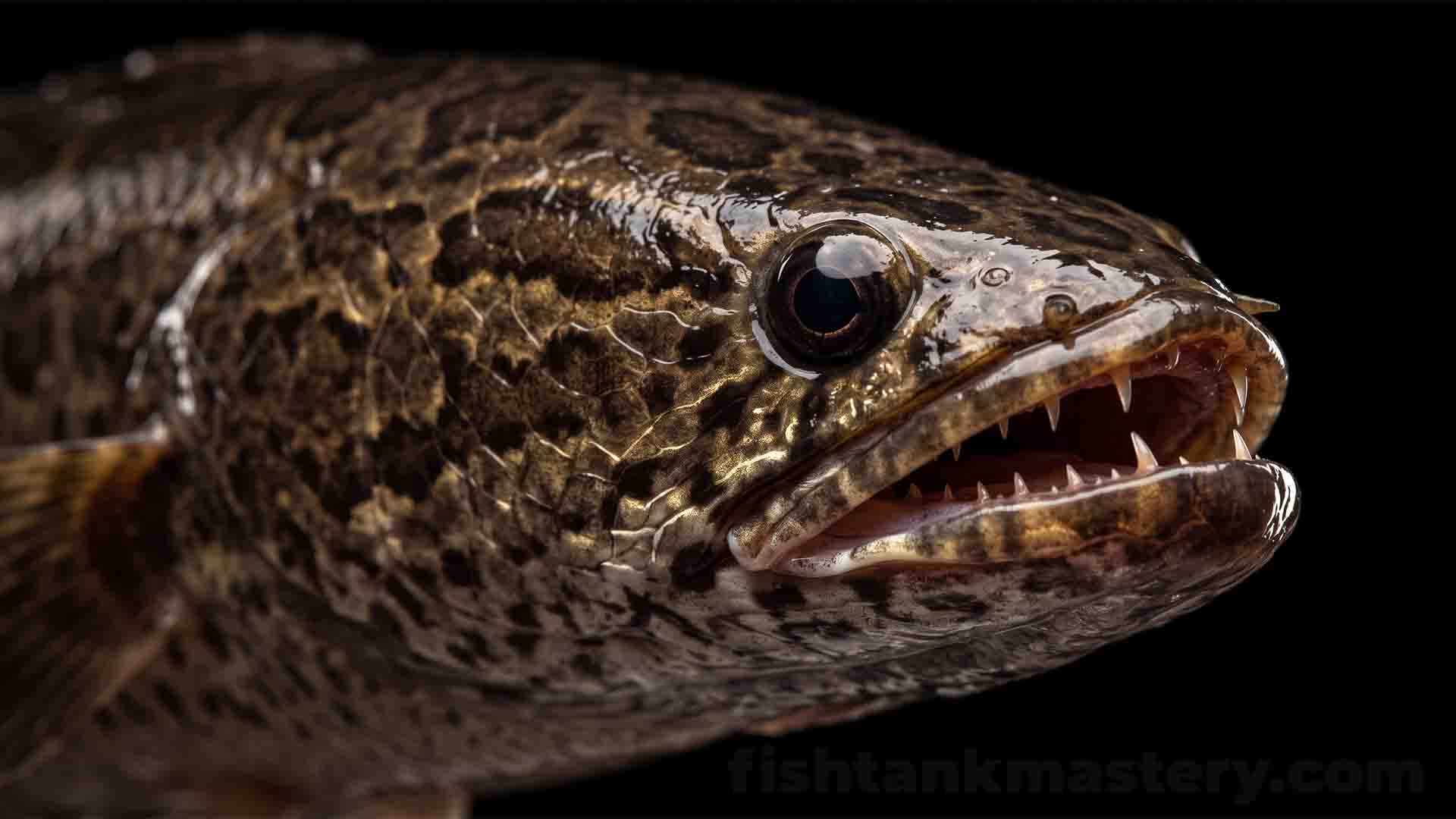
1. Northern Snakehead (Channa argus)
The Northern Snakehead represents the ultimate nightmare for North American freshwater fisheries management. Native to the river basins of China, Russia, and the Korean Peninsula, Channa argus is a heavily muscled, torpedo-shaped apex predator possessing an extraordinary physiological weapon: a specialized suprabranchial organ.
Respiratory Physiology and Overland Migration
Unlike standard teleost fish that rely strictly on dissolved oxygen extracted through gill lamellae, the Northern Snakehead is an obligate and facultative air-breather. Its suprabranchial organ consists of paired, highly vascularized respiratory chambers situated above the gills within the epibranchial cavity. These cavities are lined with folded epithelial tissue richly supplied with blood capillaries, allowing the fish to gulp atmospheric air directly from the water surface and diffuse oxygen directly into its bloodstream.
This anatomical adaptation changes the entire ecological equation. In stagnant, oxygen-depleted swamps where native gamefish suffocate from biochemical oxygen demand (BOD) crashes, the snakehead thrives without physiological stress. Even more dangerous is its capacity for terrestrial movement. If a water body dries out or food sources become depleted, Channa argus can close its opercular flaps to retain moisture within its respiratory chambers and crawl across dry land using rhythmic, snake-like lateral undulations of its muscular torso anchored by rigid pectoral fins. In conditions of high ambient humidity, a mature snakehead can survive out of water for up to three to four days, slithering hundreds of yards through wet grass and drainage ditches to infiltrate new ponds, lakes, and river systems.
Predatory Impact and Ecosystem Collapse
The dentition of Channa argus resembles that of a prehistoric reptile. Its jaws are lined with rows of fine, needle-like cardiform teeth flanked by large, razor-sharp canine fangs on the lower jaw and vomer. When striking, it utilizes an explosive vacuum-expansion buccal strike followed by a shearing jaw grip that slices forage fish in half. In waterways such as the Potomac River basin and the Arkansas White River drainage, where established feral populations took root following aquarium and live-food releases, snakeheads have decimated native populations of Largemouth Bass (Micropterus salmoides), Yellow Perch (Perca flavescens), and critical forage minnows.
Compounding this predation is their hyper-aggressive reproductive strategy. Unlike many native fish that scatter their eggs and abandon them, both male and female snakeheads construct extensive circular nests in aquatic vegetation, furiously guarding their floating, lipid-rich eggs and fry against all intruders. A single mature female can spawn multiple times per year, releasing up to 100,000 eggs annually. Furthermore, wild specimens have been documented as vector carriers for epizootic ulcerative syndrome (EUS), an infectious fungal pathogen caused by Aphanomyces invadans that induces deep dermal necrosis in native gamefish.
Federal and State Legal Status
In October 2002, the U.S. Fish and Wildlife Service officially added the entire Channidae family (all 28+ species of snakeheads) to the federal Injurious Wildlife list under Title 18 U.S.C. Section 42. As a consequence:
- It is illegal under federal law to import any live snakehead into the United States or its territories.
- It is a federal crime to transport live snakeheads across any state line, regardless of whether the receiving state permits them.
- Virtually every individual state wildlife agency classifies live snakehead possession as an explicit misdemeanor or felony violation. In states like Virginia, Maryland, and Pennsylvania, keeping a live snakehead in an aquarium can result in fines exceeding 2,500 USD per fish, immediate gear and vehicle seizure, and up to one year in jail. Anglers who catch snakeheads in public waters are legally required to kill them immediately by severing the head or gutting them; keeping one alive in a livewell while driving home is a criminal offense.
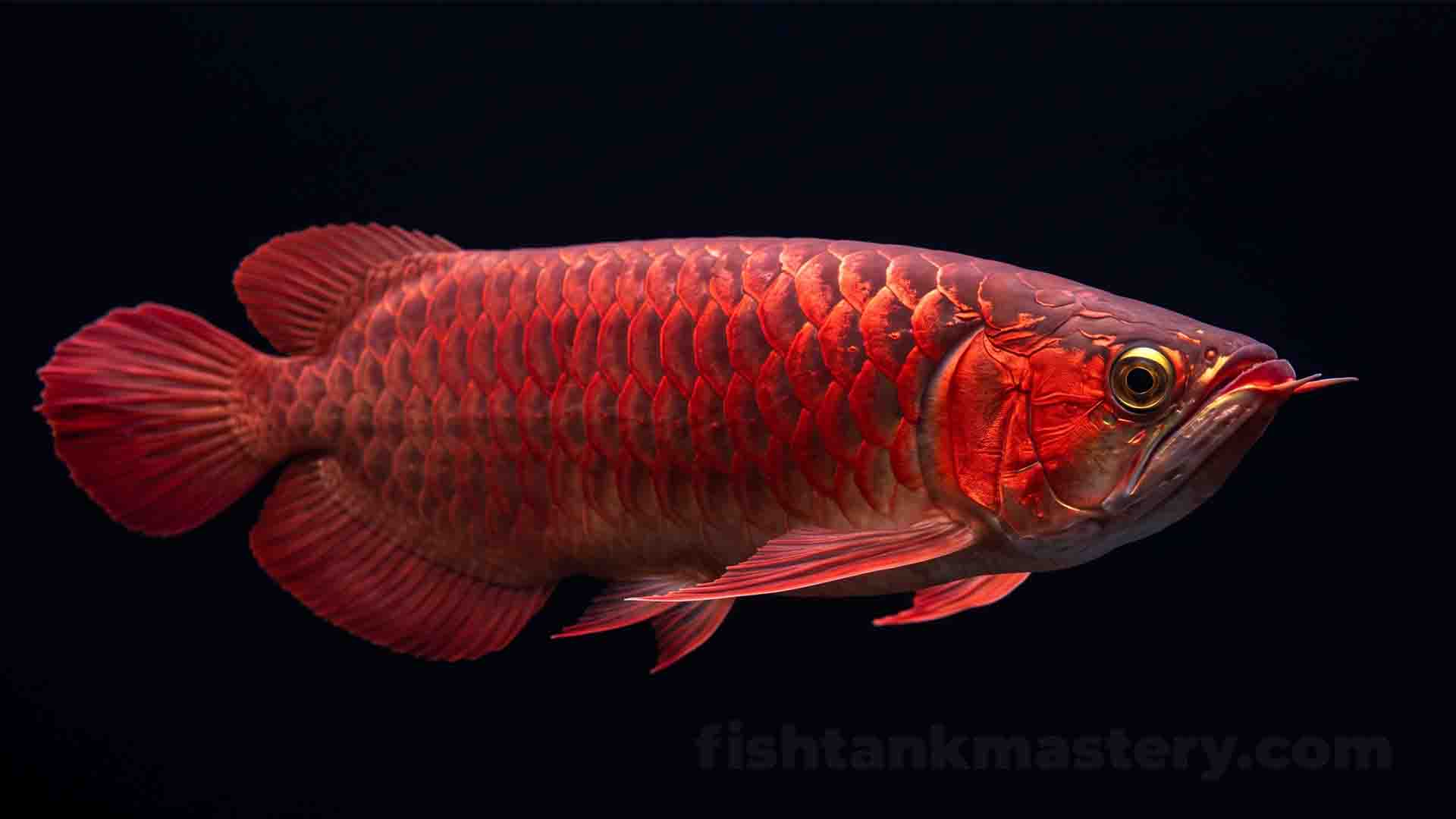
2. Asian Arowana (Scleropages formosus)
Known across the globe as the “Dragon Fish,” the Asian Arowana is revered in Asian cultures as a symbol of immense wealth, prosperity, and good fortune due to its large, reflective, coin-like scales and sinuous, serpentine swimming motion that mimics a mythological Chinese dragon. Yet in the United States, possessing this single ornamental fish is one of the quickest routes to a federal penitentiary.
Taxonomy and Primitive Morphological Traits
Scleropages formosus belongs to the ancient order Osteoglossiformes (bony tongues), an evolutionary lineage dating back over 140 million years to the Jurassic period. Its defining biological characteristic is the presence of teeth on its tongue: the basihyal bone at the base of the mouth is heavily armed with sharp, backward-curving teeth that bite directly against the parasphenoid bone on the roof of the cranium. This primitive crushing mechanism allows the fish to snatch large terrestrial insects, small birds, amphibians, and forage fish from the water surface, shredding them instantly before swallowing.
Asian Arowanas are mouthbrooders that invest heavily in offspring survival. Males carry fertilized eggs—each the size of a marble—inside their buccal cavity for up to eight weeks without feeding, releasing fully formed juveniles only after their yolk sacs are completely absorbed. Because natural populations in the peat swamps and blackwater rivers of Malaysia, Indonesia, Cambodia, and Thailand have suffered catastrophic declines due to habitat destruction, deforestation, and extreme commercial overharvesting for the luxury pet trade, wild populations have crashed toward functional extinction.
The CITES Appendix I vs. ESA Permitting Trap
The legal trap ensnaring American fishkeepers stems from a fundamental misunderstanding of international wildlife conventions. In 1975, the Asian Arowana was placed on CITES Appendix I, the highest tier of international protection reserved for species threatened with total extinction. Commercial trade in wild-caught specimens was permanently banned worldwide.
To satisfy intense commercial demand without wiping out wild river systems, countries like Singapore, Malaysia, and Indonesia developed highly sophisticated commercial aquaculture facilities. Under strict CITES guidelines, farms that breed specimens down to F2 (second generation) and beyond can surgically implant an ISO-compliant passive integrated transponder (PIT) microchip into the dorsal musculature of each juvenile. Each microchip corresponds to an individual CITES Certificate of Origin, verifying the fish was born in captivity.
Here is where American collectors destroy their lives: The United States Endangered Species Act does not automatically recognize the CITES captive-breeding exemption for private pet ownership. The USFWS lists Scleropages formosus as an Endangered Species under 16 U.S.C. 1531 et seq. Under federal statutory interpretations, the ESA strictly prohibits the importation, sale, interstate transport, or possession of listed endangered species for purely commercial or recreational purposes. The federal government does not issue import permits for Asian Arowanas destined for private hobbyist aquariums under any circumstances; permits are reserved exclusively for bona fide scientific research, zoological conservation breeding programs, or species survival plans.
The Felony Reality of the Underground Trade
Because legal importation is impossible, an aggressive underground black market thrives in major metropolitan areas, particularly in Southern California, New York, Texas, and South Florida. Shady transshippers smuggle juveniles across Canadian or Mexican borders inside false-bottom luggage, disguised inside sealed thermos bottles, or hidden inside legitimate commercial shipments of South American Silver Arowanas (Osteoglossum bicirrhosum) with forged bills of lading.
Federal wildlife prosecutors do not treat these cases lightly. In federal operations such as Operation Dragon, USFWS undercover agents infiltrated online classifieds and private reptile/fish conventions, purchasing captive-bred Asian Arowanas for sums ranging from 1,200 USD for juvenile Green Arowanas to upwards of 20,000 USD for elite “Super Red” and “Crossback Golden” variants. Defendants in these cases were charged under Title 16 U.S.C. Section 3372(a)(1) (Lacey Act trafficking of wildlife taken or possessed in violation of federal law) and Title 18 U.S.C. Section 371 (Conspiracy to defraud the United States). Federal court convictions for Asian Arowana smuggling routinely result in 12 to 36 months in federal prison, supervised release periods, total forfeiture of aquatic systems and vehicles used during transport, and devastating civil restitution fines.
3. Red-Bellied Piranha (Pygocentrus nattereri)
Few aquatic creatures have suffered from as much sensationalist Hollywood hysteria as the Red-Bellied Piranha. While pop-culture myths of piranha shoals stripping a cow down to a pristine skeleton within thirty seconds are largely fabricated exaggerations, the biological reality of Pygocentrus nattereri presents a genuine threat to domestic aquatic ecosystems—leading over half of all U.S. states to completely outlaw their private ownership.
Jaw Biomechanics and Feeding Ecology
Native to the Amazon, Paraguay, and Paraná river basins, the Red-Bellied Piranha is an apex scavenger-predator belonging to the family Serrasalmidae. Its destructive capacity lies in the extraordinary mechanical efficiency of its feeding apparatus. Pygocentrus nattereri possesses a heavily ossified, prognathous lower jaw operated by massive, highly evolved adductor mandibulae muscles. Embedded along both the maxilla and dentary bones are singular rows of tightly intermeshed, tricuspid, razor-sharp serrated teeth composed of dense calcium phosphate enamel.
Biomechanical studies published in peer-reviewed functional morphology literature demonstrate that piranhas generate bite forces relative to their body weight that rival those of prehistoric tyrannosaurs. When a piranha strikes, the opposing triangular teeth mesh with absolute microscopic precision, acting as hydraulic shears. Instead of tearing flesh like a shark, it punches a clean, circular plug of muscle, skin, and bone directly out of its prey. While individual fish are naturally skittish and timid in well-planted environments, schooling groups establish complex feeding frenzies when stimulated by mechanical splashing, localized water disturbances, or the chemical cues of dissolved blood proteins.
The State-by-State Legal Mosaic and the “Thermal Barrier”
Unlike snakeheads and Asian arowanas, the Red-Bellied Piranha is not banned at the federal level under the Lacey Act. In colder, landlocked states such as Ohio, Pennsylvania, Michigan, and New York, you can lawfully walk into a retail aquatic shop, purchase a dozen juvenile piranhas, and keep them in your home aquarium without registering with state wildlife officials. Why? Because the northern winter serves as a natural, impassable thermal barrier. If an irresponsible aquarist dumps a tank of tropical piranhas into Lake Erie in November, the water temperature will plummet below their critical thermal minimum of 10°C to 12°C (50°F to 54°F), inducing immediate osmoregulatory shock, metabolic shutdown, and death.
However, across 25+ states located in the American South, Southwest, and Pacific coast, the legal landscape shifts entirely. States including Florida, Texas, California, Louisiana, Georgia, Alabama, Mississippi, Arizona, and Hawaii maintain strict, non-negotiable statutory bans on the importation, possession, sale, and breeding of all species within the genera Pygocentrus, Serrasalmus, and Pristobrycon.
The ecological vulnerability in these southern jurisdictions is critical: regions like the Florida Everglades, the Louisiana bayous, and the sprawling drainage canals of Southern California feature subtropical or tropical temperature profiles where winter water temperatures rarely drop below 15°C (59°F). If a breeding colony of piranhas establishes in these shallow, slow-moving, macrophyte-choked waterways, they face zero physiological barriers to reproduction. They would decimate local sunfish and bass fisheries, terrorize public swimming reservoirs, outcompete native panfish, and permanently mutilate commercial aquaculture facilities.
Penalties for Illegal Possession in Banned States
In states like California (under California Fish and Game Code Section 2118) and Florida (under F.A.C. Rule 68-5), possessing a live piranha without an institutional zoological permit is treated as a Class 1 or Class 2 environmental misdemeanor, frequently escalating to felony conspiracy charges if commercial sales or multi-state breeding networks are uncovered. Penalties include:
- Mandatory chemical euthanasia and destruction of all confiscated specimens.
- State wildlife fines reaching up to 5,000 USD per specimen.
- Jail sentences of up to 6 months per violation count.
- Strict legal liability for all ecosystem eradication costs if a feral population is traced directly back to an individual’s private release.
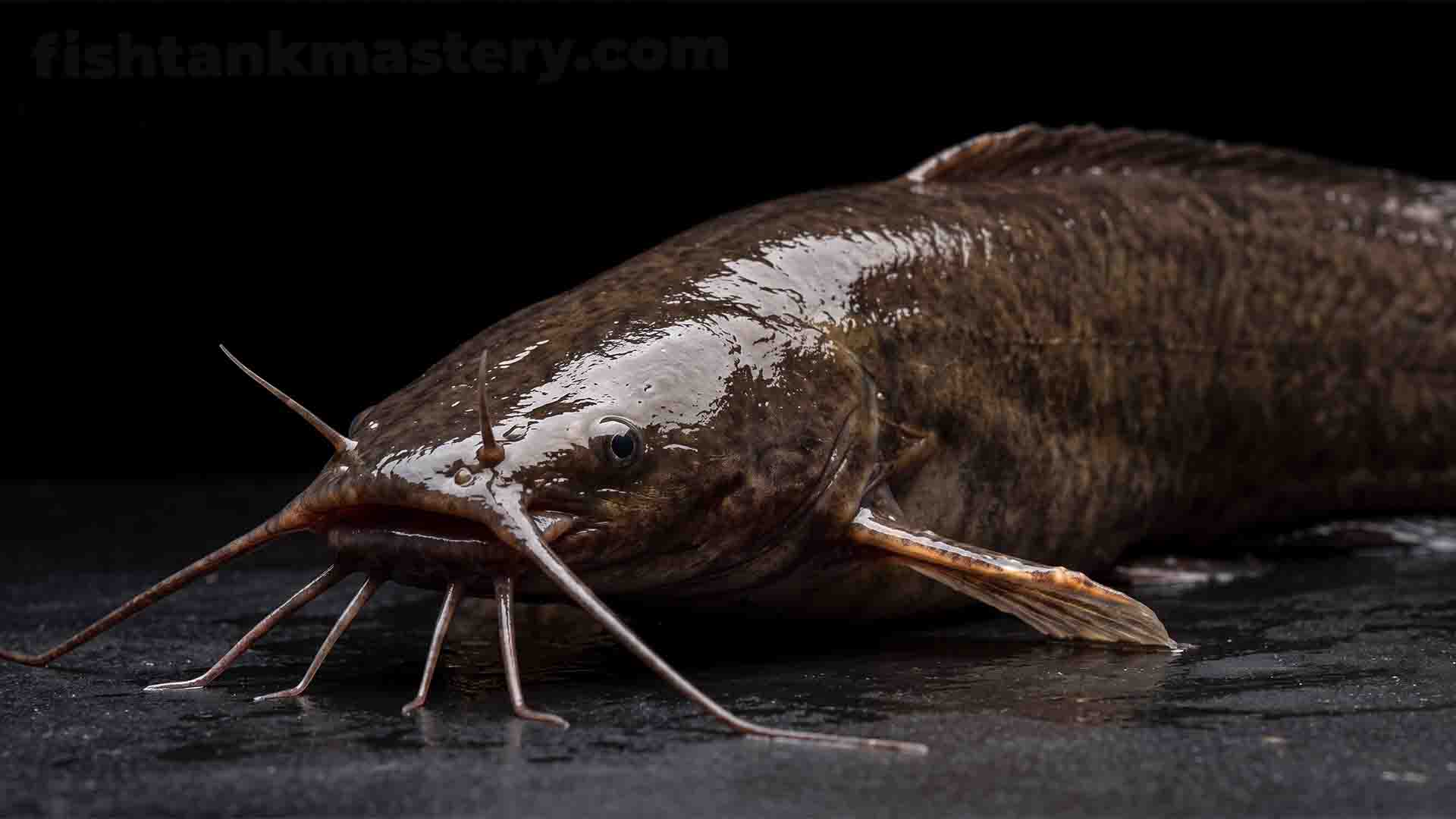
4. Walking Catfish (Clarias batrachus)
The Walking Catfish looks like an unassuming, slick, scaleless bottom-feeder with elongated dorsal and anal fins, eight sensory barbels flaring from its snout, and a heavy, flattened skull. But behind this standard siluriform appearance lies an invasive biological tank that literally walked out of aquaculture holding ponds in the 1960s and colonized thousands of square miles of North American wetlands.
The Arborescent Organ: Tree-Like Breathing Physiology
The evolutionary survival engine of Clarias batrachus is its arborescent organ (also known as the dendritic respiratory organ). Situated within an extensive diverticulum branching off the epibranchial space of the second and fourth gill arches, this structure resembles an intricate, calcified, tree-like forest of branched tissue covered by a highly vascularized respiratory mucosa.
When environmental conditions turn hostile—such as seasonal droughts that evaporate shallow swamps into stagnant mud pits, or severe heat waves that strip water of dissolved oxygen—the Walking Catfish abandons normal gill function entirely. It rises to the surface, gulps air into its branchial chambers, and circulates that oxygen directly through the arborescent trees. Because the rigid arborescent branches do not collapse upon themselves when removed from the buoyancy of water (unlike soft, delicate gill filaments that mat together and suffocate), the fish can process atmospheric oxygen on completely dry land indefinitely, provided its outer epidermal mucus layer remains damp.
Amphibious Locomotion Mechanics
What terrifies wildlife managers is the locomotion system that gives the fish its common name. Clarias batrachus does not simply flop around helplessly out of water. Its anatomy features exceptionally thick, rigid, serrated pectoral spines linked to massive cleithrum bone structures in the pectoral girdle. When initiating overland travel, the catfish raises its anterior body, plants one pectoral spine firmly into the soil or pavement like a crutch, and violently flexes its muscular caudal peduncle laterally.
By alternating this spine-anchored pivoting motion with powerful tail thrusts, the fish walks across dry terrain at a brisk, sustained pace. During the torrential tropical thunderstorms of the Florida rainy season, when streets and drainage culverts flood with sheet-flow runoff, millions of Walking Catfish simultaneously emerge from roadside ditches, marching across golf courses, four-lane highways, and airport runways to infiltrate pristine, isolated retention ponds and native aquaculture facilities.
The Florida Invasion and Commercial Aquaculture Devastation
The introduction of Clarias batrachus into the United States is one of the most documented ecological blunders in exotic pet history. Between 1967 and 1968, specimens imported from Southeast Asia escaped from commercial exotic fish breeding farms located near Boca Raton and Delray Beach, Florida. Within a single decade, these amphibious invaders exploited the interconnected agricultural canal network of South Florida, sweeping through Palm Beach, Broward, and Miami-Dade counties before conquering the entire perimeter of Lake Okeechobee and establishing reproducing populations across the Everglades.
Their ecological damage was catastrophic. As hyper-aggressive omnivorous benthic feeders, they vacuumed up native macroinvertebrates, amphibian eggs, small reptiles, and juvenile native fish. Worse, they systematically marched into commercial ornamental tropical fish farms. A commercial fish farm in South Florida consists of hundreds of open, excavated outdoor earthen ponds packed with high-value cichlids, tetras, and fancy livebearers. Walking Catfish marched out of adjacent drainage canals directly into these ponds, wiping out tens of thousands of dollars worth of commercial fish stocks overnight through voracious predation and introducing severe protozoan parasites like Ichthyophthirius multifiliis and bacterial septicemia pathogens.
Federal Injurious Status and Prohibition
To arrest the interstate expansion of this species into other warm, vulnerable drainage basins (such as the Mississippi Delta, Louisiana bayous, and the Rio Grande valley), the federal government placed the Walking Catfish and the entire genus Clarias onto the Lacey Act Injurious Wildlife list under 18 U.S.C. Section 42.
Under current federal law, it is strictly prohibited to import live Clarias batrachus into any state, district, or territory of the United States, or to ship them across state lines. In Florida, under FWC Administrative Code 68-5, possession of live Walking Catfish is restricted exclusively to certified commercial game research facilities under heavy security containment protocols. Keeping a live Walking Catfish in a home display or private collection is an explicit state wildlife violation that triggers severe financial citations, immediate chemical confiscation, and personal prosecution under state invasive wildlife control acts.
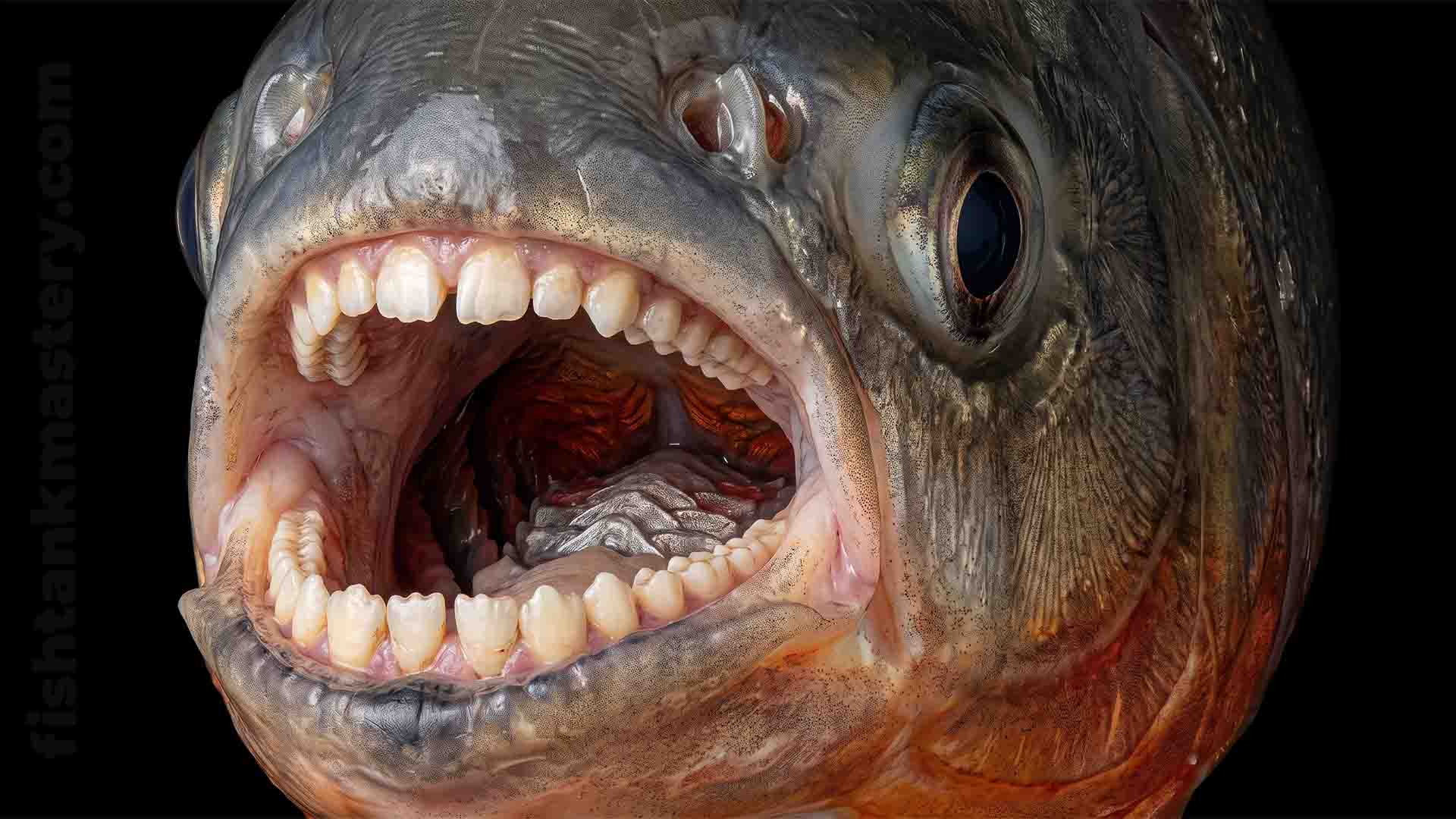
5. Red-Bellied Pacu (Piaractus brachypomus)
The Red-Bellied Pacu represents the most pervasive “bait-and-switch” tragedy in commercial fish retail. Displayed in big-box pet stores as an adorable two-inch silver coin with a vivid crimson chest, juveniles bear an almost identical morphological resemblance to juvenile Red-Bellied Piranhas. Clerks frequently sell them to unsuspecting community tank owners under the deceptive marketing tag of “Vegetarian Piranha.” What retail outlets systematically fail to disclose is that this species is not an innocent community grazer; it is an aquatic herbivorous bulldozer capable of exceeding 30 inches (75 cm) in total length and weighing more than 40 pounds (18 kg) in captive conditions.
Molariform Dentition Biomechanics
While true piranhas possess tricuspid, razor-sharp shearing blades designed to excise flesh, the dentition of Piaractus brachypomus is shockingly anthropogenic. Embedded within heavily reinforced premaxillary and dentary bones are two distinct rows of flattened, squared, multicuspid molariform teeth that bear an uncanny resemblance to human molars. In their native Amazonian and Orinoco floodplains, this dentition functions as a high-pressure mechanical nutcracker. During seasonal inundations, pacus forage beneath the flooded forest canopy, consuming hard-shelled rubber tree seeds, palm nuts, and woody legumes that require hundreds of pounds of localized crushing force to fracture.
Inside a home aquarium, that same crushing biomechanics transforms the pacu into a destructive liability. As the fish matures past 12 inches, its jaw power can effortlessly shear through commercial submerged glass heaters, shatter heavy-duty plastic intake strainers, and sever thick aquarium power cords like celery stalks. During routine feeding frenzy responses, a pacu does not nibble; it violently vacuums large hard pellets or fruit, expelling fine particulate debris through its opercular cavities and completely obliterating mechanical water clarity.
The Bioload Black Hole and Filter Collapse
The core biological failure point of the pacu is its metabolic waste throughput. Unlike carnivorous predators that process nutrient-dense protein with relatively compact digestive waste, Piaractus brachypomus is an omnivorous grazer with an exceptionally long, convoluted intestinal tract designed to extract energy from high-fiber vegetation. Consequently, it produces massive volumes of dense, fibrous fecal ropes that disintegrate into microscopic organic sludge. In closed systems, this unrelenting waste volume exhausts the surface area kinetics of domestic autotrophic nitrifying biofilms within months, generating chronic un-ionized ammonia spikes and driving nitrates beyond 100 parts per million despite massive weekly water changes.
The Release Crisis and Massive Environmental Penalties
Because private hobbyists inevitably hit a physical wall when their pacu outgrows standard 75-gallon or 125-gallon setups, Piaractus brachypomus is the most frequently abandoned exotic megafauna in North America. Panicked keepers routinely transport their massive, tank-busting pacus to local public retention ponds, urban lakes, and golf course water hazards under the mistaken assumption that they are “setting the fish free.”
The legal consequences of dumping a pacu are catastrophic. Under state environmental protection statutes across Texas (Texas Parks and Wildlife Code Section 66.007), California (Fish and Game Code Section 2118), and Florida (F.S. 379.28), introducing any non-native fish into public waters is classified as a severe environmental crime. Penalties include immediate criminal misdemeanor citations, state wildlife civil restitution charges exceeding 5,000 USD to 15,000 USD per violation, and full financial liability for the toxicological eradication operations required to purge the invaded waterway.
6. Freshwater Stingrays (Potamotrygon motoro & Potamotrygon spp.)
Gliding across the substrate with the silent, hypnotic grace of an aquatic hovercraft, South American Freshwater Stingrays belonging to the family Potamotrygonidae represent the absolute pinnacle of luxury oddball keeping. Yet behind their striking spotted disc patterns lies a dual threat that terrifies state fisheries departments and emergency room physicians alike: a biologically active, proteinaceous venom apparatus combined with a high likelihood of feral colonization across warm American waterways.
Venom Apparatus Morphology and Clinical Trauma
Unlike marine stingrays that primarily utilize their caudal barbs as a passive deterrent, freshwater stingrays possess one to three surgically sharp, retro-serrated spines situated along the dorsal surface of their muscular caudal tail. These spines are formed of dense, modified vasodentine covered by an external integumentary sheath composed of specialized venom-secreting glandular cells.
When a keeper accidentally traps a stingray against the glass or steps near its buried perimeter during maintenance, the fish executes a reflex strike, driving the spine into the tissue with immense mechanical velocity. As the spine penetrates, the retro-serrated lateral barbs act as bidirectional hooks, shredding deep muscular fascia and lacerating major blood vessels upon withdrawal. Simultaneously, the glandular sheath ruptures, releasing a complex cocktail of high-molecular-weight enzymes, including hyaluronidases, metalloproteinases, and phosphodiesterases. This venom induces instantaneous, excruciating ischemic pain, profound localized vasospasms, and rapid coagulative tissue necrosis. Puncture wounds frequently require extensive surgical debridement to extract broken barb fragments, prolonged intravenous antibiotic protocols to prevent secondary infections from waterborne Aeromonas species, and months of reconstructive physical therapy.
High-Ammonia Osmoregulation and System Fragility
Maintaining a Potamotrygon species in home aquaria is an unforgiving biochemical trial. Because they evolved in the pristine, ion-poor blackwaters of the Amazon basin, potamotrygonids have lost the ability to synthesize and retain high concentrations of blood urea for osmoregulation (unlike their marine elasmobranch ancestors). They function as true stenohaline freshwater organisms with an exceptionally high rate of urea and branchial ammonia excretion.
Their basal metabolic demand is extreme: they require constant high-oxygen saturation (minimum 6 to 7 mg/L of dissolved oxygen) and zero detectable un-ionized ammonia or nitrite. A minor biological hiccup that a common cichlid would effortlessly shrug off will induce irreversible branchial burns, disc curling, anorexia, and systemic organ failure in a captive stingray within 48 hours.
State-Level Legal Prohibitions and Lacey Act Felony Bridges
Because freshwater stingrays thrive in shallow, sandy, slow-moving river systems, wildlife agencies across southern states recognize them as a massive threat to public safety and commercial recreation. If an established feral breeding population took hold in the shallow swimming margins of Lake Havasu, the Florida Everglades, or Texas reservoirs, public beaches would become immediate medical disaster zones.
Consequently, possessing any live member of the family Potamotrygonidae is completely illegal without specialized zoological display permits in California, Florida, Texas, Georgia, Arizona, Oklahoma, Mississippi, and Utah. If an individual purchases a Motoro Stingray in an unrestricted state and drives it across the state border into California or Texas, the act immediately triggers the interstate commerce provisions of the Federal Lacey Act (16 U.S.C. Section 3372). Because adult stingrays routinely command retail prices of 500 USD to 2,500 USD, the interstate transport immediately blows past the statutory 350 USD market value felony threshold, transforming a state permit violation into a federal wildlife felony indictment punishable by up to five years in federal prison and asset forfeiture of all vehicles and aquariums involved.
7. Electric Catfish (Malapterurus electricus)
Looking like an unassuming, sausage-shaped river bottom dweller with no dorsal fin, soft fleshy lips, and small, cryptic eyes, the African Electric Catfish is the ultimate living taser. Native to the Nile basin and tropical sub-Saharan freshwater drainages, Malapterurus electricus possesses a bio-electrical generation system capable of incapacitating full-grown humans and completely electrocuting all tankmates inside a closed glass box.
Electrogenic Organ Architecture and Voltage Generation
The physiological engine of the Electric Catfish is its continuous electrogenic organ, an anatomical marvel derived entirely from modified somatic muscle tissue. This organ forms a thick, gelatinous subcutaneous mantle enveloping almost the entire body trunk from the gill covers down to the caudal peduncle. Internally, the structure is organized into thousands of specialized, disc-like bio-electrocytes arranged in parallel and series columns, innervated directly by a single, colossal bilateral pair of motor nerve cells originating in the spinal cord.
When discharging defensively or stalking prey in murky water, the electrocytes coordinate instantaneous cellular depolarization via acetylcholine receptors, utilizing the rapid transport of sodium and potassium ions across the membranes. An adult Malapterurus electricus measuring 20 to 24 inches can unleash sustained electrical bursts measuring between 350 and 400 volts at over 1 ampere of current. While the duration of each discharge pulse is measured in milliseconds, the catfish can fire hundreds of repetitive bursts in rapid succession when agitated.
Aquarium Hazards and Severe Cardiac Risks
Housing this animal inside a home environment presents an extreme physical hazard that many aquarists foolishly underestimate. If a keeper reaches into the water column during routine gravel vacuuming or attempts to net the fish without heavy, certified dielectric rubber gloves, a direct shock delivers an involuntary muscular contraction strong enough to dislocate shoulder joints, trigger secondary blunt trauma from smashing elbows into the aquarium frame, or induce fatal cardiac arrhythmias in individuals with underlying cardiovascular conditions or electrical pacemakers.
Furthermore, keeping an Electric Catfish with any other living organism is biologically impossible. Unlike gymnotiform electric eels that utilize weak electrical fields for navigation alongside strong discharges for hunting, Malapterurus electricus is intensely territorial. Any movement from another fish inside the tank triggers defensive high-voltage shocks that systematically stun, paralyze, and kill tankmates overnight.
State Dangerous Wildlife Regulations
Due to the direct threat to human safety and public municipal infrastructure, several states classify the Electric Catfish under strict Dangerous Exotic Animal and Injurious Aquatic Species regulatory codes. States such as California (CCR Title 14 Section 671), Nevada, and Florida enforce strict permit-only restrictions. Possessing an unpermitted specimen exposes the hobbyist to criminal citations, mandatory wildlife impoundment fees, and civil negligence lawsuits if a household guest or child suffers an accidental discharge injury.
8. Asian Swamp Eel (Monopterus albus)
The Asian Swamp Eel is not a true eel; it is an evolutionary masterpiece of teleost survivability belonging to the order Synbranchiformes. Visually indistinguishable from a brown, slimy mud worm, Monopterus albus is an environmental terraformer that possesses three terrifying biological traits: obligate air-breathing, amphibious burrowing behavior, and the ability to alter its biological sex at will.
Protogynous Hermaphroditism: The Population Multiplication Engine
The reproductive strategy of the Asian Swamp Eel completely short-circuits traditional population management. Monopterus albus is an obligate protogynous hermaphrodite. Every single juvenile eel matures into an egg-laying functional female. However, as an individual grows and exceeds approximately 14 to 18 inches in total length, its reproductive tissue undergoes complete cellular reorganogenesis. The ovarian tissue undergoes total follicular apoptosis and transforms into functional testicular tissue, converting the animal into a dominant, sperm-producing male.
This biological mechanism means that introducing even a few juvenile female eels into a drainage pond or reservoir guarantees total colonization. As the females grow, the largest individuals automatically transition into males, creating a self-sustaining, hyper-prolific breeding colony with zero external genetic input required. Both sexes participate in nest construction, producing floating, protective bubble nests in shoreline vegetation where males fiercely guard the brood.
Respiratory Adaptations and Subterranean Estivation
The gills of Monopterus albus are so heavily degenerated and vestigial that the fish will actively drown if held underwater without access to atmospheric air. Its primary gas exchange occurs through the buccopharyngeal cavity—a specialized mucosal lining inside the mouth and throat packed with rich capillary networks. This adaptation allows the swamp eel to breathe air continuously while gliding through thick mud, stagnant ditches, and anoxic agricultural runoff.
When dry seasons strike and waterways evaporate entirely, the Asian Swamp Eel does not perish. It burrows deep into the subterranean muddy sediment, often digging several feet down until it contacts moisture. Once settled, it secretes an extensive protective mucus cocoon over its body, drops its metabolic rate to near-zero, and enters a state of dormant estivation that can last for upwards of six to seven months. When the rains finally return, the eel awakens, emerges from the solid soil, and resumes predatory foraging.
Agricultural Terraforming and Federal Lacey Act Listing
The ecological damage wrought by feral Asian Swamp Eel populations across Florida (the Everglades and Tampa Bay watershed) and Georgia (Chattahoochee River basin) is profound. By excavating sprawling subterranean tunnel networks through earthen levees, retention dams, and agricultural canal banks, swamp eels physically destabilize commercial flood-control structures, causing catastrophic shoreline collapses and levee erosion.
Simultaneously, their voracious, indiscriminate diet wipes out native benthic macroinvertebrates, crayfish, larval amphibians, and the forage base of native gamefish. Because of their catastrophic invasive trajectory, the Asian Swamp Eel is designated as an Injurious Species under Federal Lacey Act provisions and strictly outlawed across all vulnerable aquatic biomes in North America. Transporting live specimens across state lines or possessing them without high-security research permits is prosecuted under Class 1 state environmental codes and federal wildlife transport indictments.
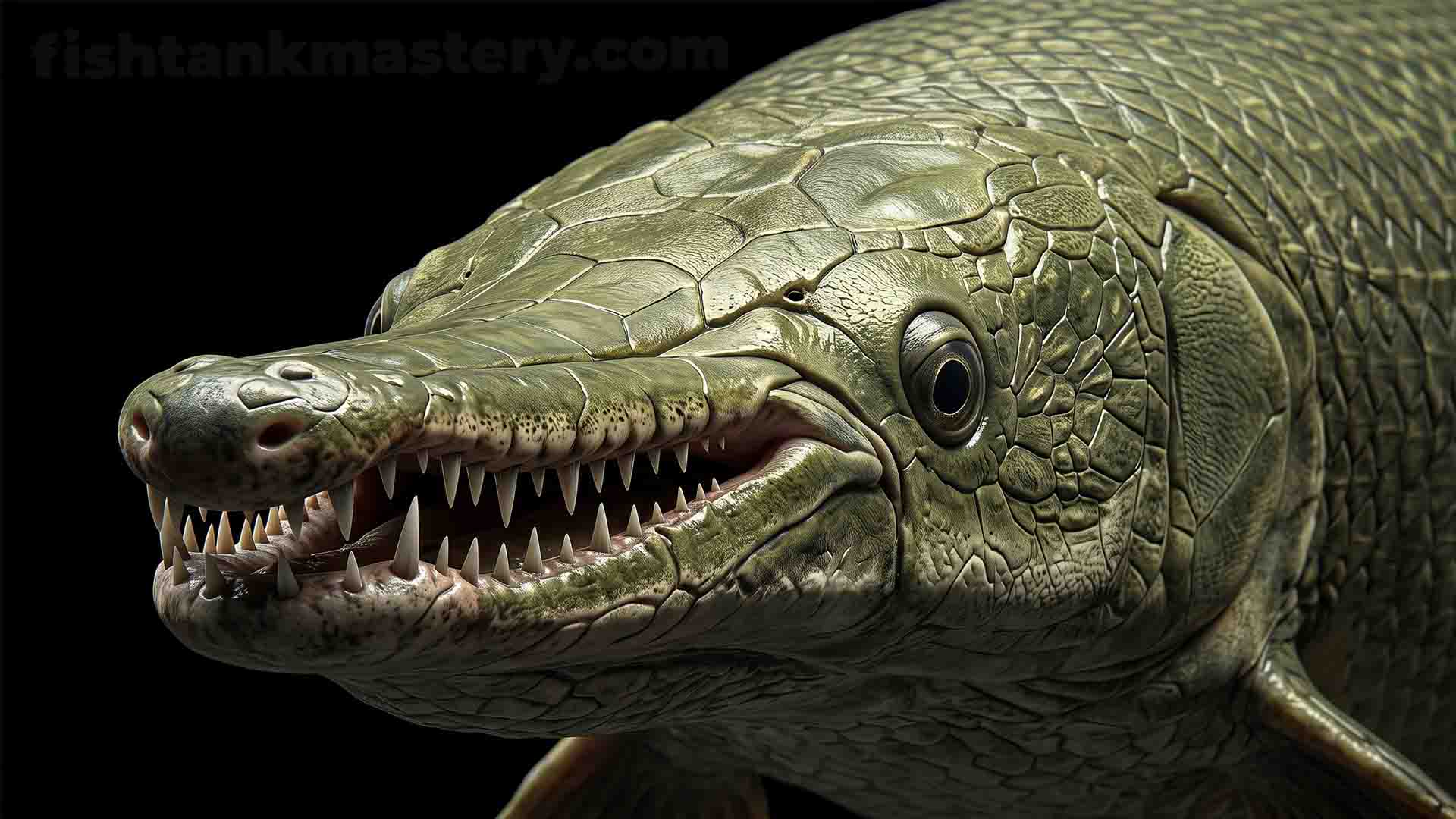
9. Alligator Gar (Atractosteus spatula)
Revered as a living relic of the Cretaceous period, the Alligator Gar is the largest exclusively freshwater fish native to North America, historically reaching lengths of 8 to 10 feet (3 meters) and weights exceeding 300 pounds (136 kg). With its broad, duck-billed snout and prehistoric silhouette, small three-inch juveniles frequently show up in the exotic fish trade. Hobbyists convince themselves that keeping one in a 180-gallon tank is a sustainable proposition. That delusion invariably ends in flooded living rooms, destroyed biological filters, and broken glass.
Ganoid Armor and Jaw Strike Mechanics
The anatomical architecture of Atractosteus spatula is completely uncompromising. Unlike modern teleosts protected by thin, flexible cycloid or ctenoid scales, the Alligator Gar is enveloped in an articulated coat of heavy, diamond-shaped ganoid scales. These scales consist of a solid, bone-like vascular isopedine base topped by a dense, enamel-like crystalline layer called ganoine. They interlock with a ball-and-socket hinge system, providing an impenetrable biological chainmail that deflects predators and resists steel knives.
Its jaws are engineered for absolute lethal trauma. The Alligator Gar is the only member of the gar family that features a dual row of large, sharp conical teeth along the upper jaw (palatine bones). Biomechanical research indicates that a sub-adult gar strikes with an explosive, sideways lateral sweeping motion powered by dense epaxial musculature, generating localized bite forces exceeding 300 Newtons. When an Alligator Gar strikes a passing tankmate, it does not just puncture; it crushes skeletal bones instantly.
The Glass-Shattering Physics of Tank Panics
The fatal flaw of housing an Alligator Gar in a glass aquarium comes down to hydrodynamic momentum. Gars possess a highly vascularized, cellular physostomous swim bladder connected to the esophagus, functioning as an auxiliary lung. They regularly cruise the water surface to gulp atmospheric air, particularly in warm water. When startled by sudden changes in room lighting, ambient vibration, or someone walking past the glass, the gar’s primal flight reflex engages.
The fish releases a colossal burst of lateral kinetic thrust. Unlike slender, flexible fish that can curve or bank in tight radii, the rigid ganoid armor of Atractosteus spatula renders its spine exceptionally stiff. An adolescent gar measuring 24 inches and weighing 15 pounds cannot stop its forward momentum. It strikes the front glass panel with the kinetic impact equivalent of a thrown cinder block. Across the monster fish community, hundreds of documented incidents detail Alligator Gars completely shattering half-inch tempered aquarium glass panels, cracking structural bottom seams, and sending hundreds of gallons of water across domestic floors in a fraction of a second.
Legal Status: Native Gamefish vs. Commercial Blacklist
The legal status of the Alligator Gar is complex and actively enforced. While native to the Mississippi River basin and Gulf Coast drainages, private ownership is subject to extreme statutory restrictions. In states outside its native range—such as California, Florida, and across the Pacific Northwest—importing, possessing, or trading live Alligator Gars is strictly prohibited under invasive species protocols. In its native southern states, state wildlife agencies (such as TPWD in Texas) regulate the species as a strictly protected, trophy native gamefish. Capturing wild juveniles without specialized commercial harvesting permits and attempting to sell them into the aquarium trade is a state wildlife violation that triggers severe poaching fines, license revocations, and specimen confiscation.
10. Candiru (Vandellia cirrhosa)
No fish in the Amazonian basin commands as much morbid terror, myth, and urban legend as the Candiru (also known as the toothpick fish or vampire catfish). While sensationalist travel folklore claiming that the fish routinely leaps out of river rapids to parasitize humans during urination has been largely deconstructed by modern ichthyology, the confirmed biological feeding apparatus of Vandellia cirrhosa is horrifying in its own scientific right—prompting the federal government to permanently ban its entry into the United States.
Hematophagous Parasitism and Sensory Tracking
Vandellia cirrhosa belongs to the family Trichomycteridae, a specialized clade of pencil-thin, translucent parasitic catfishes. The Candiru is an obligate hematophage—meaning it feeds exclusively on the fresh blood of larger freshwater vertebrate hosts. It possesses no functional scales, maintaining a completely slick, hydrodynamic eel-like morphology measuring barely two to three inches long.
Its hunting strategy relies on sophisticated sensory biology. Utilizing chemical receptor pits along its snout and sensitive cephalic barbels, the Candiru tracks the dissolved chemical plumes of urea and ammonia excreted naturally through the gill lamellae of large river teleosts like catfish and characins. Once the plume is acquired, the Candiru executes a high-speed sprint into the opercular cavity of the victim. Once inside the gill chamber, it deploys a series of backward-pointing, needle-sharp opercular and interopercular spines (odontodes) that lock rigidly into the host’s delicate gill tissues like biological wall anchors.
Once secured, it utilizes its specialized, sharp premaxillary dentition to gnaw directly into the primary branchial arteries, gorging itself on high-pressure arterial blood. The entire feeding event takes less than 90 seconds. Once engorged to several times its body thickness, the fish unlocks its opercular spines and drops out into the river sand to digest, leaving the host fish with severe, open, hemorrhaging branchial wounds that routinely cause lethal exsanguination or secondary bacterial infections.
Federal Lacey Act Injurious Classification
The Candiru is one of the few ornamental freshwater species to be singled out explicitly by name on the Federal Lacey Act Injurious Wildlife list under Title 18 U.S.C. Section 42. As a designated injurious species:
- It is an absolute federal crime to import live Vandellia cirrhosa into any port of entry in the United States.
- It is illegal under federal law to transport, ship, or mail them between any states or territories.
- No recreational hobbyist permits exist. Possession of a live Candiru in the United States triggers mandatory federal specimen seizure by USFWS agents, personal interrogation regarding international supply chains, and statutory misdemeanor or felony charges under the Lacey Act regardless of whether the specimen was kept in complete domestic isolation.
Comprehensive Legal & Biological Threat Matrix: 10 Banned Species
To navigate the labyrinth of federal and state wildlife codes, aquarists must understand the precise mechanism of prohibition and the direct penalties associated with each of the ten high-profile species. The matrix below contrasts the physiological threat mechanism, the legal classification, and the real-world criminal penalties enforced across the United States.
| Species (Scientific Name) | Regulatory Status | Biological Invasion Weapon | Ecological Collapse Trigger | Statutory Legal Penalty |
|---|---|---|---|---|
| Northern Snakehead (Channa argus) | Federal Lacey Act Injurious Species (Title 18 U.S.C. 42) | Vascularized Suprabranchial Organ (Overland locomotion) | Decimates native bass and perch fisheries; vectors fungal pathogen EUS | Federal misdemeanor/felony; state fines up to 5,000 USD and 1 year imprisonment |
| Asian Arowana (Scleropages formosus) | Federal Endangered Species Act (16 U.S.C. 1531) / CITES App. I | Primitive toothed tongue (Osteoglossiform jaw bite) | Severe commercial black-market trafficking driving wild populations to extinction | Class D Federal Felony; up to 5 years federal prison and 250,000 USD personal fine |
| Red-Bellied Piranha (Pygocentrus nattereri) | Prohibited across 25+ states (State Wildlife Statutes) | Interlocking tricuspid razor teeth; extreme bite force | Feral colonization in southern subtropical warm-water waterways | State environmental misdemeanor/felony; specimen destruction and 5,000 USD fine |
| Walking Catfish (Clarias batrachus) | Federal Lacey Act Injurious Species (Title 18 U.S.C. 42) | Arborescent breathing organ; rigid walking pectoral spines | Invasion of commercial aquaculture ponds; decimation of Everglades benthic fauna | Federal interstate violation charges; confiscation and chemical disposal fees |
| Red-Bellied Pacu (Piaractus brachypomus) | Banned from environmental release (State Wildlife Codes) | Molariform human-like teeth; massive allometric bioload scaling | Uprooting native aquatic vegetation; water quality degradation in retention lakes | Civil wildlife restitution; 1,000 USD to 10,000 USD release fines |
| Freshwater Stingray (Potamotrygon spp.) | Banned in CA, FL, TX, GA, AZ, OK, MS, UT (Lacey Act Felony Bridge) | Serrated caudal spine with necrotic proteinaceous venom | Public beach safety hazard; disruption of native benthic ecosystems | Interstate transport escalates to Federal Lacey Felony (350 USD value rule) |
| Electric Catfish (Malapterurus electricus) | Classified as Dangerous Exotic Wildlife in multiple states | Myogenic electrogenic organ (350-400 volt electric discharge) | Direct cardiac and trauma risk to owners; extermination of community fish | State wild animal code violations; mandatory seizure and impound fees |
| Asian Swamp Eel (Monopterus albus) | Federal Lacey Act Injurious Species (Title 18 U.S.C. 42) | Protogynous hermaphroditism; subterranean mucus estivation | Destabilization of earthen levees, canals, and flood control structures | Federal and state prohibited species prosecution; mandatory eradication orders |
| Alligator Gar (Atractosteus spatula) | Strictly regulated gamefish; banned from trade in non-native states | Ganoid scale armor; dual rows of upper teeth; 300N bite force | Aquarium glass destruction; unlawful commercial exploitation of native stocks | Poaching charges; commercial trafficking citations; asset forfeiture |
| Candiru (Vandellia cirrhosa) | Federal Lacey Act Injurious Species (Title 18 U.S.C. 42) | Hematophagous parasitic lifestyle; barbed anchoring odontodes | Lethal arterial feeding on native gamefish; unmanageable parasitic vector | Immediate federal contraband seizure; statutory criminal fines |
Delay-Failure Physics: The “Cube-Law Bioload Momentum” That Forces Illegal Dumping
Why do thousands of otherwise law-abiding hobbyists end up releasing prohibited river monsters into local retention ponds every single year? The answer does not lie in malicious intent. It lies in a fundamental failure of human intuition when confronting the non-linear physics of biological growth—what we define at FishTank Mastery as the Cube-Law Bioload Momentum.
The Geometric Trap of Metabolic Scaling
When an aquarist walks into a local store and purchases a juvenile Pacu, Snakehead, or Alligator Gar measuring 2 inches in length, their brain calculates future responsibility using linear mathematics: “If this fish doubles in length to 4 inches, I will simply need to do a slightly larger water change or upgrade from a 20-gallon to a 40-gallon tank.”
That assumption is biologically fatal. Living teleost organisms do not grow along a one-dimensional linear axis. They scale three-dimensionally across length, width, and vertical depth. Mass and metabolic volume scale with the cube of total length (Mass proportional to Length cubed, or L^3). Let us examine the harsh biophysical reality:
- A 2-inch juvenile pacu weighs approximately 10 to 15 grams. Its metabolic oxygen demand is tiny, and its daily excretion of un-ionized ammonia is measured in mere milligrams.
- When that fish doubles in length to 4 inches, its mass does not double—it multiplies by eight, reaching approximately 80 to 120 grams.
- When that same fish reaches 10 inches (a milestone a healthy pacu or gar achieves within its first eight to ten months), its length has increased by a factor of 5. However, 5 cubed equals 125. That fish now possesses 125 times its original biological wet mass, weighing upwards of 1,500 grams (3.3 pounds).
The Microbial Doubling Rate Mismatch
As biological mass expands cubically, the rate of un-ionized ammonia excretion from the fish’s gill lamellae and solid organic waste output outpaces the physical surface area of the aquarium’s filtration system. Here is where the closed ecosystem collapses:
Autotrophic nitrifying bacteria—the sessile organisms responsible for converting lethal ammonia into nitrite (such as Nitrosomonas) and nitrite into nitrate (such as Nitrospira)—are slow-growing lithotrophic microbes. Under standard aquatic conditions, they require 18 to 24 hours to double their cellular biomass. Conversely, the heterotrophic bacteria that decompose solid organic feces in the water column reproduce at a blinding rate, doubling every 15 to 20 minutes.
When an adolescent monster fish consumes large portions of pellets or whole fish, it releases a massive surge of dissolved organic carbon and nitrogen into the system. The autotrophic nitrifiers cannot multiply fast enough to absorb the shock. Instead, the water column experiences a massive heterotrophic bacterial bloom, producing a dense milky haze, stripping dissolved oxygen out of the water overnight, and triggering acute sub-clinical ammonia spikes that burn the gills of the fish.
The Psychological Breaking Point and the “Midnight Release”
By month ten, the aquarist is trapped in an exhausting maintenance treadmill. The aquarium water turns cloudy every three days, the filter pads clog with heavy organic waste within 48 hours, and nitrates permanently sit above 80 ppm despite back-breaking 50% water changes executed twice a week. The fish begins exhibiting severe confinement pacing, ramming the glass whenever room lights flicker, and snapping submerged equipment.
The hobbyist attempts to find a legal exit: they call local fish stores, only to be rejected immediately. They contact municipal zoos and public aquariums, only to be informed that institutional biosecurity protocols strictly prohibit accepting private, unquarantined pet donations. Desperate, overwhelmed, and unwilling to euthanize an animal they have bonded with, the owner places the monster fish in a five-gallon bucket in the middle of the night, drives to a nearby drainage canal or public reservoir, and slides the fish into the water.
That single moment of emotional weakness converts an amateur aquarium miscalculation into a federal wildlife crime and an ecological disaster. By failing to understand allometric metabolic scaling before buying the juvenile, the keeper sets off a biological chain reaction that terminates in environmental degradation and severe criminal liability.
What to Avoid: The 4 Behavioral Habit Loops Behind Illegal Fish Acquisitions
Hobbyists rarely face federal wildlife indictments because they set out to become international animal traffickers. They find themselves in legal crosshairs because they fall into four predictable behavioral habit loops fueled by online marketplaces, impulse buys, and predatory sales tactics. To protect yourself and your aquarium, you must permanently eliminate these behaviors:
1. Buying “Rare Predators” on Craigslist, Band, and Private Facebook Groups
The underground trade in banned aquatic species thrives across peer-to-peer classifieds and semi-private messaging apps. Rogue transshippers and backroom breeders regularly list juvenile Asian Arowanas, Northern Snakeheads, or prohibited stingrays under cryptic abbreviations (e.g., “RTG Arowana,” “Channa micropeltes,” or “Freshwater Polka-Dot Ray”).
- Why it feels right: The transaction feels casual, local, and exclusive. The seller often assures you that “state agencies don’t care about a single hobbyist keeping a fish in their basement.”
- What it silently breaks: It exposes you directly to federal sting operations. Plainclothes USFWS Special Agents and state wildlife investigators actively monitor these digital forums. Undercover agents routinely post listings or respond to buyer inquiries to map commercial distribution chains. If you send electronic funds across state lines for a prohibited species, you have generated an indelible digital paper trail proving scienter (intent and knowledge) under the Federal Lacey Act.
- What to ask instead: “Is this specific scientific taxon listed on the USFWS Injurious Wildlife schedule or my state’s prohibited species list, and can the seller provide a verified state wildlife possession permit?”
2. Accepting Shipments with Disguised or Fraudulent Shipping Manifests
When ordering exotic fish from international sellers or out-of-state dealers, unscrupulous vendors will often offer to label the package under false customs declarations, such as “Live Aquarium Plants,” “Harmless Cichlids,” or “Art Supplies,” to bypass U.S. Fish and Wildlife inspection stations at major international airports.
- Why it feels right: The overseas seller claims this is standard industry practice to avoid “unnecessary bureaucratic delays” and guarantees live arrival.
- What it silently breaks: Falsifying an import document or shipping manifest is an independent, severe federal crime under Title 18 U.S.C. Section 1001 (False Statements) and 16 U.S.C. Section 3372(d) (Lacey Act False Labeling). The moment you accept delivery of a package that you know contains prohibited wildlife mislabeled as tropical plants, you become a co-conspirator in federal smuggling. Customs and Border Protection (CBP) and USFWS agents will intercept the parcel, allow it to complete delivery under surveillance (“controlled delivery”), and execute an immediate search warrant on your residence.
- What to ask instead: “Does this commercial shipment include an official USFWS Form 3-177 (Declaration for Importation or Exportation of Fish or Wildlife) cleared through an authorized port of entry?”
3. Relying on the “I’ll Surrender It to a Public Zoo” Myth
One of the most pervasive mental crutches used to justify buying a massive, high-risk predator is the belief that when the fish inevitably outgrows the living room, a local public aquarium, university biology department, or zoo will gratefully welcome the donation.
- Why it feels right: It provides moral absolution at the point of sale. You convince yourself that you are merely fostering a magnificent specimen until a professional facility takes over.
- What it silently breaks: It ignores the strict operational reality of accredited zoological institutions. Facilities accredited by the Association of Zoos and Aquariums (AZA) operate under ironclad veterinary biosecurity policies. They do not accept private hobbyist fish because private tanks are chronic reservoirs for untreatable pathogens, drug-resistant bacterial strains, and non-native parasites. Unless your fish is an authenticated, genetically tracked specimen participating in a Species Survival Plan (SSP), every public aquarium will reject your donation. You will be left with an unmanageable giant that no legal facility will take.
- What to ask instead: “Do I currently possess the permanent, multi-thousand-gallon life-support system required to house this animal’s full adult mass for its entire 15-to-20-year biological lifespan?”
4. Using Local Waterways as an Ecological “Release Valve”
When space runs out and all legal surrender options fail, releasing the fish into an urban lake, river, or retention pond feels like a compassionate act compared to physical euthanasia.
- Why it feels right: The keeper cannot bear to euthanize an animal they have raised for months. Setting it free in an open lake feels like returning the creature to nature.
- What it silently breaks: It is an act of total ecological destruction. Releasing a non-native apex predator introduces voracious feeding competition against native fauna, spreads novel pathogens like epizootic ulcerative syndrome, and permanently alters the trophic balance of the ecosystem. Legally, the moment the fish leaves your container and enters open water, you have committed an environmental crime that triggers mandatory criminal prosecution, thousands of dollars in restitution fines, and permanent damage to public wildlife resources.
- What to ask instead: “If I can no longer support this animal, am I prepared to follow an ethical chemical euthanasia protocol (such as buffered Tricaine Methanesulfonate / MS-222 or clove oil) rather than committing an environmental crime by dumping it?”
Do This Instead: Legal Monster Fish Alternatives (Zero Prison Time)
You do not need to flirt with a federal felony indictment under the Lacey Act or purchase an uncontrollable river giant to experience the raw thrill of keeping an apex predatory carnivore. The desire to keep a monster fish rarely stems from malice; it is driven by a deep fascination with prehistoric morphology, interactive intelligence, and dynamic predatory feeding behaviors. At FishTank Mastery, we engineer closed aquatic ecosystems around the concept of The Translators—species that satisfy the exact predatory aesthetic and dynamic feeding drives of wild megafauna while respecting the spatial boundaries and filtration capacities of closed domestic aquariums.
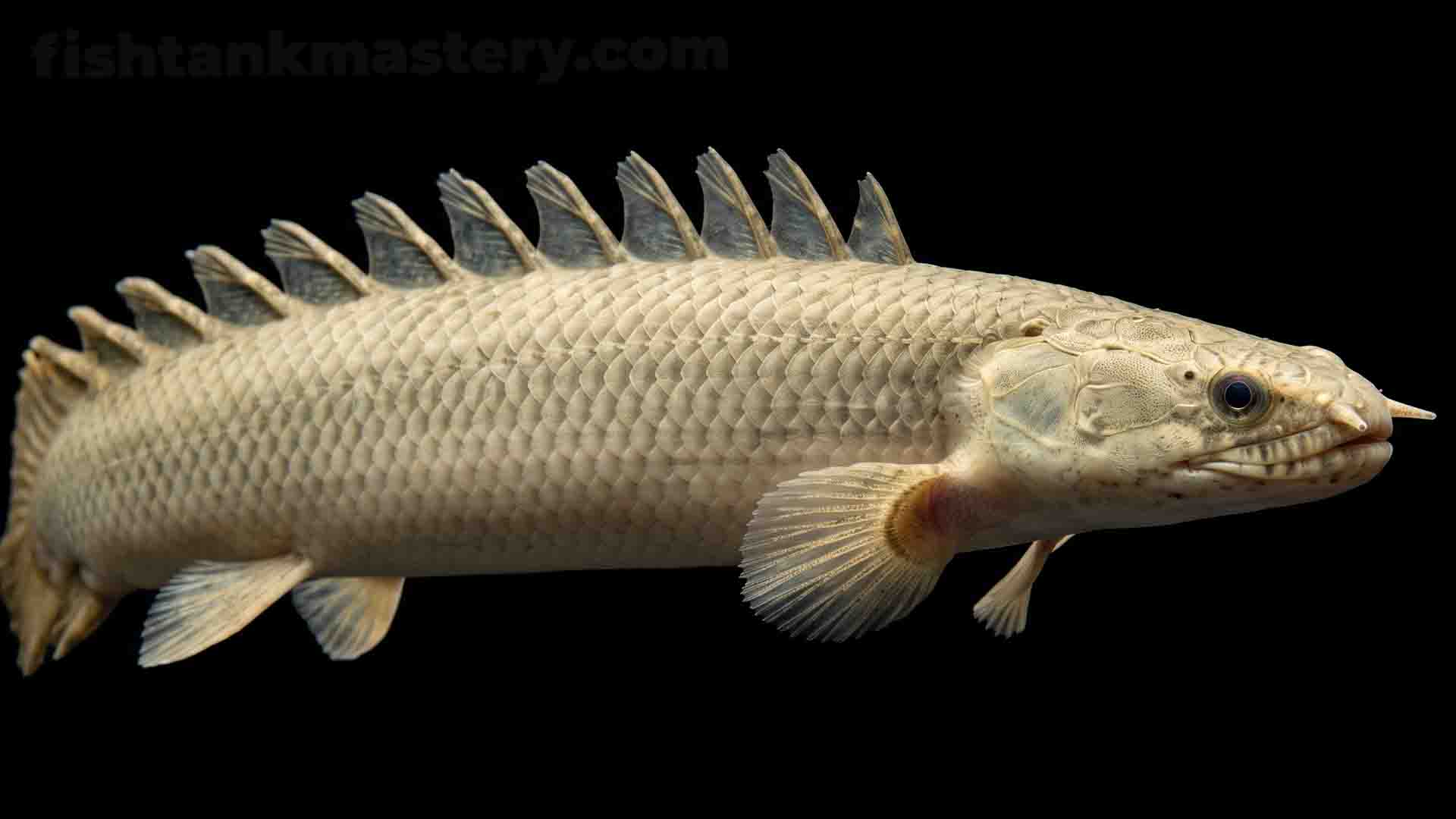
By replacing ecologically hazardous, prohibited river monsters with biologically manageable substitutes, you eliminate the risk of delayed system collapse, filter crashes, and armed wildlife raids. Below are the premier legal, sustainable swaps that bring prehistoric power to your setup without landing you in a federal courtroom.
1. Swap the Northern Snakehead for the Senegal Bichir (Polypterus senegalus)
If you are captivated by the serpentine swimming mechanics, predatory stealth, and air-breathing physiology of the prohibited Northern Snakehead, the Senegal Bichir (Polypterus senegalus) is the ultimate legal alternative. Belonging to the ancient family Polypteridae, bichirs are true living fossils that diverged from other ray-finned fishes over 390 million years ago.
Like the snakehead, the bichir possesses a heavily vascularized, paired lung-like swim bladder that enables it to breathe atmospheric oxygen directly from the water surface. However, unlike the hyper-aggressive, cold-tolerant snakehead that devastates temperate native fisheries, the Senegal Bichir reaches a manageable adult length of 10 to 12 inches (25 to 30 cm) and maintains a peaceful, methodical demeanor toward fish too large to fit inside its mouth. It features diamond-shaped ganoid armor scales and individual dorsal finlets that evoke the exact silhouette of a mythical dragon. Because its basal metabolic rate is exceptionally slow, its daily un-ionized ammonia output is a fraction of a fast-swimming teleost predator, allowing a standard external canister filter on a 55-gallon or 75-gallon tank to effortlessly process its bioload.
2. Swap the Asian Arowana for the African Butterfly Fish (Pantodon buchholzi)
For hobbyists yearning for the surface-stalking grace and primitive bony-tongue lineage of the banned Asian Arowana, the African Butterfly Fish (Pantodon buchholzi) delivers the identical evolutionary package in a nano-friendly footprint. Pantodon buchholzi is an osteoglossiform relative that shares direct phylogenetic roots with true arowanas.
Occupying the upper two inches of the water column, the African Butterfly Fish features specialized, wing-like pectoral fins, a broad, upturned mouth cleft engineered for vacuuming terrestrial insects, and reflective, predatory eyes positioned to scan the surface film. While an Asian Arowana requires a custom 250-gallon enclosure and can trigger Class D felony charges under the Endangered Species Act, a small group of African Butterfly Fish thrives in a standard 30-gallon planted aquarium. They deliver the exact surface-striking behavior of an arowana without structural glass hazards or international treaty violations.
3. Swap the Red-Bellied Pacu for High-Backed Silver Dollars (Metynnis argenteus)
If you are drawn to the gleaming silver flank, deep circular profile, and frantic schooling dynamics of the Red-Bellied Pacu, look no further than its smaller characin cousins: Silver Dollars (Metynnis argenteus or Myleus rubripinnis). Both pacus and silver dollars belong to the family Serrasalmidae, sharing similar social schooling interactions and lateral compression.
The critical distinction is adult mass scaling. While a pacu explodes past 30 inches and 40 pounds, crushing biological filters and shattering heaters, standard Silver Dollars cap out at an easily manageable 5 to 6 inches (13 to 15 cm). A school of five Silver Dollars in a 75-gallon aquarium delivers the exact visual presence of a pacu shoal without overwhelming mechanical filtration, destroying aquarium glass, or tempting the keeper into an illegal environmental dumping release.
4. Swap the Walking Catfish for the Striped Raphael Catfish (Platydoras armatulus)
Hobbyists who appreciate the armored silhouette, prominent barbels, and benthic foraging behaviors of the prohibited Walking Catfish will find an indestructible, legal partner in the Striped Raphael Catfish (Platydoras armatulus). Native to the Amazon and Parnaiba basins, this doradid catfish possesses rigid, modified lateral scutes that form thorny biological armor plates along its flanks.
Unlike Clarias batrachus, the Striped Raphael Catfish does not possess an arborescent organ designed for amphibious overland migration, meaning it poses zero invasive threat to domestic highways and wetlands. It maxes out at a robust 6 to 8 inches (15 to 20 cm), spends its daylight hours quietly sheltering beneath driftwood, and emerges at night to act as a peaceful benthic scavenger. It is completely immune to bullying from aggressive tankmates, produces minimal nitrogenous waste, and can live for more than 15 to 20 years in a stable home aquarium.
5. Swap Aggressive Tank-Busting Cichlids for the Green Severum (Heros severus)
When aquarists seek a massive, intelligent “water dog” that interacts with human faces at the glass, they often make the mistake of buying unmanageable tyrants like the Dovii, Wolf Fish, or Red Devil Cichlid. These fish inevitably force single-specimen isolation and turn routine maintenance into physical combat.
The Green Severum (Heros severus), often called the “working-class discus,” bridges this gap flawlessly. Reaching a commanding adult size of 8 to 10 inches (20 to 25 cm), the Severum offers deep, majestic body depth, intricate facial vermiculations, and high cognitive intelligence without the homicidal territorial aggression of apex cichlids. They interact enthusiastically during feeding routines, coexist peacefully with medium-sized community tankmates, and respect the physical limits of a 75-gallon setup.
Legal Monster Fish Alternatives: Compatibility, Footprint & Lifespan Matrix
The comparative matrix below outlines how our recommended legal substitutes deliver the aesthetic and behavioral presence of prohibited megafauna while maintaining total system stability and statutory compliance.
| Prohibited / Dangerous Specimen | FTM Legal Alternative | Max Adult Length | Min. Tank Footprint | Filtration Demand | Predatory Behavioral Hook |
|---|---|---|---|---|---|
| Northern Snakehead (Channa argus) | Senegal Bichir (Polypterus senegalus) | 10–12 Inches (25–30 cm) | 55 Gallons (48″ x 12″) | Moderate Canister Filter | Prehistoric armor, modified lung air-breathing, stealth stalk |
| Asian Arowana (Scleropages formosus) | African Butterfly Fish (Pantodon buchholzi) | 4 Inches (10 cm) | 30 Gallons (36″ x 12″) | Low Surface Turbulence Flow | Primitive bony-tongue strike, surface hunting, wing pectoral fins |
| Red-Bellied Pacu (Piaractus brachypomus) | Silver Dollar (Metynnis argenteus) | 5–6 Inches (13–15 cm) | 75 Gallons (48″ x 18″) | High Turnover Biological Filter | Synchronized serrasalmid schooling, glittering coin lateral flash |
| Walking Catfish (Clarias batrachus) | Striped Raphael Catfish (Platydoras armatulus) | 6–8 Inches (15–20 cm) | 40 Gallons Breeder (36″ x 18″) | Moderate Biological Sponge/Canister | Prehistoric lateral thorn scutes, active nocturnal whisker scavenging |
| Alligator Gar (Atractosteus spatula) | Needle Gar / Halfbeak (Xenentodon cancila) | 10–12 Inches (25–30 cm) | 75 Gallons (Long Runway) | High Dissolved Oxygen Flow | Elongated needle snout, precision lateral piscivorous hunting strike |
Safe Surrender Protocols: What to Do If You Already Possess an Illegal Fish
Discovering that a fish swimming in your aquarium is classified as federal contraband or a prohibited state invasive species induces immediate panic. The greatest mistake an aquarist can make in this moment is succumbing to the impulse to dump the animal into a local pond or river. Releasing an invasive predator constitutes an independent, severe environmental crime that devastates local ecosystems and leaves you vulnerable to criminal prosecution. If you find yourself in possession of an unauthorized species, execute the following four-step Safe Surrender Protocol:
1. Utilize State Wildlife Exotic Pet Amnesty Programs
Several states with highly vulnerable subtropical aquatic habitats operate official, legally binding amnesty initiatives designed specifically to prevent non-native pet releases. The most famous is the Florida Fish and Wildlife Conservation Commission (FWC) Exotic Pet Amnesty Program (EPAP). Under statutory amnesty rules, private pet owners can surrender non-native fish, reptiles, and amphibians to licensed wildlife authorities free of charge, with complete immunity from state prosecution, civil citations, or criminal penalties for unlawful possession.
State agencies coordinate with pre-approved, certified biological adopters, zoological educational institutions, and research universities to place surrendered specimens into permanent, secure facilities. Check with your respective state’s Department of Natural Resources (DNR) or Fish and Game Commission to determine if designated Pet Amnesty Days or year-round surrender channels are active in your jurisdiction.
2. Contact Regional Ichthyological Societies and Aquarium Clubs
If your state does not host a formal pet amnesty program, your immediate point of contact should be an established, non-profit regional aquarium society (such as the American Cichlid Association or regional freshwater clubs). Veteran club administrators frequently have direct working relationships with state wildlife liaison officers and maintain connections with advanced hobbyists who hold official state scientific holding permits.
These organizations can often orchestrate legal transfers to authorized facilities without exposing the hobbyist to criminal entrapment. Never post the fish for sale on open public classifieds like Craigslist or Facebook Marketplace; doing so creates an explicit electronic paper trail of illegal commercial offering that can trigger an armed USFWS or state conservation officer sting operation.
3. Coordinate Directly with State Fisheries Biologists (Not Front-Line Patrol)
If you must contact state wildlife authorities directly, request to speak with a regional fisheries biologist or invasive species coordinator rather than calling an emergency enforcement dispatch hotline. Fisheries biologists are scientists focused on ecological threat containment, pathogen mitigation, and tracking distribution data.
Explain transparently that you acquired a juvenile specimen under a deceptive commercial retail label (e.g., purchased as a common silver dollar or generic cichlid) and only recently identified it as a prohibited taxon through taxonomic research. In the vast majority of non-commercial instances where an owner voluntarily reaches out to prevent an environmental escape, wildlife agencies prioritize safe specimen transfer over punitive criminal prosecution, provided the individual did not engage in interstate black-market purchasing.
4. Execute Humane Chemical Euthanasia (AVMA Protocols)
When legal surrender, rehoming, and biological sanctuary transfers are entirely unavailable, an ethical fishkeeper must recognize that humane, painless euthanasia is infinitely superior to dumping an animal into public waterways. Freezing a live fish in a household freezer or flushing it down municipal plumbing are archaic, cruel practices that induce severe cellular pain and thermal agony.
The American Veterinary Medical Association (AVMA) guidelines for aquatic animal euthanasia specify two primary, humane chemical protocols accessible to private keepers:
- Buffered Tricaine Methanesulfonate (MS-222): An FDA-approved aquatic anesthetic. Dissolving a lethal overdose (250 to 500 mg/L) buffered with an equal weight of sodium bicarbonate (to stabilize pH) induces rapid neurological anesthesia within two minutes, followed by cardiac arrest with zero suffering.
- Eugenol (Clove Oil) Emulsion: For keepers without access to veterinary pharmaceuticals, pure food-grade clove oil acts as a potent central nervous system depressant. Emulsify 4 to 5 drops of clove oil per gallon of water in a small cup of warm tank water until it forms a milky solution. Slowly introduce this emulsion into a separate treatment container holding the fish. The fish will drift into a peaceful surgical sleep within five minutes. Once opercular gill movement ceases entirely, add an additional 10 to 15 drops per gallon to ensure definitive, painless respiratory and cardiac cessation. Leave the specimen submerged for at least 30 minutes to confirm biological death before sanitary disposal.
Scientific Truths Behind Invasive Teleost Physiology & Invasion Ecology
To understand why the federal government and state wildlife agencies police these ten species with armed tactical teams and heavy criminal indictments, we must look beyond bureaucratic statutes and analyze the published literature of teleost physiology and invasion ecology.
Truth 1: Facultative Air-Breathing Completely Breaks Native Predator-Prey Dynamics
In temperate and subtropical aquatic ecosystems, seasonal water stagnation, high summer water temperatures, and algal blooms induce acute biochemical oxygen demand crashes, reducing dissolved oxygen levels below 2.0 mg/L. Under these hypoxic conditions, native teleosts such as Largemouth Bass (Micropterus salmoides) and Bluegill (Lepomis macrochirus) suffer profound physiological asphyxiation, respiratory distress, and mortality.
However, invasive teleosts equipped with secondary respiratory organs—such as the suprabranchial vascular chambers of the Northern Snakehead or the arborescent organs of the Walking Catfish—bypass dissolved oxygen limitations entirely. Controlled physiological studies published in the Journal of Environmental Biology of Fishes demonstrate that facultative air-breathers maintain normal metabolic kinetics and active hunting velocity even in completely anoxic water columns. Consequently, an introduced snakehead population does not simply compete with native fish; it systematically hunts native gamefish while they are physiologically incapacitated by low oxygen, accelerating localized fishery collapses.
Truth 2: Kleiber’s Law Dictates That Metabolic Dominance Scales Faster Than Physical Volume
Hobbyists consistently assume that keeping a predator peaceful is simply a matter of providing adequate food and a slightly larger glass box. This assumption violates fundamental metabolic scaling principles. As detailed in foundational comparative bioenergetics research published through Elsevier Aquaculture, large predatory teleosts adhere to allometric metabolic scaling laws.
As body mass increases, a predator’s energetic efficiency rises dramatically. A 20-pound Alligator Gar or Pacu requires significantly less energy per gram of tissue to maintain homeostasis than a juvenile, allowing it to direct massive reserves of caloric intake into territorial dominance, prolonged sprint kinetics, and sustained environmental alteration. Because enclosed aquariums compress territorial sightlines, this metabolic efficiency is channeled directly into continuous agonistic behaviors against tankmates, rendering peaceful community coexistence biologically impossible regardless of supplemental feeding schedules.
Truth 3: Non-Native Species Function as Asymptomatic Vectors for Epizootic Pathogens
The threat posed by imported contraband fish is not limited to macroscopic predation; it operates on a microscopic, epidemiological level. Wild-caught or black-market specimens smuggled through unmonitored transit routes bypass mandatory federal quarantine and veterinary diagnostic inspections. Research compiled by the U.S. Geological Survey (USGS) Aquatic Ecology Division confirms that non-native teleosts frequently serve as immune, asymptomatic carriers for catastrophic pathogens.
The Northern Snakehead, for instance, is a primary biological reservoir for Aphanomyces invadans, the causative fungal agent of Epizootic Ulcerative Syndrome (EUS). While Channa argus exhibits high dermal resistance to the pathogen, native North American salmonids, ictalurids, and centrarchids possess zero innate immune defenses against it. When an infected snakehead is introduced to a river system, the fungus sporulates into the water column, penetrating the skin of native fish and inducing catastrophic ulcerative dermal necrosis that decimates commercial and sport fisheries across entire hydrological basins.
Truth 4: Trophic Cascades in Closed Drainage Basins Trigger Total Macrophyte Loss
When high-mass omnivores like the Red-Bellied Pacu are dumped into public retention lakes, their ecological impact triggers a rapid, negative trophic cascade. Limnological field surveys published in Oxford Academic Freshwater Science reveal that the continuous mechanical destruction of native submerged macrophytes (such as Vallisneria and Potamogeton) by grazing pacus strips lakes of their primary nutrient filters.
As rooted vegetation is eradicated by the pacu’s molariform dentition, sediment destabilization occurs, releasing legacy phosphorus and nitrogen bound within benthic muds. With no macrophyte competition to absorb the dissolved nutrients, the invaded water body rapidly shifts from a clear-water, macrophyte-dominated equilibrium to a hyper-eutrophic state characterized by toxic cyanobacterial blooms, profound nocturnal oxygen depletion, and massive native fish die-offs.
Google People Also Ask (PAA)
What is the single most illegal aquarium fish in the United States?
The Asian Arowana (Scleropages formosus) is the most strictly policed ornamental fish in the United States. Listed under CITES Appendix I and the federal Endangered Species Act, importing, possessing, selling, or transporting a specimen without a federal scientific permit is an unbailable Class D Federal Felony punishable by up to five years in federal prison and 250,000 USD in criminal fines.
Can you go to jail for owning a Northern Snakehead?
Yes. Northern Snakeheads (Channa argus) are banned federally under the Lacey Act Injurious Wildlife list (Title 18 U.S.C. 42). Possessing a live specimen triggers severe federal misdemeanor or felony indictments, while state-level wildlife violations carry penalties of up to 5,000 USD in personal fines and up to one year of imprisonment.
Are Piranhas illegal to keep across the entire United States?
No. Red-Bellied Piranhas (Pygocentrus nattereri) are not banned at the federal level. However, they are strictly prohibited across more than 25 individual states—primarily in the American South, Southwest, and Pacific Coast (including California, Florida, and Texas)—where warm winter water temperatures allow feral breeding colonies to permanently establish in public waterways.
Why are pet stores allowed to sell baby Pacus if they get so big?
In states where pacus are not explicitly blacklisted as invasive species, commercial retail chains exploit regulatory loopholes, marketing 2-inch juveniles as “Vegetarian Piranhas” to drive high inventory turnover. While selling the fish may be legal locally, releasing an outgrown pacu into public waters is an environmental crime across all 50 states.
What happens if game wardens find an illegal fish in your house?
State wildlife officers or USFWS Special Agents operating under a judicial search warrant will immediately confiscate the prohibited animals, photograph system setups for criminal evidence, seize digital communication and purchasing records, and euthanize or transfer the specimens to accredited zoological facilities. The owner is typically charged with wildlife trafficking, possession of injurious species, or state environmental code violations.
Can public aquariums adopt a monster fish that outgrew my tank?
No. Public aquariums accredited by the Association of Zoos and Aquariums (AZA) enforce strict veterinary biosecurity protocols and do not accept private hobbyist pet donations. Private fish carry high risks of unverified pathogens, parasites, and unknown genetic backgrounds.
Frequently Asked Questions (FAQ)
What is the financial threshold that turns a Lacey Act wildlife violation into a federal felony?
Under Title 16 U.S.C. Section 3373(d), any interstate commercial wildlife transaction involving specimens with a market value exceeding 350 USD elevates a misdemeanor wildlife violation into a full Class D or Class E Federal Felony. Because high-end illegal predatory fish (such as Asian Arowanas, morph stingrays, and exotic snakeheads) routinely trade for hundreds or thousands of dollars, virtually all black-market aquarium transactions immediately cross this felony threshold, exposing participants to multi-year federal prison sentences.
Is it legal to own a captive-bred Asian Arowana with a CITES microchip certificate in the US?
No. While Southeast Asian aquaculture farms surgically implant CITES-certified microchips into captive-bred Asian Arowanas—making them legal to keep in Canada, Europe, and Asia—the United States Endangered Species Act (ESA) does not recognize commercial captive-breeding exemptions for private ownership. Under USFWS statutory enforcement, private pet importation remains totally prohibited regardless of microchip documentation.
Why are Freshwater Stingrays banned in warm states but legal in cold states?
Freshwater Stingrays (Potamotrygon species) are native to tropical South American river systems. In northern states, accidental releases result in rapid winter mortality due to freezing water temperatures. In southern states like California, Texas, and Florida, public lakes and canal networks maintain year-round water temperatures warm enough to support reproducing stingray populations, which would destroy native benthic ecosystems and severely endanger human swimmers with venomous caudal stings.
What should I do if a local fish store accidentally sold me an illegal species under a false label?
Do not release the animal into any waterway, and do not attempt to resell it online. Immediately isolate the specimen in a secure aquarium, photograph it for taxonomic identification, and contact your state’s Department of Natural Resources (DNR) or regional Fish and Wildlife agency invasive species division to request assistance with legal pet surrender protocols.
Can an Alligator Gar truly break an aquarium glass panel?
Yes. Sub-adult and adult Alligator Gars possess rigid ganoid scale armor, heavy skeletal craniums, and muscular bodies capable of explosive flight reflexes when startled. Because they lack flexible spinal articulation, a high-speed collision with the front viewing panel of a domestic glass aquarium generates kinetic shock forces equivalent to a thrown heavy brick, routinely fracturing structural silicone seams and shattering tempered glass panels.
How does the USFWS track illegal aquarium fish sales on the internet?
The USFWS Office of Law Enforcement employs specialized plainclothes cyber-investigators who actively monitor online classifieds (Craigslist), private messaging groups (Band, Telegram), reptile/fish swap meets, and specialized predator forums. Undercover agents frequently pose as buyers or sellers to trace financial transactions, obtain search warrants, and intercept mislabeled shipping packages at international parcel hubs.
Hub & Spoke: Stabilize Your Entire Aquarium System
Mastering the complexities of large predatory fish requires transitioning away from impulse showroom buying and designing closed ecosystems around biological truth. If you previously encountered tempting, high-risk predators on underground online marketplaces, read our investigative report on buying the deadliest monster fish online to understand the true structural and biological liabilities of shipped river giants. If you are currently dealing with juvenile predators that appeared manageable in the store but are rapidly expanding in mass, consult our scientific diagnosis of the monster fish juvenile trap and delayed tank collapse.
For hobbyists who love the predatory presence of ancient megafauna but refuse to gamble with federal wildlife indictments or cracked living room glass, explore our comprehensive catalog of realistic monster aquarium fish alternatives that thrive permanently in home systems. If your aquarium is suffering from sudden, inexplicable aggression after adding an apparently peaceful juvenile, study our diagnostic framework on why peaceful fish turn aggressive. To prevent retail sales staff from saddling you with high-mass biological polluters disguised as easy starters, review our expose on the 10 worst aquarium fish that make beginners quit the hobby alongside our analysis of 7 worst aquarium fish that ruin tanks fast.
Official Statutory Framework & Government Legal Sources
Every legal regulation cited in this guide is derived directly from codified federal statutes, international conservation treaties, and active state wildlife administration codes. Aquarists are strongly encouraged to verify local and federal species restrictions through the following official government portals:
- Federal Lacey Act – Injurious Wildlife Provisions: Codified under Title 18 U.S. Code Section 42, detailing statutory restrictions on the importation and interstate shipment of listed injurious aquatic species.
- Federal Lacey Act – Unlawful Trafficking & Civil Penalties: Codified under Title 16 U.S. Code Sections 3371–3378, outlining felony thresholds (350 USD market value rule) and federal enforcement mechanisms for wildlife taken in violation of state or foreign law.
- U.S. Fish and Wildlife Service (USFWS) Injurious Wildlife Program: Review official listings, invasive risk assessments, and species status updates at the USFWS Injurious Wildlife Portal.
- Endangered Species Act (ESA) Regulatory Framework: Official statutory documentation and species listings under the USFWS Endangered Species Act Program.
- Convention on International Trade in Endangered Species (CITES): Review international trade restrictions and Appendix I species designations at the official CITES Appendices Database.
- Florida Fish and Wildlife Conservation Commission (FWC) Prohibited Species: Access the official Florida non-native species lists and surrender rules via the FWC Prohibited Nonnative Species Directory.
- USGS Nonindigenous Aquatic Species (NAS) Database: Track verified wild distribution records, invasive collection maps, and biological profiles across North America at the USGS NAS Comprehensive Database.
Scientific References & Literature Review
- Courtenay, W. R., & Williams, J. D. (2004). Snakeheads (Pisces, Channidae)—A Biological Synopsis and Risk Assessment. U.S. Geological Survey Circular 1251. Explores the respiratory physiology, overland migration, and ecological devastation of Channa argus across North American watersheds. Read the study.
- Helfman, G., Collette, B. B., Facey, D. E., & Bowen, B. W. (2009). The Diversity of Fishes: Biology, Evolution, and Ecology. Wiley-Blackwell. Establishes the morphological mechanics of primitive Osteoglossiformes and the allometric growth scaling of apex river teleosts. Read the study.
- Padilla, D. K., & Williams, S. L. (2004). Beyond ballast water: aquarium and ornamental trades as sources of invasive species in North America. Frontiers in Ecology and the Environment, 2(3), 131–138. Deconstructs the delayed ecological collapses resulting from private aquarium dumping. Read the study.
- Kleiber, M. (1947). Body size and metabolic rate. Physiological Reviews, 27(4), 511–541. Foundational literature governing non-linear metabolic scaling and waste production curves in teleost vertebrates. Read the study.
Watch Next: The FTM Monster Fish Video Chain
Extend your ecosystem mastery and protect your living room from catastrophic aquarium disasters with our curated YouTube video series:
- 10 Aquarium MONSTER Fish That DESTROY Tankmates (Aggressive List): Watch the real-time aggression mechanics and territorial destruction of popular river predators. Watch the breakdown.
- Realistic Aquarium Alternatives to 13 Aggressive Monster Fish: See the exact safe swaps that match the monster aesthetic without the biological body count. Watch the alternatives guide.
- 7 Aquarium Fish That Should Be ILLEGAL to Own (Do NOT Buy These): Exposing the worst impulse buys commonly sold to beginners in retail stores. Watch the expose.
- 6 Most Dangerous Aquarium Monster Fish (Never Keep These at Home): Real-world hobbyist case studies on bite pressures, heater damage, and physical injuries. Watch the danger report.
- Full YouTube Playlist: Monster & Aggressive Aquarium Fish – What NOT to Keep: Binge our complete survival library to build an unbreakable freshwater ecosystem. Binge the playlist.
True fishkeeping mastery is not measured by the size of the beast swimming behind your glass; it is proven by your ability to engineer a biologically stable, sustainable environment that respects natural laws. Build systems around evolutionary reality, protect our native waterways, and keep your curiosity flowing.