
If you are searching for illegal aquarium fish legal in us banned in uk, you are about to uncover why the Atlantic Ocean divides aquatic wildlife law right down to the cellular level. Walk into an ordinary big-box pet store in Texas or Ohio, and you can casually drop ten dollars on a Weather Loach, a school of Rosy Red Minnows, or a prehistoric Spotted Gar without signing a single piece of government paperwork. But try importing or keeping those exact same species across the pond in England, Wales, or Scotland without an elusive commercial license, and you will find yourself face-to-face with armed wildlife crime units, mandatory confiscations, and devastating criminal prosecution under the Department for Environment, Food and Rural Affairs (DEFRA).
Most aquarists believe the classic retail myth: fish get banned because they have razor-sharp teeth, monstrous jaws, or aggressive, venomous temperaments. That assumption is dead wrong. In our previous investigation exposing the species that trigger illegal aquarium fish felony penalties in the United States, we showed how the federal Lacey Act cracks down on invasive walking predators. But across the Atlantic, British biosecurity officials operate under an entirely different environmental reality. In the United Kingdom, tropical monsters like Piranhas, Peacock Bass, and Redtail Catfish are not the government’s primary ecological nightmare. Why? Because the moment a tropical predator escapes into the River Thames or a Yorkshire canal, the first sub-10°C autumn freeze shuts down its metabolic machinery and turns it into a harmless floating carcass.
The true biosecurity threat to Great Britain comes from temperate, cold-hardy survivors. Under the Import of Live Fish Act 1980 (ILFA) and the Retained EU Invasive Alien Species Regulations, DEFRA targets species engineered by millions of years of evolution to withstand sub-zero winter temperatures, low dissolved oxygen under frozen ice sheets, and extreme physiological starvation. When an aquarist dumps a bucket of these seemingly harmless pets into an open waterway, they do not die—they establish permanent breeding colonies, displace endemic brown trout, excavate riverbeds, and vector deadly viral epidemics. Let us break down the real biological science behind why these ten US aquarium staples are classified as ecological contraband in the United Kingdom.
Before examining the species profiles below, watch our comprehensive field investigation in the video above to see live macroscopic footage of these prohibited species, their jaw morphology, and the specific physiological traits that make their containment a legal imperative.
The Thermal Tolerance Paradox: Why British Winters Dictate Global Fish Laws
To understand the legal chasm between American and British fishkeeping, you have to look past the aquarium glass and study the thermal physics of open freshwater ecosystems. The United Kingdom sits in a temperate maritime zone where winter water temperatures in canals, reservoirs, and lowland rivers routinely plunge to between 2°C and 4°C (35°F to 39°F). In ecological science, this 4°C threshold represents a biological iron curtain known as the overwintering barrier.
Fish are ectothermic teleosts. Their metabolic velocity, cardiac output, digestive enzyme catalysis, and immune response kinetics are dictated entirely by ambient water temperature, a biochemical reality governed by the Q10 temperature coefficient. For obligate tropical species originating from the Amazon basin or Southeast Asian peat swamps, a prolonged drop below 12°C triggers an irreversible physiological condition known as metabolic cold-lock. Below this critical thermal minimum, digestive enzymes such as pepsin and trypsin cease catalytic activity, branchial ionocyte pumps inside the gill epithelium fail to maintain osmotic pressure, and the animal suffers systemic cellular collapse. Tropical predators cannot overwinter in the UK; they simply freeze and rot.
Temperate and eurythermal fish, however, possess evolutionary cold-shock proteins and high-stability polyunsaturated fatty acid cell membranes that maintain fluidity and homeostatic enzymatic function near freezing point. When a temperate fish reaches an open waterway, an accidental bucket release is not a localized incident—it is a permanent biological invasion. This physiological divergence explains why British law disregards tropical giants but enforces military-grade biosecurity against coldwater aquarium oddities.
Many beginners construct outdoor ponds or unsealed setups under the mistaken belief that natural, low-tech systems are harmless. Yet, as we detailed in our analysis of fatal self-sustaining aquarium and pond design mistakes, failing to establish physical escape barriers during seasonal floods is precisely how ornamental species jump the boundary into native river catchments. Once a cold-hardy species bridges that gap, the ecological debt compounds relentlessly.
The Banned 10: Anatomical Weapons & Ecological Threat Breakdown
Fish 10: Dojo Loach (Misgurnus anguillicaudatus) – Enteric Respiration & Mud Survival
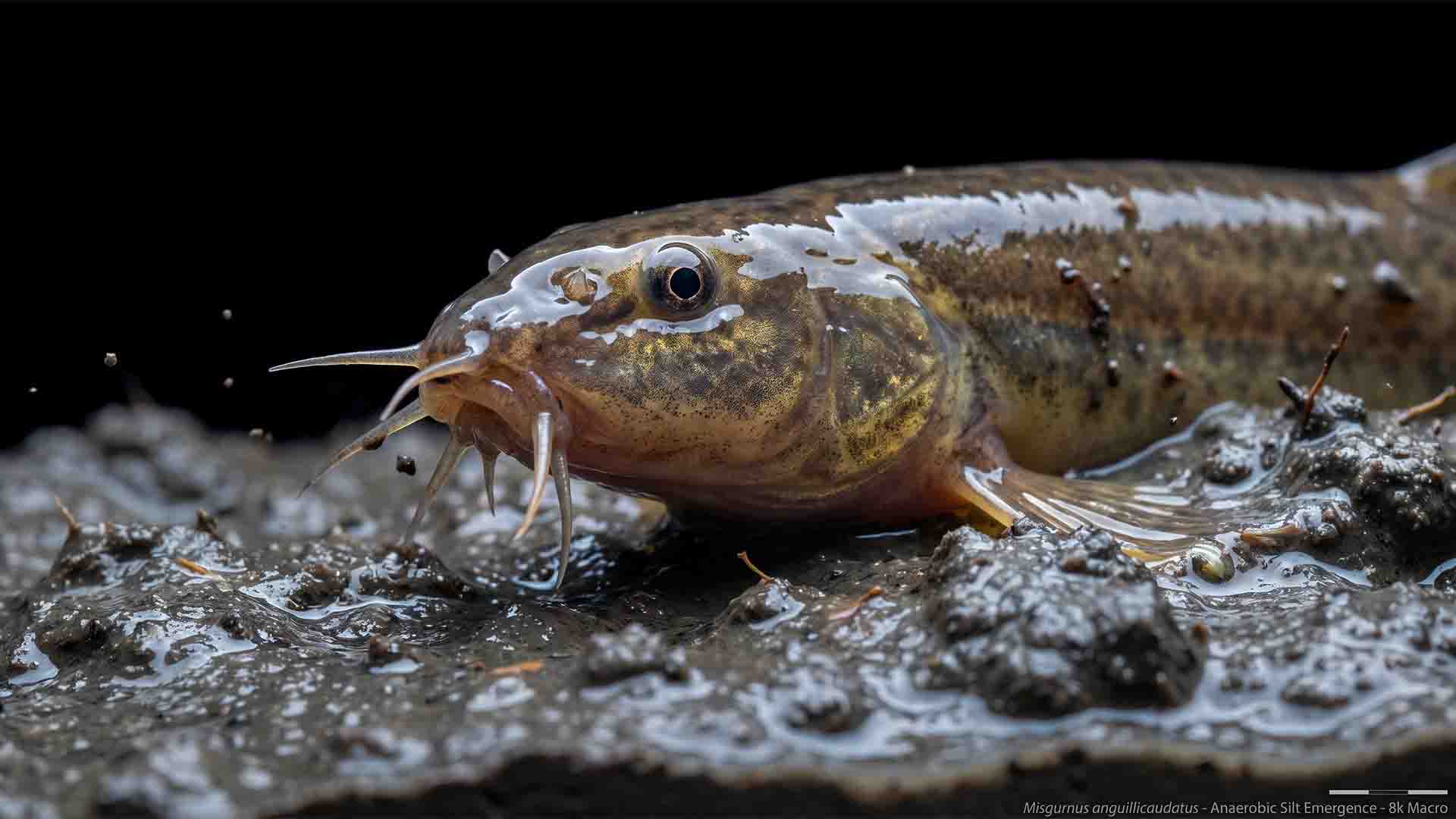
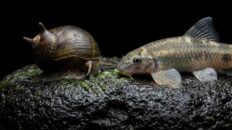
Known across the United States as the Weather Loach, Dojo Loach, or Pond Loach, Misgurnus anguillicaudatus is celebrated by American hobbyists as an active, goofy bottom scavenger that predicts barometric pressure drops. In the United Kingdom, it is classified as a high-consequence invasive alien species whose unauthorized release carries severe criminal penalties under the Wildlife and Countryside Act 1981 and ILFA orders.
The primary reason DEFRA outlaws the Dojo Loach is its near-indestructible respiratory architecture. Unlike most freshwater teleosts that rely exclusively on branchial gill gas exchange, Misgurnus anguillicaudatus possesses an extraordinary evolutionary adaptation known as enteric gut respiration. When localized waterways freeze over or dry up into stagnant, anoxic mud flats, the loach ascends to the surface, gulps atmospheric air through its mouth, and forces the oxygen pocket through its specialized, hyper-vascularized posterior alimentary tract.
The epithelial lining of the loach’s mid-gut and hind-gut is densely packed with capillary networks separated from the intestinal lumen by a microscopic mucosal barrier. Oxygen diffuses directly across the digestive walls into the circulatory system, while carbon dioxide and unabsorbed nitrogenous gas are forcefully vented out through the anus. This biological bypass allows the Dojo Loach to survive in anaerobic mud substrates completely devoid of dissolved oxygen—conditions that cause instant mortality in native fish.
Furthermore, their relentless fossorial behavior triggers severe benthic bioturbation. In native British chalk streams and gravel-bedded rivers, Dojo Loaches plunge their snouts deep into the substrate to feed on macro-invertebrates, mobilizing fine silt and suspended particulate matter. This chronic turbidity blankets the lithophilic spawning beds (redds) of wild Brown Trout (Salmo trutta) and Atlantic Salmon, suffocating developing fish embryos while mechanically outcompeting the native, protected European Stone Loach (Barbatula barbatula). While American keepers often view them as harmless additions to unheated setups—a topic we explored when reviewing the hardiest coldwater fish that thrive without a heater—their introduction into foreign temperate rivers represents an unmitigated disaster.
Rather than gambling with high-risk temperate loaches that destabilize closed systems, responsible aquarists deploy biologically contained janitors. Discovering which non-destructive species maintain substrate hygiene without wrecking water chemistry is mapped out in our field guide to the most underrated freshwater clean-up crew species.
Fish 9: Pumpkinseed Sunfish (Lepomis gibbosus) – Canal Dominance & Redds Depredation
Originating from eastern North America, the Pumpkinseed Sunfish (Lepomis gibbosus) is kept legally in many US home aquariums for its brilliant turquoise-emerald striping and vibrant orange belly. In the UK, it is strictly blacklisted under the Invasive Alien Species (Enforcement and Permitting) Order. Keeping, breeding, transporting, or selling this fish without a DEFRA-issued invasive alien species permit is an outright criminal offense.
The Pumpkinseed’s ecological threat stems from an aggressive centrarchid behavioral profile combined with wide eurythermal enzyme stability. Pumpkinseeds remain metabolically active across a temperature spectrum spanning from 1°C up to 32°C. While native British fish species slow down during late spring and early summer temperature swings, male Pumpkinseeds establish aggressive, tightly clustered breeding colonies along shallow river margins, ponds, and slow-moving canal waterways.
Using their muscular caudal fins, male Pumpkinseeds vigorously excavate deep saucer-shaped nesting depressions in the substrate, sweeping away all vegetation, fine gravel, and competing macrofauna. Once eggs are fertilized, the male displays ferocious territorial aggression, attacking and repelling predators ten times its physical mass. More critically, Pumpkinseeds possess a high-contrast visual strike mechanism optimized for locating resting prey in low-light environments. They actively stalk the shallow marginal nurseries of native European Perch (Perca fluviatilis) and Roach (Rutilus rutilus), systematically consuming juvenile fry and devouring the unprotected egg clutches of endemic salmonids.
British waterways, already heavily stressed by industrial canal networks and habitat loss, cannot handle a prolific, nest-guarding micro-predator that reproduces multiple times per season. In closed southern English lakes where illicit introductions occurred in the past, Pumpkinseeds rapidly achieved monoculture biomass dominance, collapsing native insect populations and starving endemic cyprinids out of their ancestral foraging niches.
Fish 8: Rosy Red Minnow (Pimephales promelas) – The Viral Reservoir & SVC Vector
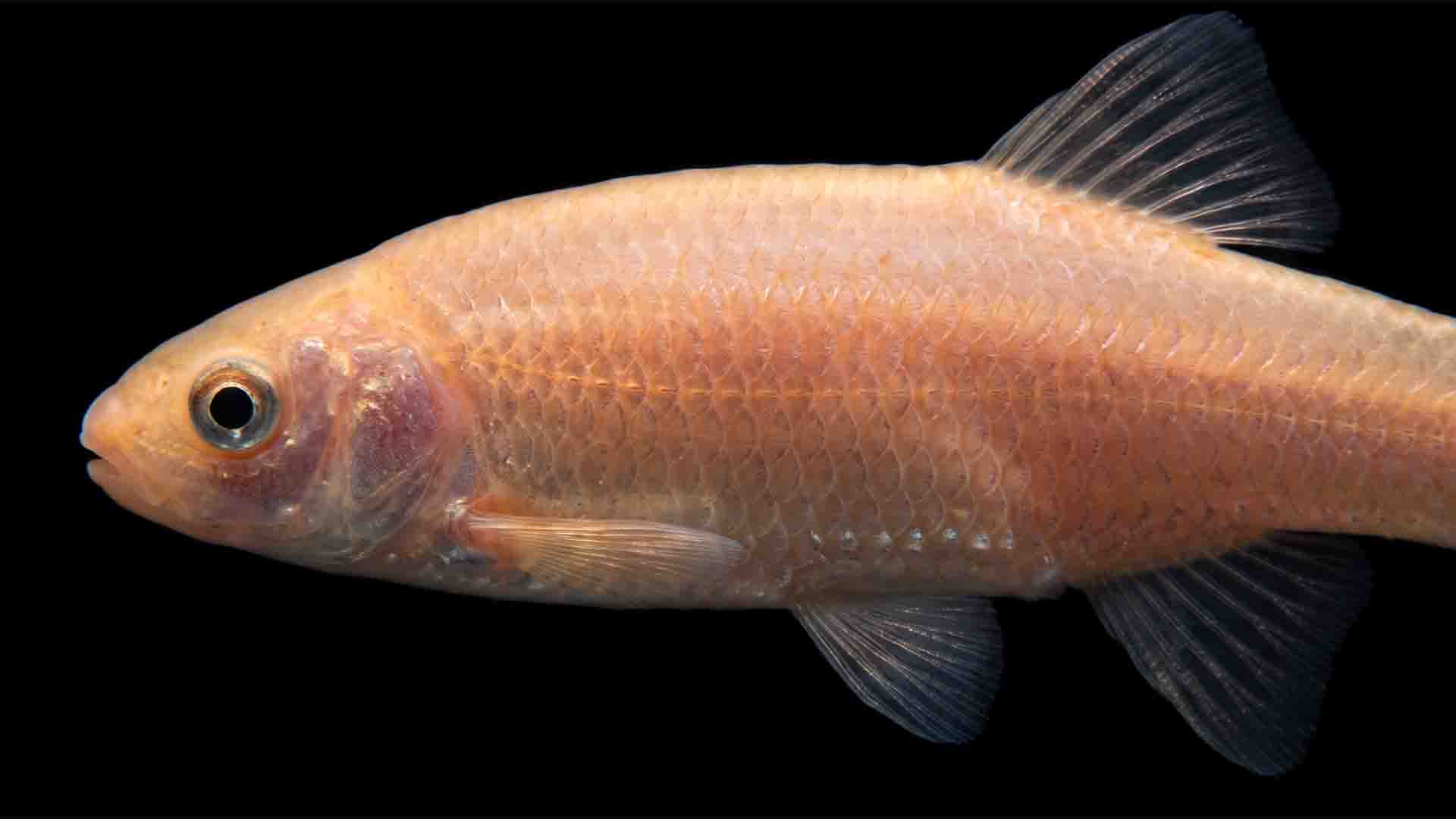
In American pet stores, the Rosy Red Minnow—the selectively bred leucistic color morph of the wild Fathead Minnow (Pimephales promelas)—is sold for twenty-five cents apiece as disposable “feeder fish” for predatory cichlids and turtles. In the United Kingdom, releasing, importing, or maintaining this tiny cyprinid without stringent biological containment is an operational nightmare that triggers emergency DEFRA intervention.
Why would biosecurity agents mobilize over a two-inch orange feeder fish? The answer has nothing to do with predatory aggression and everything to do with virology. Pimephales promelas is the primary, highly competent latent host reservoir for Spring Viraemia of Carp (SVC), an incurable, World Organisation for Animal Health (WOAH) notifiable disease caused by the Sprivivirus cyprinus rhabdovirus.
SVC is an enveloped, single-stranded RNA virus that targets the vascular endothelium and hematopoietic tissues within cyprinid kidneys, spleen, and gill filaments. In the United Kingdom, carp angling and commercial coarse fisheries represent a multi-billion-pound sporting and economic industry. When ambient water temperatures sit between 11°C and 17°C during early spring, the virus replicates aggressively inside infected hosts, causing systemic visceral hemorrhaging, severe abdominal dropsy, exophthalmia (pop-eye), and catastrophic mortality rates exceeding 70% in wild and commercial Common Carp (Cyprinus carpio).
The terrifying reality of the Rosy Red Minnow is that adult specimens can harbor sub-clinical, asymptomatic SVC titers while appearing completely healthy. When an unknowing aquarist buys feeder minnows or uninspected stock, they are effectively dropping an invisible viral bomb into their collection. If those fish are dumped into an outdoor garden pond that overflows during an autumn downpour, the rhabdovirus enters the regional river basin. Once established, SVC cannot be eradicated by aquatic medications—it necessitates complete chemical sterilisation of infected fisheries and mandatory culling of all remaining stock.
Fish 7: Chinese High-Fin Banded Shark (Myxocyprinus asiaticus) – The Yangtze River Giant
American aquarium retailers frequently sell cute, two-inch juvenile Chinese High-Fin Banded Sharks (Myxocyprinus asiaticus) as quirky, sail-finned “novelty cleaners” for standard tropical community tanks. This is one of the most deceptive retail sales in modern fishkeeping, an egregious industry trap we thoroughly dismantled when identifying the most misleading freshwater fish that destroy home tanks.
Under DEFRA regulations, Myxocyprinus asiaticus is banned from unpermitted general trade because its adult biology is diametrically opposed to warm, confined home setups. Endemic to the turbulent, sub-alpine upper reaches of the Yangtze River basin in China, this species is not a tropical novelty. It is a massive, cold-temperate benthic catostomid that naturally reaches over four feet (130 cm) in total length and weighs up to 88 pounds (40 kg).
As juveniles mature, their striking triangular sailfin collapses, their high-contrast brown-and-cream vertical banding fades into a solid, mottled brassy-black hue, and their dietary requirements shift into high gear. They thrive effortlessly in water temperatures as low as 4°C (39°F). Because uninformed hobbyists inevitably watch these fish rapidly outgrow standard four-foot glass tanks, the temptation to “rehome” them into localized private fishing lakes or public reservoirs is extraordinarily high.
If released into British waterways, a school of adult Chinese High-Fin Banded Sharks functions like a fleet of heavy-duty industrial vacuum cleaners. Their thick, papillose ventral suctorial lips graze across entire gravel shoals, stripping benthic diatom communities, consuming critical freshwater invertebrates, and displacing native Bream (Abramis brama) and Barbel (Barbus barbus) through sheer, overwhelming biomass momentum.
Fish 6: Why Temperate Gars Are Banned Over Alligator Gars (Thermal Overwintering)
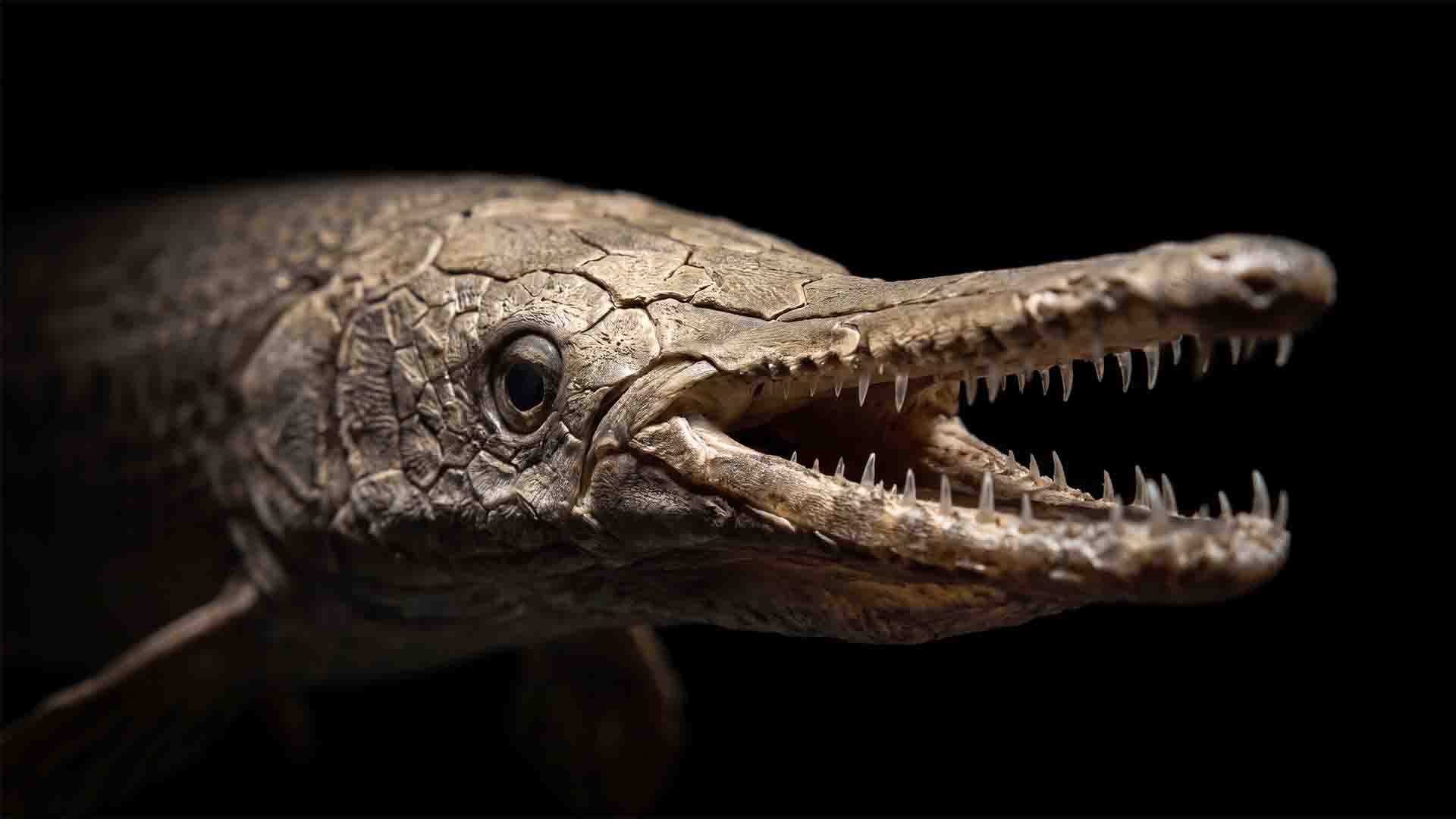
The UK legal status of the Lepisosteidae family exposes the core hypocrisy of amateur fishkeeping logic. If you search aquarium forums, you will find hobbyists completely baffled by the fact that the massive, terrifying Alligator Gar (Atractosteus spatula)—a seven-foot river monster with double rows of dagger-like teeth—has historically faced less urgent biosecurity panic in temperate Britain than its much smaller cousins, the Spotted Gar (Lepisosteus oculatus) and Longnose Gar (Lepisosteus osseus).
Why would DEFRA crack down aggressively on a three-foot Spotted Gar while viewing the colossal Alligator Gar as a secondary wild threat? The answer comes down entirely to latitudinal evolution and overwintering enzymes. The Alligator Gar is predominantly a subtropical and warm-temperate predator adapted to the sluggish, warm bayous of the American Gulf Coast, Mexico, and the lower Mississippi. If an Alligator Gar escapes into a Manchester river, the first sustained British winter brings water temperatures below 6°C. At that threshold, its southern metabolic pathways lock up: its immune system crashes, gut motility freezes, and the fish dies of acute hypothermic organ failure.
Conversely, the Spotted Gar and Longnose Gar evolved across northern latitudes extending through the northern United States, the Great Lakes basin, and southern Canada. These temperate gars possess interlocking, enamel-coated diamond ganoid scales that form an impenetrable biological armor against physical abrasion and ice shearing. More crucially, their cellular enzyme systems are biologically tuned to remain operational beneath thick winter ice sheets.
Equipped with a vascularized swim bladder that acts as an auxiliary aerial lung, a temperate gar can cruise sluggish, frozen British backwaters during winter, drop into low-gear hibernation, and emerge in spring as an unstoppable apex pursuit hunter. With narrow, beak-like rostra packed with needle-sharp dentition, a single pair of overwintered Longnose Gars could systematically annihilate indigenous stocks of Trout, Roach, and Perch while remaining completely immune to natural British predators. This extreme survivability is why DEFRA lists temperate Lepisosteus species under strict licensing protocols while barring them from casual pet shop sales.
Allowing high-risk species to escape often traces back to fundamental mechanical oversights during initial tank assembly. Whether through unsealed rimless lids, poorly plumbed sump overflows, or catastrophic heater failures that drive keepers to panic-rehome stock, preventing systemic disasters requires auditing your setup against foundational freshwater fish tank setup mistakes before you ever introduce livestock.
Fish 5: Bullhead Catfish (Ameiurus melas & Ameiurus nebulosus) – Benthic Substrate Destruction
Widespread across North American ponds, lakes, and slow-moving bayous, the Black Bullhead (Ameiurus melas) and Brown Bullhead (Ameiurus nebulosus) are staples of American farm fishing and coldwater monster tanks. In the United States, they are viewed as bottom-feeding omnivores that clean up scraps and survive in practically any ditch with standing water. In Great Britain, however, unauthorized possession, keeping, or release of any Ameiurus species is prohibited under the Keeping and Introduction of Fish (England) Regulations and the Import of Live Fish Act 1980.
The biological hazard of the Bullhead catfish lies in its physiological invulnerability to hypoxia and its capacity for destructive benthic excavation. Bullheads possess broad, flattened cranial plates and eight sensory barbels packed with tens of thousands of taste buds. In native British waterways, they patrol gravel bottoms and muddy banks, using their powerful heads and pectoral fins to bulldoze deep into the substrate in search of burrowing chironomids, mollusks, and benthic macro-invertebrates. This relentless mechanical foraging destroys the physical integrity of riverbanks, mobilizes bound legacy phosphorus from deep sediment layers, and triggers severe cultural eutrophication marked by chronic cyanobacteria blooms.
Native European bottom dwellers, such as the European Bullhead (Cottus gobio) and the Tench (Tinca tinca), rely on pristine, oxygenated benthic crevices for shelter and lithophilic gravel beds for reproduction. The invasive American Bullhead completely monopolizes these micro-habitats. To make matters worse, Ameiurus species are armed with sharp, serrated pectoral and dorsal spines linked to epidermal venom glands. When predatory native pike (Esox lucius), Eurasian otters, or herons attempt to swallow a juvenile Bullhead, the catfish locks its rigid pectoral spines at ninety-degree angles. The spines lacerate the predator’s pharynx and inject mild histaminic venoms, causing severe local tissue inflammation and choking. As a result, wild American Bullhead populations face virtually zero apex predation in British waters, allowing them to establish dense, stunted monocultures that strip the base of the food web.
Many novice aquarists make the mistake of introducing small catfish into an aquarium or pond simply because they want an active bottom cleaner, completely ignoring their explosive growth and waste output. As we revealed when exposing the worst monster fish that destroy aquariums and biofilters, bottom-dwelling predators convert immense volumes of high-protein feed into ammonia spikes while relentlessly bulldozing rockwork and uprooting plants.
Fish 4: Rainbow Shiner (Notropis chrosomus) – The Deceptive Nano Jewel & Stream Invasion
At first glance, the inclusion of the Rainbow Shiner (Notropis chrosomus) on DEFRA’s high-consequence prohibited species index baffles the average fishkeeper. Reaching a modest adult length of barely two and a half to three inches (6 to 8 cm), this dazzling cyprinid from the Mobile Bay drainage basin of Alabama, Georgia, and Tennessee is traded openly in the US as an active, peaceful nano schooler. During spring spawning displays, male Rainbow Shiners undergo a physiological metamorphosis, turning electric neon-blue, bright magenta, and shimmering gold. They look like tropical reef fish, yet they are strictly barred from import and sale across the UK under retained European Union Invasive Alien Species legislation.
The British government banned the Rainbow Shiner because retail marketing hides its formidable coldwater survival biology. Hobbyists see delicate coloration and assume delicate physiology. In reality, Notropis chrosomus is a eurythermal cyprinid whose metabolic pathways remain stable across an extreme thermal envelope spanning from 4°C to 28°C (39°F to 82°F). Unlike tropical nano fish that freeze to death the moment an aquarium heater fails or an unheated outdoor tub drops below room temperature, the Rainbow Shiner’s cellular membranes maintain homeostatic lipid fluidity even when river surfaces freeze solid.
The ecological threat is magnified by their explosive broadcast spawning kinematics. Rainbow Shiners do not build nests or protect single egg clutches; instead, hundreds of sexually mature individuals gather over clean gravel shoals in fast-flowing riffles. They release thousands of adhesive, demersal eggs that sink into the gravel interstices, utilizing the clean spawning redds constructed by larger native cyprinids and salmonids. A school of introduced Rainbow Shiners can rapidly saturate a chalk stream or shallow gravel run, consuming aquatic insect larvae at rates that starve out the native Common Minnow (Phoxinus phoxinus) and juvenile Brown Trout. Because they are sold cheaply and marketed as harmless “nano dither fish,” the risk of hobbyists casually transferring them into unsealed outdoor mini-ponds or wildlife tubs is dangerously high.
Fish 3: Bitterling Fish (Rhodeus sericeus) – Reproductive Parasitism of Unionid Mussels
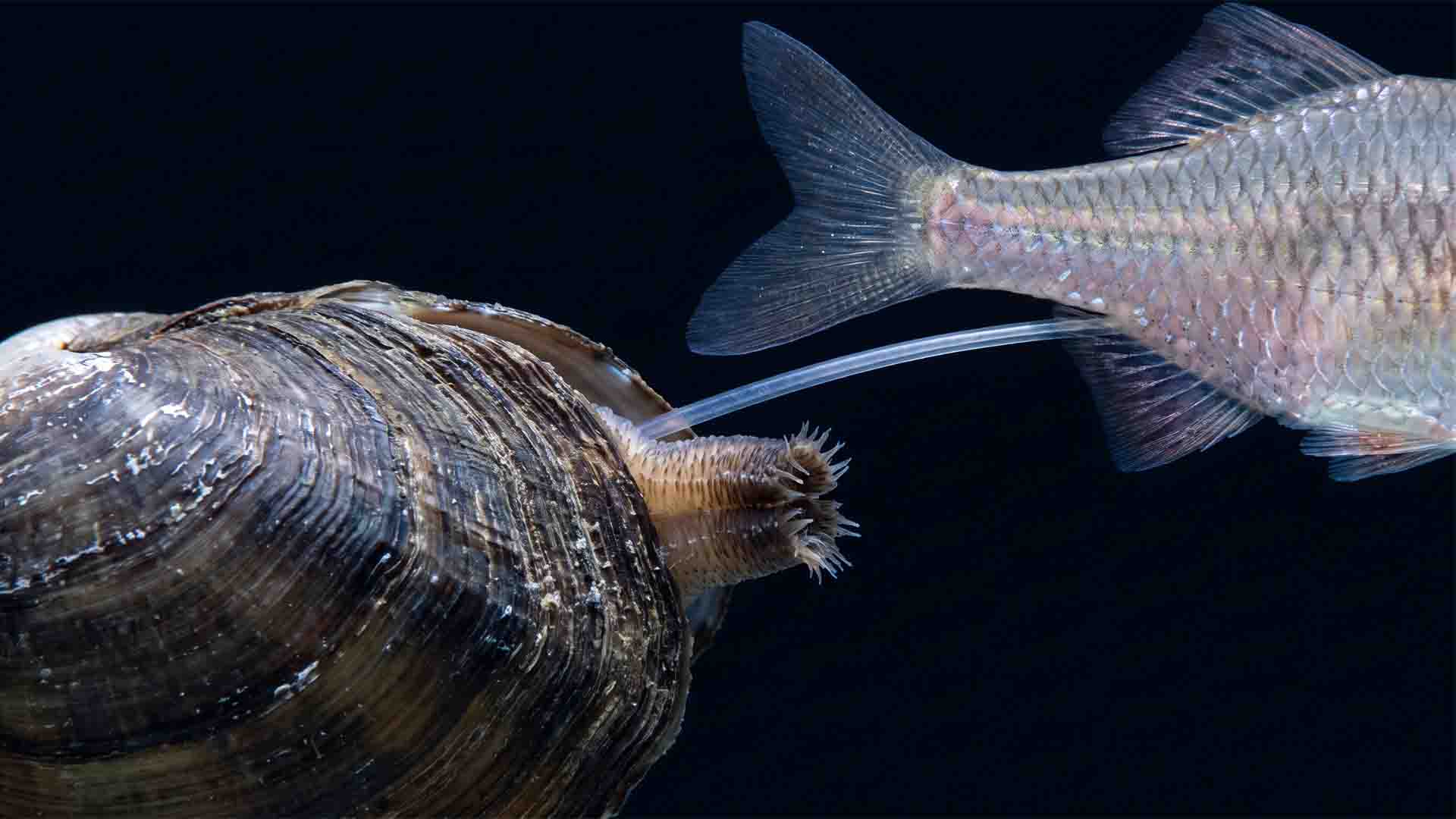
The European Bitterling (Rhodeus sericeus and its closely related taxon Rhodeus amarus) presents one of the most sophisticated biological threats in the entire freshwater trade. In the US, Bitterlings are popular in specialty coldwater tanks and outdoor pond setups due to their compact size, iridescent pastel hues, and fascinating breeding habits. In the UK, however, keeping or releasing Bitterlings without a specialized DEFRA site license violates the Import of Live Fish Act 1980 and the Wildlife and Countryside Act 1981, carrying heavy statutory fines and mandatory environmental containment orders.
The reason for the UK ban is not predatory aggression; it is obligate reproductive brood parasitism. Bitterlings cannot reproduce without living freshwater mussels belonging to the Unionidae family, specifically the Painter’s Mussel (Unio pictorum), the Swollen River Mussel (Unio tumidus), and the Swan Mussel (Anodonta cygnea). During the breeding cycle, the female Bitterling develops a long, flexible, cylindrical urogenital tube known as an ovipositor, which can extend several centimeters beyond her body. Spotting a feeding mussel, she darts forward and guides this ovipositor directly into the mussel’s exhalant siphon, depositing clusters of eggs onto the host’s delicate branchial gill lamellae.
Immediately following the female, the male Bitterling releases his milt over the mussel’s inhalant siphon. The host mussel siphons the sperm into its mantle cavity, inadvertently fertilizing the Bitterling eggs lodged inside its respiratory gills. The developing Bitterling embryos hatch and live inside the mussel’s gill chambers for up to a month, deriving continuous oxygenated water flow from the host. While amateur hobbyists romanticize this as a harmless symbiotic partnership, ecophysiological research paints a much darker picture.
When multiple Bitterlings parasitize a single native mussel, the sheer mass of developing fish embryos physically occludes the host’s branchial water channels. This mechanical blockage triggers acute respiratory hypoxia, reduces the mussel’s clearance and filter-feeding capacity by over 40%, and induces severe gill tissue necrosis. More critically, heavy Bitterling parasitism forces native Unionid mussels to abort their own reproductive larvae (glochidia), directly accelerating the nationwide collapse of already threatened British freshwater mussel populations.
Fish 2: Bowfin (Amia calva) – Prehistoric Air-Breather & Sub-Ice Apex Hunter
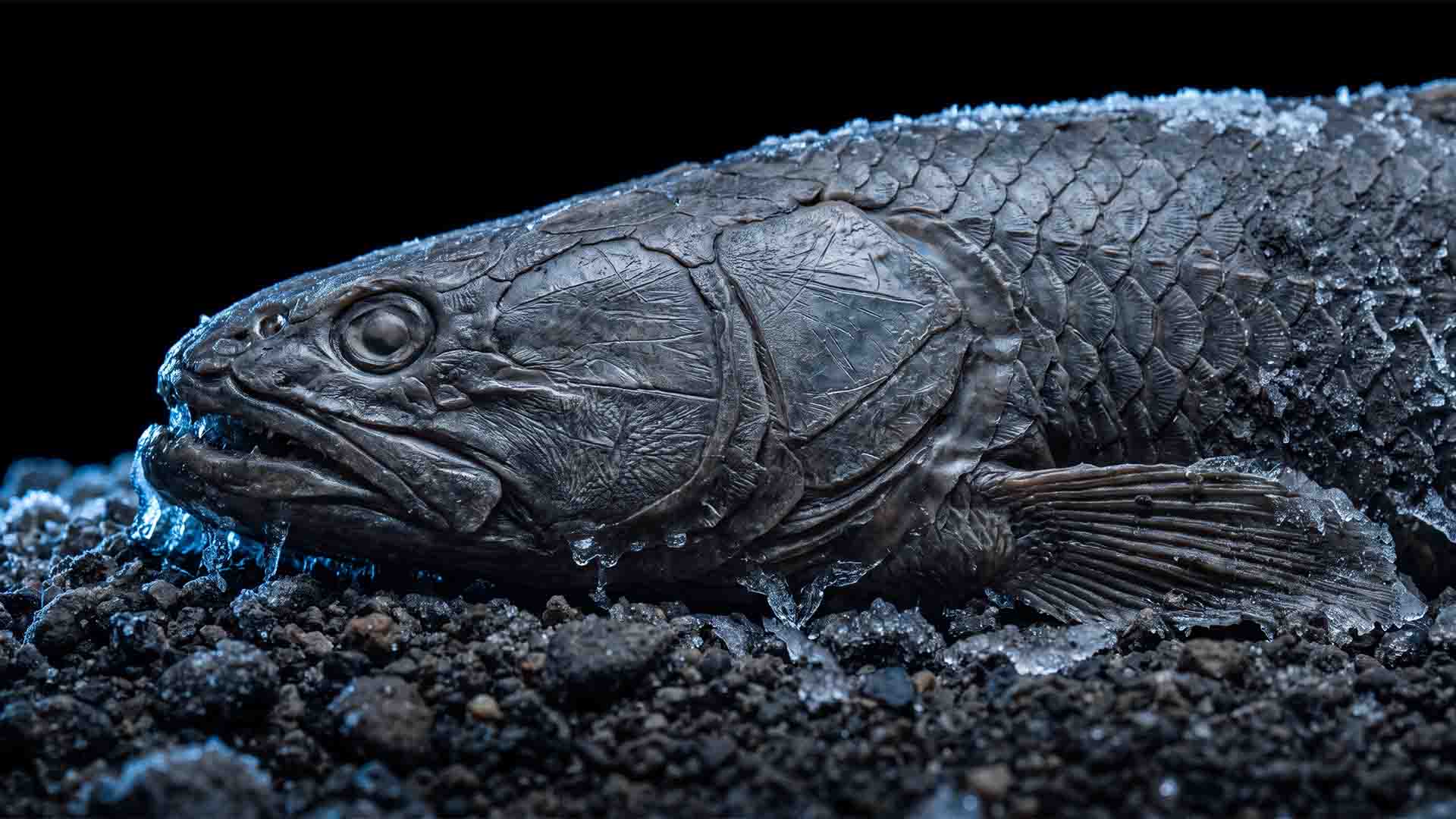
The Bowfin (Amia calva) is the sole surviving species of the ancient Halecomorphi order, an archaic lineage of predatory fish that shared freshwater swamps with late-Cretaceous dinosaurs. Known across the United States as the Mudfish, Grindle, or Dogfish, it is legal to purchase, transport, and keep across most of North America. American monster fish hobbyists value them for their primeval appearance, undulating dorsal fin, and savage predatory bite. In Great Britain, possessing a Bowfin is an automatic biosecurity violation under DEFRA’s prohibited species schedule.
The Bowfin is an ecological tank engine built to survive environmental conditions that exterminate modern teleost fish. Like gar and lungfish, Amia calva possesses a physostomous, heavily vascularized cellular swim bladder connected directly to its esophagus. This specialized swim bladder functions as a fully operational accessory lung. When dissolved oxygen levels in summer backwaters or frozen winter canals plunge to absolute zero (anoxia), the Bowfin swims to the surface, breaks atmospheric tension, and breathes air directly into its vascular lung.
Furthermore, the Bowfin’s thermal operating range extends from near-freezing 1°C all the way to 33°C (34°F to 91°F). During a brutal British winter, when native rivers drop to 2°C and ice sheets cap the surface, a released Bowfin does not suffer metabolic failure. It simply drops its heart rate, lowers its baseline metabolic demand, and continues operating as a coldwater apex predator. Armed with sharp, conical teeth embedded along its maxilla, premaxilla, palatine, and pterygoid bones, combined with a muscular oral bite force, an adult Bowfin easily amputates the fins and bodies of mature Brown Trout, Tench, and Pike.
Allowing an apex survivor with dual respiratory capabilities and sub-ice overwintering endurance to enter the fragile canal and fenland ecosystems of East Anglia or the Somerset Levels would permanently destabilize native food webs. If you are intrigued by prehistoric river monsters, buying unregulated wild specimens from online brokers is an enormous gamble. As we documented in our deep-dive analysis on the deadliest monster fish sold online, importing uninspected apex predators often ends in devastating veterinary disease and legal consequences.
Fish 1: Striped Eel Catfish (Plotosus lineatus) – Crinotoxin Biohazard & Estuary Raids
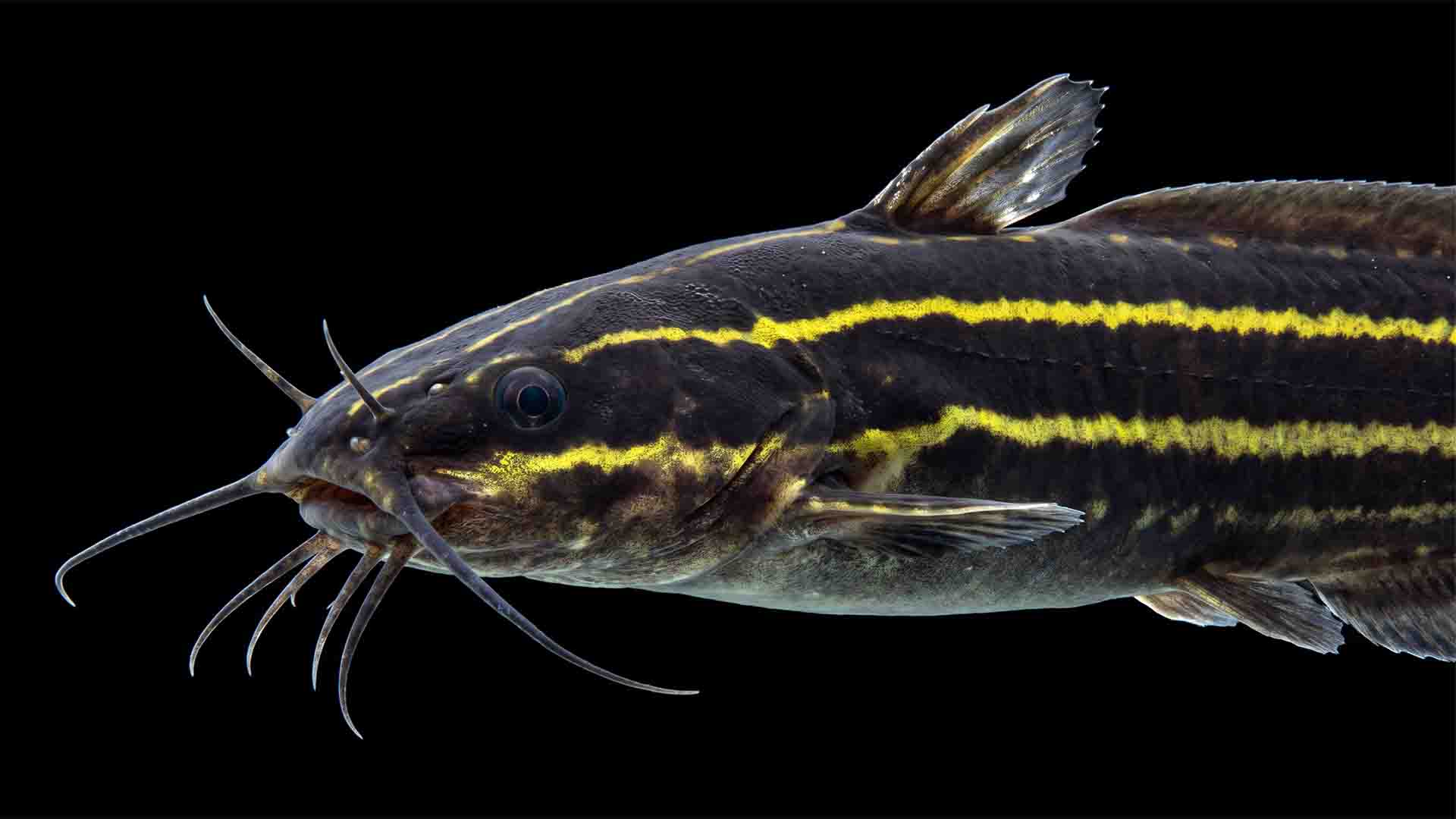
The Striped Eel Catfish (Plotosus lineatus) represents the only marine and brackish species on this banned list, and its legal status highlights how modern biosecurity addresses coastal and estuarine ecology. In the United States, juvenile Plotosus lineatus are routinely sold in marine and brackish aquarium shops. They are marketed as mesmerizing schooling oddities because dozens of two-inch juveniles cluster into a tight, undulating spherical mass known as a “catfish ball,” rolling across the sandbed like a single living organism. In the United Kingdom and across the European continent, Plotosus lineatus is subject to an outright ban on importation, commercial sale, breeding, and transport under Retained Regulation (EU) 1143/2014 on Invasive Alien Species.
The primary driver behind this aggressive biosecurity blacklisting is that Plotosus lineatus is a dual-threat biochemical weapon. First, its dorsal and pectoral fin rays are modified into rigid, razor-sharp serrated spines connected to holocrine venom glands. A puncture wound from a Striped Eel Catfish delivers a potent cocktail of hemolytic, dermonecrotic, and neurotoxic polypeptides that cause agonizing pain, localized tissue gangrene, respiratory distress, and, in severe cases involving humans, systemic shock and cardiac arrhythmia.
Second, and far more concerning from an ecological perspective, the epidermal club cells covering the body of Plotosus lineatus continuously synthesize and secrete crinotoxin—an ichthyotoxic, mucus-bound protein. This toxic epidermal slime sloughs off into the surrounding water column, repelling and poisoning native predatory fish that attempt to hunt them. When schools of Plotosus lineatus invade coastal lagoons, brackish river deltas, and warming estuaries—such as the Bristol Channel or the Thames Estuary—they operate with complete predatory immunity.
With extraordinary euryhaline tolerance allowing them to move effortlessly from hypersaline seawater into nearly fresh brackish waters, their rolling schools vacuum up bottom-dwelling polychaetes, juvenile commercially harvested crabs, and flatfish fry. The economic devastation to coastal fisheries, paired with severe medical hazards for commercial fishermen, recreational anglers, and bathers, makes this venomous catfish an active biosecurity biohazard.
Data-Driven Risk & Timeline Matrices
To cut through the bureaucratic jargon, we have consolidated the primary physiological and legal failure points of these ten prohibited species into two reference matrices below. The first maps their legal reality against their thermal thresholds, and the second reveals the delayed ecological collapse that occurs over a three-year period following an accidental release.
US Legal vs. UK Prohibited: Physiological Hazard Matrix
| Species (Scientific Name) | US Trade Status | UK Legal Prohibition | Critical Thermal Min. (°C) | Primary Ecological Destruction Vector |
|---|---|---|---|---|
| Dojo Loach (Misgurnus anguillicaudatus) | Legal in most states (Unrestricted) | Banned (ILFA / Wildlife & Countryside Act) | 2°C (35.6°F) | Enteric gut respiration; anoxic mud survival; benthic sediment erosion suffocating trout redds. |
| Pumpkinseed Sunfish (Lepomis gibbosus) | Common native / legal in home tanks | Invasive Alien Species Order (Permit only) | 1°C (33.8°F) | Territorial nest monopolization; systematic predation on native coarse fish and salmonid eggs. |
| Rosy Red Minnow (Pimephales promelas) | Unrestricted 25-cent commercial feeder | High-Risk ILFA Prohibition (DEFRA) | 0°C (32.0°F) | Primary latent host reservoir for Spring Viraemia of Carp (SVC) rhabdovirus; fishery wipeouts. |
| Chinese High-Fin Shark (Myxocyprinus asiaticus) | Widely sold as juvenile “cleaner” | Banned from unpermitted general trade | 4°C (39.2°F) | Reaches 4 feet (40 kg); massive benthic biomass consumption; displacement of native barbel. |
| Spotted / Longnose Gar (Lepisosteus spp.) | Legal across most American states | Prohibited live import & unpermitted keeping | 2°C (35.6°F) | Ganoid scale armor; vascularized swim bladder air-breathing; sub-ice ambush predation on trout. |
| Bullhead Catfish (Ameiurus spp.) | Common wild/pond fish; unrestricted | Strictly prohibited (Keeping & Intro Regs) | 1°C (33.8°F) | Sediment phosphorus mobilization; venomous pectoral spines choking native predatory pike and otters. |
| Rainbow Shiner (Notropis chrosomus) | Unrestricted commercial nano fish | Retained EU Invasive Alien Species List | 4°C (39.2°F) | Broadcast spawning saturation; competitive food displacement of native European minnows. |
| Bitterling Fish (Rhodeus sericeus) | Sold as coldwater/pond oddity | Import of Live Fish Act (ILFA 1980) | 2°C (35.6°F) | Obligate brood parasitism; ovipositor insertion suffocating native Unio and Anodonta mussels. |
| Bowfin (Amia calva) | Legal native predator & oddity pet | Prohibited live non-native import (DEFRA) | 1°C (33.8°F) | Accessory lung gas exchange; sub-zero winter brumation; severe apex predation on native game fish. |
| Striped Eel Catfish (Plotosus lineatus) | Widely available marine aquarium species | Retained EU Invasive Alien Species List | 8°C (46.4°F) | Neurotoxic serrated fin stings; epidermal crinotoxin mucus poisoning competing estuary fish. |
The 3-Year Post-Release Ecological Collapse Timeline
| Timeline Phase | Hobbyist / Domestic Action | In-River Biological Mechanism | Cumulative Ecological Debt |
|---|---|---|---|
| Year 1: The Initial Release (Spring to Summer) | An aquarist illegally empties an unheated tank or an overflowing outdoor pond into a local canal or tributary. | Specimens exploit vacant thermal niches. High food abundance allows rapid somatosensory acclimatization without competition. | Zero visible damage. Water remains clear. The hobbyist assumes the fish quietly died or integrated harmlessly. |
| Year 1: The Overwintering Barrier (November to February) | Freezing air temperatures lock the river surface in ice; water column drops to 2°C–4°C. | Tropical pathogens fail, but temperate non-natives activate cold-shock proteins, enter low-metabolic brumation, and survive. | The permanent biological bridge is crossed. The non-native population proves its physiological capacity to overwinter in Great Britain. |
| Year 2: Spawning & Pathogen Amplification (Spring to Autumn) | Rising spring photoperiod triggers mass breeding displays; cyprinid vectors shed viral loads. | Rosy Reds shed SVC virus into local fisheries; Bitterling parasitize Unionid mussels; Pumpkinseeds clear spawning shallows. | Commercial carp angling lakes suffer unexplainable mass die-offs; native juvenile salmonids experience high early-stage mortality. |
| Year 3: Structural Ecosystem Tipping Point (Full Colonization) | The public notices strange, colorful fish in local waterways; angling catches shift drastically. | Benthic bioturbation from Dojo Loaches and Bullheads destroys gravel beds; Bowfin and Gars dominate the apex predator niche. | Irreversible native species displacement. DEFRA declares the catchment an infected biosecurity zone, requiring multimillion-pound chemical culls. |
What to Avoid: 4 Retail & Maintenance Reflexes That Trigger Biosecurity Disasters
True environmental protection and successful closed-system fishkeeping depend on understanding what you must refrain from doing. The retail pet trade often conditions beginners to react to problems with impulsive, short-term solutions. To prevent systemic biosecurity breaches, eliminate these four dangerous practices immediately:
- Avoid the “Humane River Release” Delusion: When an aquarium fish outgrows its glass enclosure or turns unexpectedly aggressive, dumping it into a local river, canal, or retention pond feels like an act of mercy. In reality, it is an ecological crime. If the fish is tropical, it suffers an agonizing, prolonged death from hypothermic metabolic collapse. If it is temperate, you have just introduced an indestructible biological competitor that destabilizes native wildlife. Never release captive aquatic organisms into the wild under any circumstances.
- Avoid Unsealed Outdoor “Pond Overflow” Traps: Constructing patio ponds, wildlife tubs, and unheated summer tubs has become an enormous trend in the hobby. However, placing non-native, cold-tolerant species like Dojo Loaches or Rainbow Shiners into outdoor containers with open overflows is a major biosecurity loophole. A single torrential thunderstorm can cause water levels to spill over the rim, washing living fish and fertilized eggs straight into nearby storm drains that connect directly to regional river catchments.
- Avoid Using Uninspected Live Fish as Live Feeders: Purchasing mass-farmed cyprinids, such as Rosy Red Minnows or wild-caught ditch fish, to feed predatory aquarium inhabitants is the fastest way to transmit catastrophic, notifiable pathogens. These fish are bred in high-density outdoor commercial raceways with minimal veterinary oversight, acting as covert biological carriers for Spring Viraemia of Carp (SVC) and virulent Columnaris strains.
- Avoid Confusing Visual Hardiness with Ecological Suitability: Never assume that because a fish stays small or displays peaceful shoaling behavior in an aquarium, it is ecologically benign. Species like the Bitterling and Rainbow Shiner prove that tiny, colorful teleosts can inflict more catastrophic damage on native biodiversity than five-foot apex predators.
Do This Instead: The FTM Biosecurity & Species Containment Protocol
If you want to maintain exotic freshwater species safely and ethically without risking legal prosecution or ecological contamination, implement this four-step biosecurity framework across your fish room or outdoor systems:
- Step 1: Install Mechanical Escape Barriers on All Water Boundaries: If you keep cold-hardy or jumping species, your setup must be physically sealed. Use tight-fitting polycarbonate aquarium lids with zero clearance around filter cutouts. For outdoor patio setups, never rely on passive edge overflowing; plumb dedicated emergency overflow bulkheads screened with stainless steel wire mesh (under 1 mm aperture) to physically intercept fry, eggs, and adults during heavy rainfall.
- Step 2: Choose Biologically Contained, FTM-Approved Alternatives: You do not need to keep ecologically dangerous or prohibited species to enjoy dynamic colors and unique behaviors. If you want active, peaceful schooling dynamics in an unheated setup, select legal, non-invasive species like the White Cloud Mountain Minnow (Tanichthys albonubes) or Zebra Danio (Danio rerio). If you require efficient substrate management, replace high-risk loaches with non-destructive, captive-bred clean-up crews like Amano Shrimp (Caridina multidentata) or Corydoras catfish.
- Step 3: Sterilize All Waste Water and Filter Detritus: When conducting maintenance on systems containing high-risk or exotic organisms, never dispose of untreated aquarium water or plant trimmings directly into outdoor gutters or storm drains. Drain wastewater directly into your municipal sanitary sewer system, which passes through industrial wastewater treatment plants equipped with mechanical filtration, biological digestion, and chemical disinfection.
- Step 4: Establish a Formal Rehoming & Surrender Network: If an aquatic animal outgrows your facilities, your first action must be contacting your local independent aquatic retailer, regional fishkeeping society, or a specialized animal welfare organization. Most independent stores and clubs operate established rehoming networks that safely reallocate large or demanding specimens into permanent, secure private enclosures without risking an environmental escape.
Scientific Truths: Eurythermal Physiology, Viral Pathogenesis & Trophic Piracy
At FishTank Mastery, we never rely on pet store myths, casual forum speculation, or bureaucratic slogans. An aquatic ecosystem is a biochemical machine governed by thermodynamic laws, cellular kinetics, and evolutionary ecology. To understand why DEFRA treats these ten species as severe biosecurity hazards while ignoring tropical predators, you have to examine the peer-reviewed cellular mechanisms operating beneath their scales.
Truth 1: Enteric Respiration & Anaerobic Survival Kinetics in Misgurnus anguillicaudatus
The survival endurance of the Dojo Loach (Misgurnus anguillicaudatus) in anoxic waterways is driven by extreme morphological plasticity within its posterior gastrointestinal tract. Histological investigations reveal that when ambient water temperatures plunge and dissolved oxygen drops below critical survival thresholds, the loach undergoes reversible structural remodeling. The epithelial mucosa of the posterior intestine flattens, microvilli density decreases, and a dense network of intraepithelial capillaries migrates directly to the surface of the lumen. By gulping atmospheric air and venting deoxygenated bubbles analward, the loach bypasses branchial gill respiration entirely. Research on teleost intestinal respiration confirms that this enteric mechanism supplies more than fifty percent of the organism’s total resting oxygen demand during environmental hypoxia, enabling permanent overwintering in frozen, organic-rich river mud where native European fish suffocate. Explore the species physiological profile on FishBase.
Truth 2: Spring Viraemia of Carp (SVC) Rhabdovirus Pathogenesis & Latent Carrier States
The catastrophic risk posed by the Rosy Red Minnow (Pimephales promelas) stems from its role as an asymptomatic biological host for Sprivivirus cyprinus, the causative agent of Spring Viraemia of Carp (SVC). Virology studies demonstrate that this rhabdovirus exhibits strict temperature-dependent replication kinetics, with maximum viral transcription and cytopathic virulence occurring between 11°C and 17°C (52°F to 63°F)—the exact water temperatures characteristic of British spring warming. The virus targets endothelial cells lining capillary beds, hematopoietic tissue within the anterior kidney, and the spleen, causing vascular lysis, severe edema, and systemic organ failure. In commercial cyprinids like Common Carp (Cyprinus carpio), mortality exceeds seventy percent. Because adult Fathead Minnows often survive sub-lethal infections with low-level, undetectable viral titers, introducing uncertified stock into open systems serves as an invisible pathogen conduit that bypasses visual quarantine checks. Read the virological research on ScienceDirect.
Truth 3: Obligate Reproductive Brood Parasitism & Branchial Occlusion in Unionid Bivalves
The evolutionary strategy of the European Bitterling (Rhodeus sericeus) is not a harmless inter-species alliance; it is an aggressive, one-sided reproductive exploitation of native freshwater mussels (Unio and Anodonta). Ecophysiological evaluations of parasitized unionid bivalves reveal that a female Bitterling can insert over forty eggs into a single mussel’s demibranchs using her extended ovipositor. As the embryos hatch and develop within the host’s water tubes over a three-to-four-week incubation window, their growing physical mass causes extensive mechanical blockage of the mussel’s interlamellar junctions. This branchial occlusion drastically impairs ciliary water flow, slashing the host’s micro-algae clearance rates and inducing localized gill hypoxia. Under severe Bitterling infestations, host bivalves experience chronic cellular stress and prematurely abort their own reproductive larvae (glochidia), accelerating the biological collapse of native mussel populations already vulnerable to environmental decline. Read the malacological research on Oxford Academic.
Truth 4: Eurythermal Enzyme Homeostasis Across the Overwintering Barrier
The divergence between legal tropical oddities and illegal temperate fish is explained biochemically by the Q10 temperature coefficient and homeoviscous membrane adaptation. In stenothermal tropical teleosts, cold water triggers the rigidification of cellular phospholipid bilayers. Membrane-bound transport proteins, including sodium-potassium ATPase ion pumps, cease kinetic function, leading to systemic osmotic shock and death within forty-eight hours. Conversely, eurythermal temperate species like the Spotted Gar (Lepisosteus oculatus), Pumpkinseed (Lepomis gibbosus), and Rainbow Shiner (Notropis chrosomus) maintain enzymatic homeoviscous plasticity. They synthesize high proportions of polyunsaturated fatty acids into their cell membranes and express cold-tolerant isozymes that remain catalytically active near 0°C. This biochemical machinery allows them to feed, metabolize energy, and survive under solid ice sheets that destroy tropical physiology. Read the comparative teleost physiology study on Springer.
People Also Ask (PAA)
Why are Dojo Loaches banned in the UK but legal in the US?
Dojo Loaches are legal across most of the United States because they are native to or established in broad continental river basins, but they are strictly banned in the UK under the Import of Live Fish Act 1980 (ILFA). The United Kingdom possesses fragile chalk streams and temperate canals where water drops to 4°C in winter. The Dojo Loach can breathe atmospheric air through its gut, survive buried in frozen river mud, and aggressively uproot native vegetation while outcompeting native Stone Loaches and suffocating wild trout spawning beds.
Can tropical aquarium fish survive a British winter if dumped into a river?
No. Tropical aquarium species such as Piranhas, Oscars, Plecos, and Angelfish originate from equatorial regions where water temperatures rarely drop below 20°C (68°F). When exposed to a British winter with water temperatures between 2°C and 4°C, tropical teleosts suffer acute metabolic cold-lock, branchial pump failure, and systemic hypothermia, resulting in complete mortality within days. This is why DEFRA focuses biosecurity enforcement on cold-hardy, temperate species rather than tropical predators.
Why did the UK ban Rainbow Shiners if they are just peaceful community fish?
Rainbow Shiners (Notropis chrosomus) are banned under retained EU Invasive Alien Species legislation not because of aggression, but because of extreme cold tolerance and high reproductive output. Originating from northern Alabama and Tennessee, they thrive in water temperatures as low as 4°C. If introduced into British chalk streams or clear gravel riffles, their broadcast spawning behavior and massive shoaling densities directly displace native minnows (Phoxinus phoxinus) and consume critical insect larvae required by juvenile wild salmonids.
Are Alligator Gars actually legal in the UK while Spotted Gars are banned?
Historically, tropical and subtropical Alligator Gars (Atractosteus spatula) faced fewer live trade prohibitions in the UK than smaller temperate gars because they cannot survive prolonged British winter water temperatures below 6°C. Spotted Gars (Lepisosteus oculatus) and Longnose Gars (Lepisosteus osseus) originate from northern American and Canadian latitudes where waterways freeze solid. Because temperate gars can overwinter beneath surface ice and establish permanent wild apex predator populations, DEFRA strictly regulates their import and possession under licensing orders.
What happens if you get caught keeping illegal fish in the UK?
Keeping, breeding, selling, or releasing prohibited fish species in the UK without an official DEFRA or ILFA permit violates the Wildlife and Countryside Act 1981 and the Invasive Alien Species (Enforcement and Permitting) Order. Penalties include immediate wildlife confiscation by police and biosecurity officers, unlimited statutory court fines, and criminal prosecution resulting in a custodial prison sentence for serious or repeated commercial offenses.
How do cheap feeder minnows transmit Spring Viraemia of Carp (SVC)?
Rosy Red Minnows (Pimephales promelas) act as asymptomatic carrier hosts for the SVC rhabdovirus. While appearing healthy and energetic in retail holding tanks, these fish shed viral particles into the water through gill mucus and fecal waste. If introduced into outdoor systems or regional waterways, the virus spreads to Common Carp and coarse fish populations, attacking blood vessels and internal organs and triggering catastrophic commercial fishery mortality during spring warming cycles.
Frequently Asked Questions (FAQ)
What is the Import of Live Fish Act 1980 (ILFA), and who enforces it?
The Import of Live Fish Act 1980 (ILFA) is primary UK environmental legislation designed to prevent the introduction and spread of non-native fish species that could harm native aquatic ecosystems, coarse fisheries, or salmonid stocks. In England, it is actively enforced by the Fish Health Inspectorate (FHI), operating under the Centre for Environment, Fisheries and Aquaculture Science (Cefas) and DEFRA, alongside rural wildlife crime police units.
Can existing fishkeepers in the UK keep banned fish under a grandfather clause?
When a non-native species is added to DEFRA’s high-risk invasive alien species schedule, existing hobbyist owners are rarely granted open grandfather exemptions. While authorized public aquariums and accredited research zoological facilities can apply for strict biosecurity containment permits, private keepers must surrender prohibited livestock to certified wildlife surrender points or face mandatory seizure and fines. Releasing these animals into private outdoor ponds or public waterways remains strictly criminal.
Why are American Bullhead catfish more dangerous to British waters than native predators?
American Bullheads (Ameiurus melas and nebulosus) tolerate extreme hypoxia, survive brackish water fluctuations, and possess venomous, lockable pectoral spines that injure and choke native predators like Northern Pike and otters. Furthermore, their continuous excavation of muddy banks releases stored phosphorus into the water column, degrading water quality and accelerating harmful algae blooms while starving native benthic foragers out of their micro-habitats.
How does crinotoxin mucus make the Striped Eel Catfish an environmental biohazard?
Unlike standard venomous fish that rely solely on hypodermic spine stings for defense, the Striped Eel Catfish (Plotosus lineatus) continuously synthesizes crinotoxin across its epidermal club cells. This toxin disperses into the immediate water column as mucus sloughs off, creating a repellent chemical barrier that repels native marine and brackish predators. When thousands of these schooling catfish enter warming estuaries, they vacuum up juvenile crustaceans and benthic worms with near-total predatory immunity.
What is the safest way to humanely rehome an illegal or oversized aquarium fish?
Never flush, dump, or release captive aquatic specimens into ponds, canals, lakes, or outdoor drains. If you own an animal that is outgrowing your system or subject to regional legal reclassifications, contact an independent specialized aquatic retailer, a local fishkeeping association, or a certified animal rescue charity. Many organizations facilitate safe transfers into licensed, closed-loop private enclosures equipped with impenetrable biological containment barriers.
Build Your Aquarium Biosecurity & Containment Network
Mastering modern fishkeeping requires looking past retail sales labels and understanding how species biology intersects with global ecology and closed-system chemistry. If you enjoyed discovering why temperate species trigger emergency wildlife raids in Great Britain, you must explore our companion investigation into the illegal aquarium fish that trigger federal felony penalties in the United States. While British biosecurity battles cold-tolerant invaders, the US Lacey Act actively polices predatory walking giants like Northern Snakeheads and commercial walking catfishes across subtropical waterways.
The root cause behind most illegal purchases and accidental releases is misleading retail marketing. Commercial big-box pet stores routinely market juvenile river monsters as beginner-friendly community pets. Before buying your next aquatic resident, arm yourself with our field exposé on pet store lies that kill beginner fish tanks and review our complete breakdown of misleading freshwater fish pet store traps so you can identify high-biomass invaders before they reach your living room.
If your goal is to manage substrate cleanliness and nuisance algae without introducing high-risk loaches or invasive bottom feeders, you do not need prohibited species. Instead of introducing unpredictable benthic excavators, engineer a biologically contained janitorial squad by consulting our verified guide to the most underrated freshwater clean-up crew species. These legal, captive-bred invertebrate alternatives process detritus without destroying plant root architecture or destabilizing local river catchments.
Preventing an accidental containment breach starts with foundational tank engineering. Whether managing high-bioload predators that jump or securing outdoor setups against storm overflow, reviewing our checklist of common freshwater fish tank setup mistakes and avoiding destructive self-sustaining aquarium design errors ensures your aquatic ecosystem remains biologically safe, legally sound, and completely crash-proof.
Scientific References & Peer-Reviewed Literature Review
Every physiological threshold, environmental parameter, and legal biosecurity mechanism documented in this guide is grounded in peer-reviewed teleost biology, viral epidemiology, and government wildlife conservation frameworks:
1. Intestinal Gas Exchange and Mucosal Vascularization in Cobitidae: Research published on FishBase provides morphological and physiological records detailing the enteric respiration capacity, hypoxia tolerance, and thermal boundaries of Misgurnus anguillicaudatus. The data confirms that enteric gut gas exchange enables long-term survival in Palearctic anoxic mud environments.
2. Rhabdovirus Pathogenesis & Temperature-Dependent Kinetics of Spring Viraemia of Carp: A comprehensive virological treatise accessible on ScienceDirect documents the replication cycles of Sprivivirus cyprinus across temperature gradients. The clinical pathology proves that asymptomatic cyprinid hosts like Pimephales promelas shed high viral titers into water columns, causing catastrophic mortality in commercial carp fisheries during spring seasonal transitions.
3. Ecophysiological Impacts of Bitterling Brood Parasitism on Freshwater Bivalves: Investigations published in The Journal of Molluscan Studies (Oxford Academic) examine how Rhodeus oviposition physically blocks unionid gill lamellae. The study confirms that heavy fish embryo loads reduce mussel clearance rates by over forty percent and force host bivalves to abort their own reproductive glochidia larvae.
4. Homeoviscous Adaptation & Thermal Plasticity in Freshwater Teleosts: Comparative research published in Fish Physiology and Biochemistry (Springer) outlines the cellular mechanisms of cold tolerance in temperate fish. The data illustrates how eurythermal gars and sunfish synthesize polyunsaturated fatty acid membranes to maintain homeostatic enzymatic function beneath frozen water surfaces where tropical teleosts perish.
5. UK Wildlife Biosecurity & Non-Native Species Legislation: Official statutory criteria established under the Import of Live Fish Act 1980 and the Wildlife and Countryside Act 1981 outline the biological containment standards enforced by DEFRA and the Fish Health Inspectorate (Cefas) to protect indigenous British biodiversity from invasive teleosts.
Watch Next: Build Your Complete FishTank Mastery Authority Chain
Translating these written biological principles into visual, real-world aquarium mastery is the fastest way to avoid costly mistakes and legal complications. Continue your fishkeeping education by connecting this guide to our complete series of investigative video masterclasses from the FishTank Mastery library:
- 10 Illegal Aquarium Fish in the US (Some Are a FELONY): Uncover the American side of aquatic biosecurity law and see which walking predators and snakeheads trigger federal Lacey Act raids. Watch the full US investigation on YouTube.
- 7 Aquarium Fish That Should Be ILLEGAL to Own: A hard-hitting expose of the most destructive, oversized species sold to unsuspecting beginners in big-box retail stores. Watch the retail truth breakdown on YouTube.
- 10 Aquarium MONSTER Fish That DESTROY Tankmates: Discover how predatory territoriality and rapid growth turn peaceful community setups into stressful underwater battlegrounds. Watch the monster fish warning on YouTube.
- 10 Most DANGEROUS Aquarium Monster Fish: An unvarnished look at apex freshwater predators that possess dangerous venom, bone-crushing jaws, or extreme territorial aggression. Watch the apex predator guide on YouTube.
- Don’t Buy the DEADLIEST MONSTER Fish off the Web: Protect your wallet and your ecosystem from uninspected wild imports and illegal online livestock broker schemes. Watch the online predator breakdown on YouTube.
At FishTank Mastery, we treat aquariums as living, interconnected biological systems, not disposable decorative tabletop toys. By respecting thermal biology, viral pathways, and species-specific adaptations, you protect your local waterways and build an indoor underwater world that thrives predictably for years to come. Until next time, keep your tanks balanced, your biosecurity tight, and your curiosity flowing.